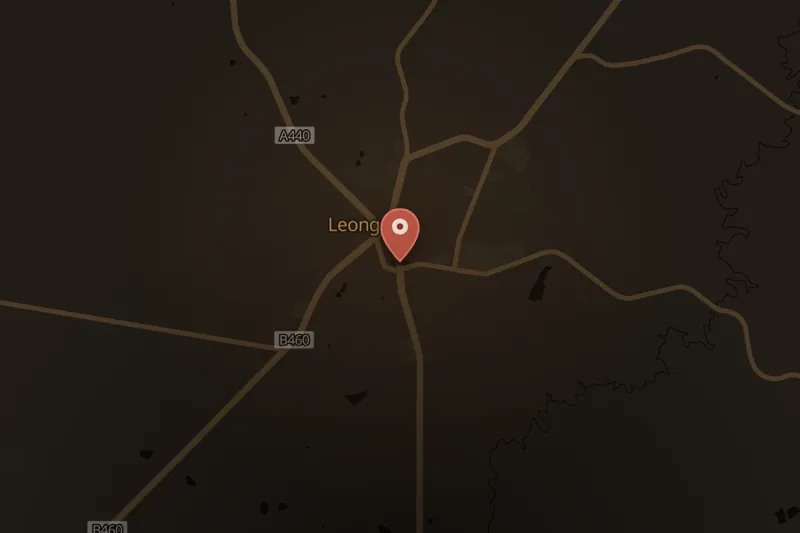
The Hospital Creek Massacre refers to the killing of a large number of Indigenous Australians in 1859 at Hospital Creek, located approximately 10 kilometres northeast of Brewarrina in rural New South Wales. Historical accounts of the event differ in their details, though all describe a mass killing carried out by white settlers in retaliation for perceived offenses by local Aboriginal people.
One account holds that a white stockman at Walcha Hut (the site later known as Brewarrina) abducted an Aboriginal woman. Members of the woman's tribe warned the stockman to release her, and when he refused, both the stockman and the woman were killed. In response, white settlers retaliated by shooting a large number of Aboriginal men, women and children. A separate version attributes leadership of the massacre to a person identified as J. McKenzie and states that around 300 Aboriginal people were killed in retaliation for having "annoyed" white settlers.
A further, more detailed account emerged in 1928, when The Sydney Mail published an article titled "Pioneers of the West: The Massacre at Hospital Creek," written by G. M. Smith. This version identifies Cornelius "Con" Bride, manager of the Quantambone cattle station, as the massacre's main organiser. According to this account, Bride claimed that a large group of Aboriginal people from the Culgoa River were spearing cattle near waterholes on the station. After failing to persuade the group to leave, Bride sought assistance from a neighbouring cattle station, which provided men and ammunition. Bride then led a force of 20 armed men — including at least six Aboriginal stockmen ("black boys") from the cattle station — to disperse the Culgoa River Aboriginal people. Bride stated that only "a dozen or so" were shot, though it is possible the actual toll was significantly higher.
Bride was quoted defending his actions, stating that some believed he should have faced trial, but that the government did not pursue action against settlers involved in such incidents, instead relying on individual settlers to exercise restraint. Bride's account also described Aboriginal men hiding in trees near waterholes and spearing cattle as they came to drink.
The name "Hospital Creek" is itself derived from the massacre, referencing the large number of Aboriginal people wounded and killed at the site. Differing versions of events — regarding the identity of the organiser, the precise circumstances, and the number of victims — mean that the full details of the massacre remain historically contested.


 Credit: Unknown authorPublic domainSourceCOLDListen