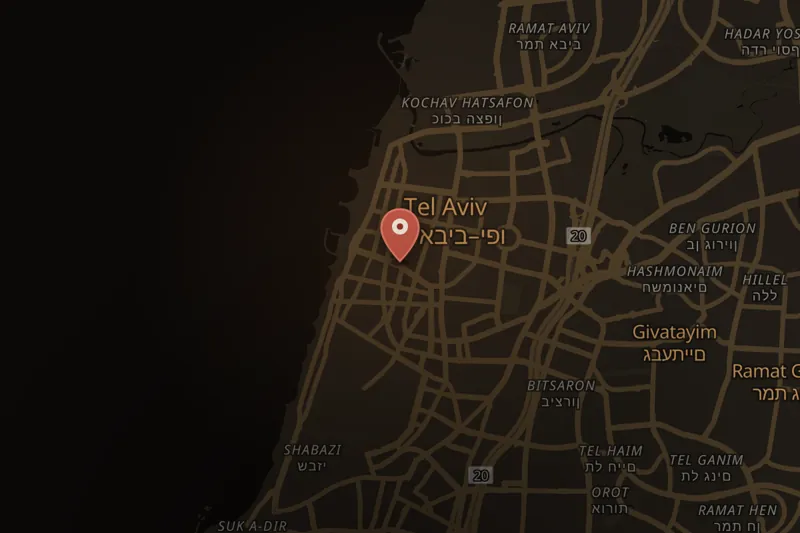
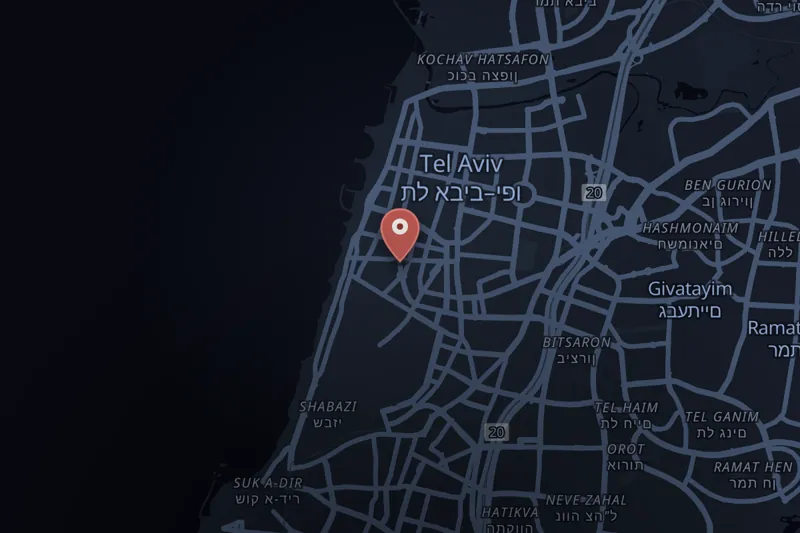
On 1 January 2016, a gunman opened fire on several businesses along Dizengoff Street in Tel Aviv, Israel, including a sushi restaurant, a café, and a bar called "Ha'Simta" ("The Alley"), which appeared to be the main target. The attacker, described as a young man wearing sunglasses and dressed in black, exited a grocery store and used what appeared to be a submachine gun to carry out the shooting. Two people were killed at the scene: Alon Bakal, the manager of Ha'Simta, and Shimon Ruimi, a 30-year-old resident of Ofakim. Seven other civilians were injured.
After the shooting, the gunman took a taxi near Rabin Square, approximately 750 meters from the attack site, and later shot and killed the driver, identified as Arab-Israeli Amin Shaaban. Shaaban's body was found near the Mandarin Hotel in north Tel Aviv.
Police identified the suspect as Nashat Melhem, a 31-year-old man from Ar'ara, an Arab town in the Wadi Ara area of northern Israel. He was identified after his father, who worked in security, recognized him from security footage and noted that his firearm, reportedly a Spectre M4, was missing. Melhem had a prior arrest in 2007 for attempting to steal a soldier's weapon using a screwdriver, an incident he said was motivated by revenge for his cousin's death. Relatives described him as having mental health issues and said he was not affiliated with any religious or political movement.
Following the attack, Israeli authorities launched a large-scale manhunt across the Tel Aviv area and later expanded the search to Arab towns in northern Israel, requesting assistance from the Palestinian Government regarding possible whereabouts in the West Bank. Melhem's father, along with five other family members and associates, was arrested on charges including premeditated manslaughter and conspiracy. On 8 January 2016, an IDF search dog located a scent trail leading to Melhem, who was subsequently killed by Yamam counter-terrorism operators following a shootout at a mosque in Ar'ara. He was buried in Ar'ara's cemetery on 12 January, with some attendees reportedly describing him as a martyr.
Additional individuals were later arrested and indicted on suspicion of helping Melhem evade police, including relatives Amin and Mohammed Melhem and an associate, Ayoub Rashid. According to Israel's Shin Bet security service, the attack was believed to have been inspired by ISIS, based on a hand-made flag left by Melhem during his escape and selfie videos recovered from his phone expressing hostility toward Christians, Jews, and Shia Muslims.


 SOLVEDListen