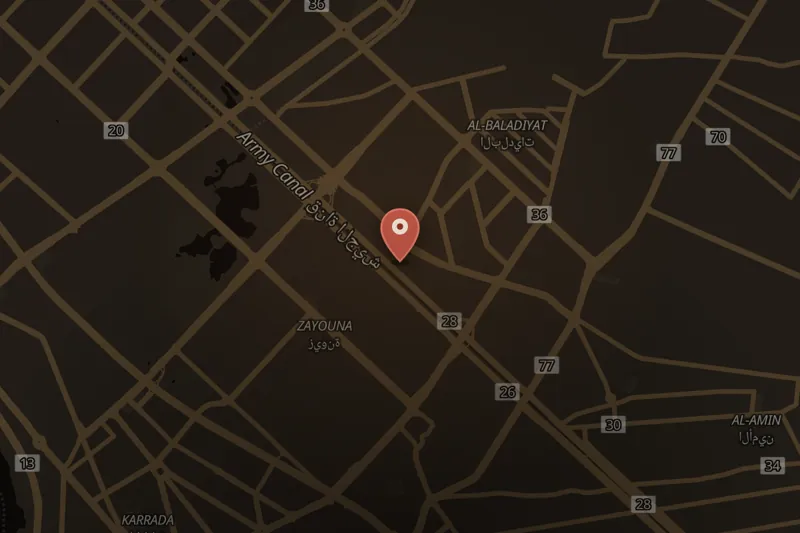
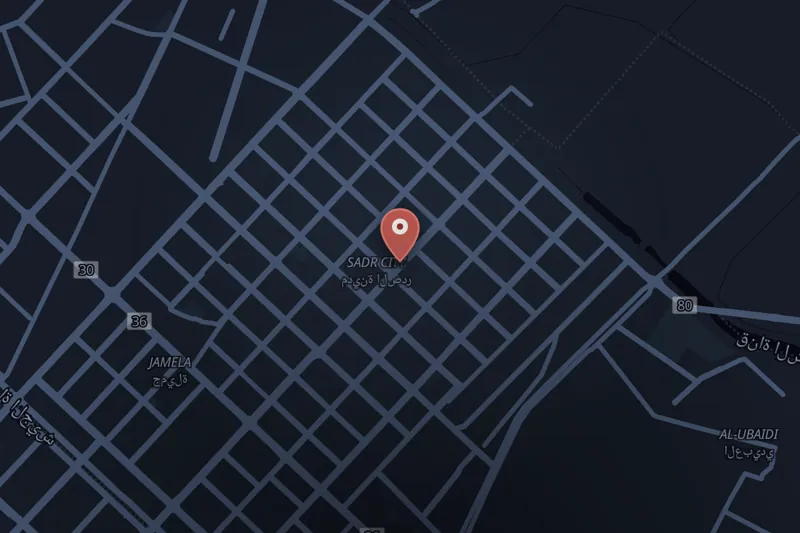
On 24 June 2009, a bombing occurred at the Muraidi Market in the Sadr City district of Baghdad, Iraq. At least 69 people were killed and 150 others were injured in the explosion, making it one of the deadliest single bombings in Baghdad that year.
Accounts of the exact method of the attack differ between news outlets. According to the BBC and CNN, an official said the explosion was caused by a bomb hidden underneath a motorised vegetable cart in the market. The New York Times reported that the Iraqi Interior Ministry attributed the blast to a bomb attached to a motorcycle. Shrapnel from the explosion reportedly injured people as far as 600 metres (660 yards) from the site of the blast.
In the aftermath, civilians attempted to assist the injured until security forces moved them back so that emergency services could access the market. Witnesses and relatives of the wounded held multiple parties responsible for the bombing, including the Iraqi Army, the Iraqi government, the American military, and Iraqi political parties. Politicians affiliated with Muqtada al-Sadr specifically accused the 11th Brigade of the Iraqi Army — the unit responsible for security in Sadr City — of involvement in the attack. These politicians further argued that the American military bore partial responsibility because it had brought the 11th Brigade into the neighborhood.
Ahmed al-Masoudi, a member of the Iraqi Parliament, publicly criticized the security failure, stating: "how come the Muraidi Market that is surrounded by blast walls and no vehicle or motorcycle can go inside but they allowed in this motorcycle?... The 11th Brigade is directly involved in these crimes, these murders."
The Muraidi Market bombing occurred amid a wider pattern of violence in Baghdad on the same day. In the Sunni community of Hay al Jihad in western Baghdad, one person was killed and ten were wounded when a bomb hidden in a plastic bag outside a coffee shop detonated. Separately, a roadside bomb in the Saadiya neighborhood of southwestern Baghdad wounded four people.
Politicians and witnesses accused a military brigade, the Iraqi government, and the American military; these remain allegations rather than adjudicated findings, and no named individual was accused.

 UNSOLVEDListen