Ahmad Abu Murkhiyeh (1996/1997–2022) was a Palestinian man from Hebron in the West Bank. According to Israeli LGBTQ organizations, he fled to Israel in 2020 after his family allegedly abused him for years; people who knew him told The Times of Israel that he had left after being caught with another man and facing threats, including being shot at by a relative. In spring 2021, he contacted Rita Petrenko of The Different House, an Israeli NGO assisting LGBTQ+ Palestinians, who helped him secure a temporary Israeli residency permit after authorities agreed he faced danger if returned to the West Bank.
While in Israel, Abu Murkhiyeh continued to report feeling unsafe, receiving threatening homophobic calls and being beaten on one occasion by a day laborer from the West Bank. He adopted the alias "Esso" and moved between LGBTQ shelters, sometimes sleeping on the street due to limited capacity. Restrictions on Palestinian asylum seekers initially barred him from legal employment; even after an Israeli law change in June 2022 permitted such work, he struggled to find steady employment. In August 2022, an Israeli advocate asked the UNHCR to expedite his resettlement request due to continued threats and delays, noting he had waited longer than other LGBTQ Palestinians for resettlement.
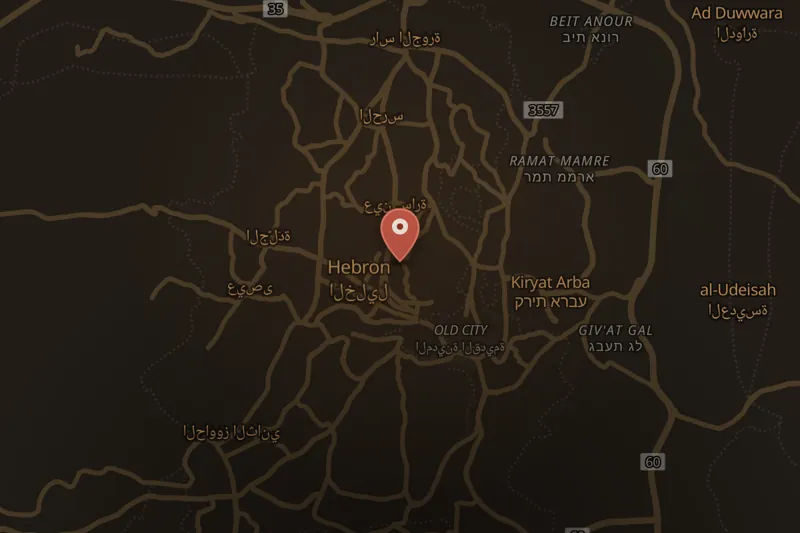
In early October 2022, Abu Murkhiyeh's head and torso were found near his family's house in Hebron; he had been beheaded. How he came to be in the West Bank is unknown, and some friends in Israel suspected he had been kidnapped. Palestinian prosecutors charged a longtime friend of his with premeditated murder. According to the indictment, witnesses saw the accused stabbing Abu Murkhiyeh in the neck and dragging his body; police, alerted by the accused's father, found the victim decapitated in a backyard, and the accused was arrested at the scene with blood on his hands and clothing. An autopsy found ten stab wounds to the neck and chest and determined decapitation occurred post-mortem.
The accused's family has claimed he suffered from schizophrenia triggered by prior drug use and has no memory of the crime; a psychiatric evaluation ordered by the court had not been submitted as of September 2024. Proceedings have been delayed by the 2023 Israel–Hamas war, including checkpoint restrictions, a bar association strike, and missed hearings. Separately, a traditional sulh (reconciliation) agreement was reached four days after the killing, under which the accused's family paid the victim's family 100,000 Jordanian dinars (approximately $141,000); a final reconciliation scheduled for January 2024 had not occurred as of September 2024.
Palestinian chief prosecutor Nashat Ayoush said investigators found no evidence linking the murder to Abu Murkhiyeh's sexual orientation and that the topic was not raised during police interrogations. However, Israeli and some Palestinian sources, including friends quoted by The Jerusalem Post and The Times of Israel, believed the killing was motivated by his sexual orientation. His family described the motive claims as rumor. The case prompted memorials in Tel Aviv, statements from Israeli LGBTQ organizations and officials, and broader discussion of LGBT rights in Palestine and the difficulties faced by LGBTQ Palestinian asylum seekers in Israel.

 SOLVEDListen



