Skip to content
Casepin

Cold case · 1920

Lynching of George Tompkins

COLD
Updated
Updated Jul 7, 2026
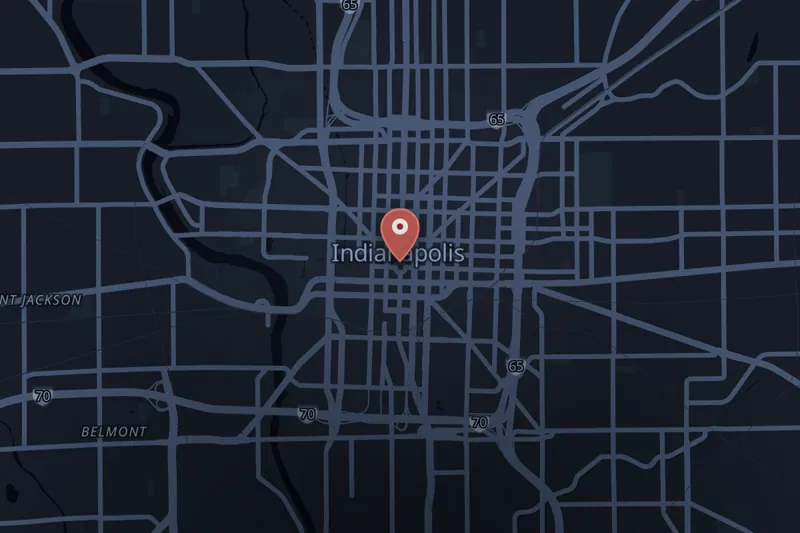
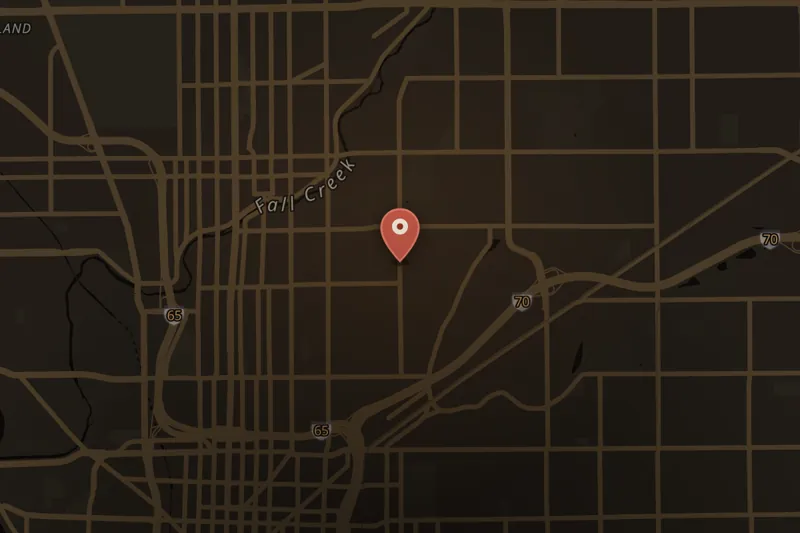
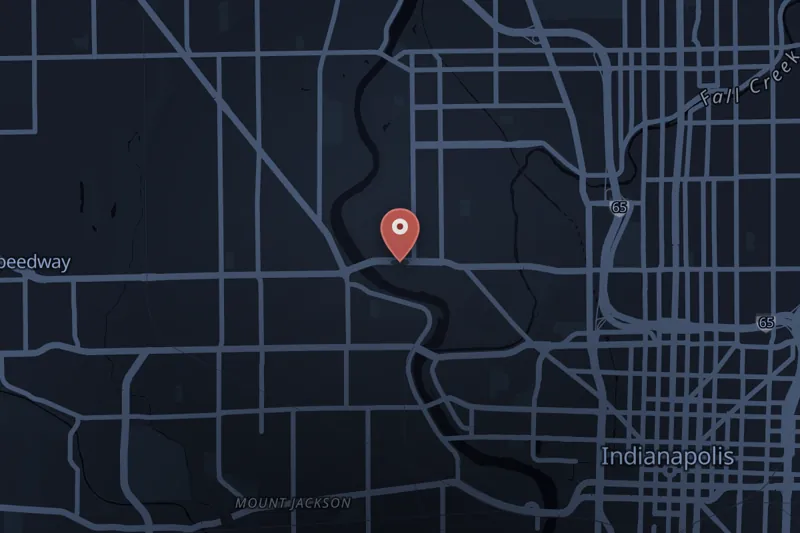
Riverside Park, Indianapolis, IndianaView on the map

The short answer

Lynching of George Tompkins in brief

George Tompkins, a young Black man who had migrated to Indianapolis from Kentucky, was found hanged and bound to a tree in Riverside Park in March 1922. Though initial police and press accounts described the death as a lynching, a deputy coroner ruled it a suicide, and no further investigation followed. In 2022, Marion County's coroner's office amended his death certificate to reflect homicide.

Key facts

Year
1920
Place
Riverside Park, Indianapolis, Indiana
Status
COLDCold
Victim
George Tompkins
Outcome
No conviction on file

The coverage index

Where to watch & listen

No one's coverage is attached to this file yet.

Know great coverage of this case?

A documentary, a podcast episode, a careful long-form video. Suggest it and an editor will review it before it appears here.

Suggest coverage for Lynching of George Tompkins

The case file

What happened

George Tompkins was born in 1902 and raised by his great-aunt and great-uncle, Fannie and Robert Smith, after being placed in their care as an infant. In 1920, he moved from Frankfort, Kentucky, to Indianapolis, where he and his family lived first on Colton Street and later on Holborn Street, both locations now part of the IUPUI campus. Tompkins worked at the Fairmount Glass Works.

On March 16, 1922, Tompkins was found dead in Riverside Park around noon. His body was bound to a tree by the neck with a length of rope, with his hands tied behind his back. Investigators noted dirt on his body suggesting he may have been dragged, and observed that four or five small limbs had been cut from the tree, apparently with a pen knife — a detail interpreted as evidence that those responsible for his death may have taken the limbs as souvenirs.

The Indianapolis Star's initial coverage described Tompkins as a lynching victim, and police investigators and the coroner were initially inclined to agree with that characterization. However, some detectives working the case suggested instead that Tompkins had died by suicide. Following an autopsy conducted on March 18, 1922, Deputy Coroner George R. Christian listed the cause of death as strangulation by hanging from the neck and officially ruled the death a suicide. No further investigation was undertaken by authorities at the time. Tompkins was buried at Floral Park Cemetery on the near west side of Indianapolis in a grave that remained unmarked for a century.

In 2022, the Indiana Remembrance Coalition, a group of Indianapolis community members working to address the city's history of lynching, took up Tompkins' case. On March 12, 2022, the coalition held a memorialization event during which Marion County Chief Deputy Coroner Alfie McGinty unveiled an updated death certificate listing Tompkins' manner of death as homicide rather than suicide. The event also included the dedication of a headstone at his previously unmarked grave.

On March 16, 2025, the Equal Justice Initiative unveiled a historical marker near the location in Riverside Park where Tompkins' body was found in 1922, further memorializing his death as a documented act of racial terror lynching.

This case remains formally closed as a homicide following the 2022 correction to the death certificate, though the identities of those responsible for Tompkins' death have not been established and no prosecution occurred.

6 dated entries · 1902–2025

Timeline

  1. George Tompkins is born.

  2. Tompkins migrates to Indianapolis from Frankfort, Kentucky.

  3. Tompkins is found dead in Riverside Park, bound to a tree by the neck with a rope and with his hands bound behind his back.

  4. An autopsy is conducted; Deputy Coroner George R. Christian rules the cause of death strangulation by hanging and classifies it as suicide.

  5. The Indiana Remembrance Coalition memorializes Tompkins; Marion County Chief Deputy Coroner Alfie McGinty unveils an amended death certificate listing the manner of death as homicide, and a headstone is dedicated at his previously unmarked grave.

  6. An Equal Justice Initiative marker about George Tompkins is unveiled near the site where his body was found in 1922.

1 named in this file

People

Victims first. Every legal label is set from public records and court outcomes, not from the prose.

  • George Tompkins

    VICTIM

    Found hanged and bound to a tree in Riverside Park, Indianapolis, in March 1922; his death was initially ruled a suicide by authorities and later reclassified as homicide in 2022.[3]

3 cited

Sources

Coverage is not a source: every fact in this file rests on the records below.

  • 1 Official / agency
  • 1 Press
  • 1 Encyclopedic
  1. Contemporaneous coverage — newspapers.library.in.gov

    Official / agencynewspapers.library.in.govAccessed Jul 7, 2026

  2. Lynching of George Tompkins

    EncyclopedicWikipediaAccessed Jul 7, 2026

Trust

Record history

First published
Jul 7, 2026
Corrections
None

Are you family of someone named in this file? Corrections and removal requests from victims’ families are prioritized.