
 ONGOINGListen
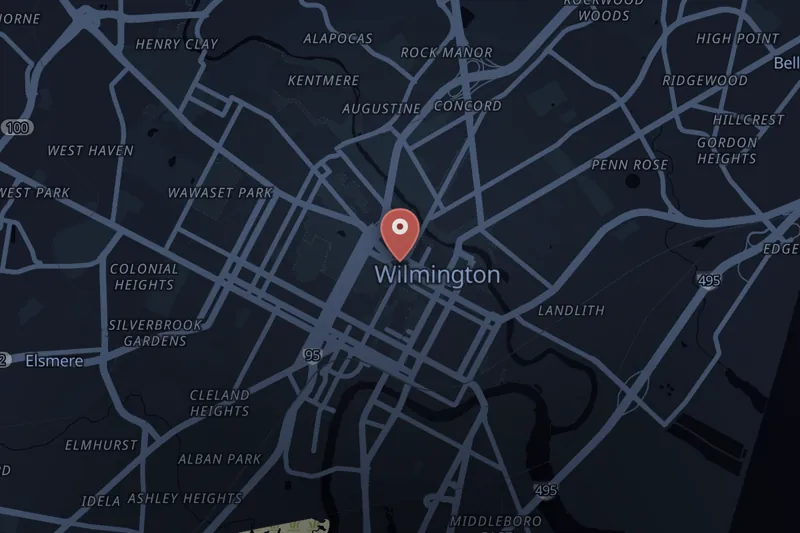
Brandywine River, Wilmington, Delaware · 2010s
Killing of Susan Ledyard
Teacher Susan Ledyard died from blunt-force trauma and drowning in Wilmington in 2019, and her homicide remains under investigation.
1 thing to watch or hear
Before you continue
This case involves sexual violence. Casepin presents the record in neutral, non-graphic language. Choose whether to continue.
Unsolved case · 1903
The short answer
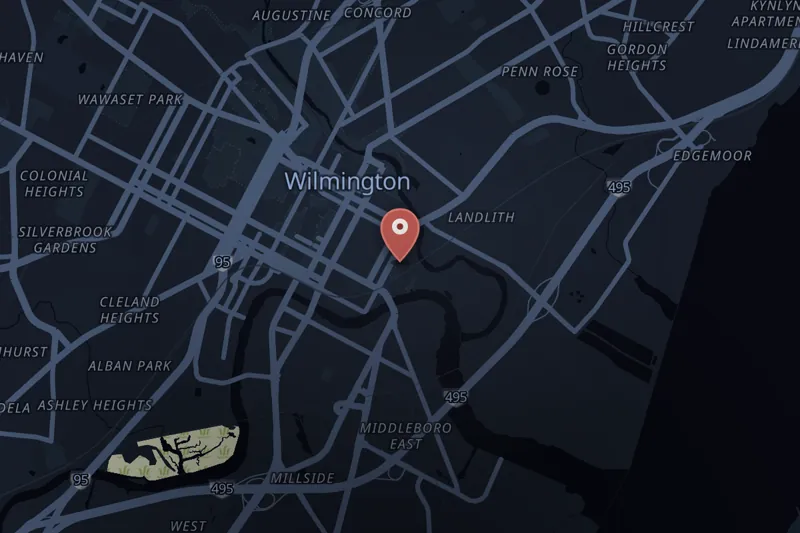
On June 22–23, 1903, a mob of several hundred white men in Wilmington, Delaware broke into a workhouse, seized George White—a Black farm laborer accused in the assault and death of Helen Bishop—and burned him to death at the site of the attack. It is often cited as the only documented lynching in Delaware.
The coverage index
No one's coverage is attached to this file yet.
Know great coverage of this case?
A documentary, a podcast episode, a careful long-form video. Suggest it and an editor will review it before it appears here.
Suggest coverage for Lynching of George WhiteThe case file
On June 15, 1903, 18-year-old Helen Bishop was assaulted while walking home from Wilmington High School and was found unconscious near Price's Corner, west of Wilmington. She died the following day without regaining consciousness. Soon afterward, George White, a 24-year-old Black laborer, was arrested in connection with the attack. He denied the charges, and the evidence against him was described as circumstantial, resting largely on witness descriptions of a man matching his general appearance seen near Bishop that morning.
In the days following the arrest, public anger grew. Hundreds attended Bishop's funeral, and on June 21, 1903, a crowd of about 3,000 gathered at Olivet Presbyterian Church to hear Reverend Robert Elwood pose the question "Should the Murderer of Miss Bishop Be Lynched?" Elwood urged swift action by officials and displayed leaves he said were stained with Bishop's blood, further inflaming the crowd.
On the evening of June 22, 1903, several hundred men and boys marched to the Wilmington workhouse where White was held. The mob overwhelmed the guards, causing an estimated $400 in damage and injuries, and forced White from his cell. He was taken to Price's Corner, the site of the attack on Bishop, where a crowd estimated between 4,000 and 5,000 people gathered to watch. Members of the mob tied White to a stake, surrounded him with straw, and set him on fire. White escaped the flames multiple times before a mob member cut off his foot and another struck him with a piece of fence, after which he died. Afterward, participants fired guns into the ashes and collected remains as souvenirs; his foot and skull were reportedly displayed in a store window. A note purportedly written by White and confessing to the crime was found at the scene, soaked in the same oil used to start the fire.
The lynching received extensive national press coverage, including editorials in the Chicago Tribune, Washington Post, and St. Louis Post-Dispatch, with reactions split between sympathy for White and sympathy for the mob. Local papers criticized the mob's violence while withholding participants' names. Helen Bishop's father publicly opposed the lynching. An unidentified mob leader on horseback, dubbed the "Avenging Cowboy," became a focal point of subsequent unrest when a man named Arthur Cornell was arrested on suspicion of being him; his detention triggered further crowd violence and attacks on Black residents before he was released on bail. No one is documented as having been convicted for the lynching.
In 2019, a historical marker commemorating George White was installed in Greenbank Park, stolen shortly after, and later replaced with a version partly funded by local residents.
7 dated entries · 1903–2019
Helen Bishop is assaulted near Price's Corner, west of Wilmington, Delaware, and found unconscious; she dies the next day without regaining consciousness.
A crowd of about 3,000 gathers at Olivet Presbyterian Church to hear Reverend Robert Elwood ask whether the accused should be lynched.
A mob of several hundred storms the Wilmington workhouse, seizes George White, and takes him to Price's Corner, where he is burned to death before a crowd of thousands.
The lynching of George White is completed and widely reported as occurring on this date.
The documentary 'In the Dead Fire's Ashes,' about the lynching, is produced by Stephen Labovsky.
A commemorative historic marker for George White is unveiled in Greenbank Park on the 116th anniversary of the lynching.
A replacement marker is unveiled after the original was stolen in early August 2019.
2 named in this file
Victims first. Every legal label is set from public records and court outcomes, not from the prose.
Black farm laborer lynched by a mob on June 22–23, 1903, after being accused of the assault and death of Helen Bishop; killed extrajudicially without trial or conviction.[3]
18-year-old Wilmington High School student assaulted on June 15, 1903, and died the following day; her death was the precipitating event for the mob's actions.[3]
3 cited
Coverage is not a source: every fact in this file rests on the records below.
Presssearch.worldcat.orgAccessed Jul 7, 2026
Presseji.orgAccessed Jul 7, 2026
EncyclopedicWikipediaAccessed Jul 7, 2026
Trust
Are you family of someone named in this file? Corrections and removal requests from victims’ families are prioritized.
Near this case
ONGOINGListenBrandywine River, Wilmington, Delaware · 2010s
Teacher Susan Ledyard died from blunt-force trauma and drowning in Wilmington in 2019, and her homicide remains under investigation.
 SOLVEDListen
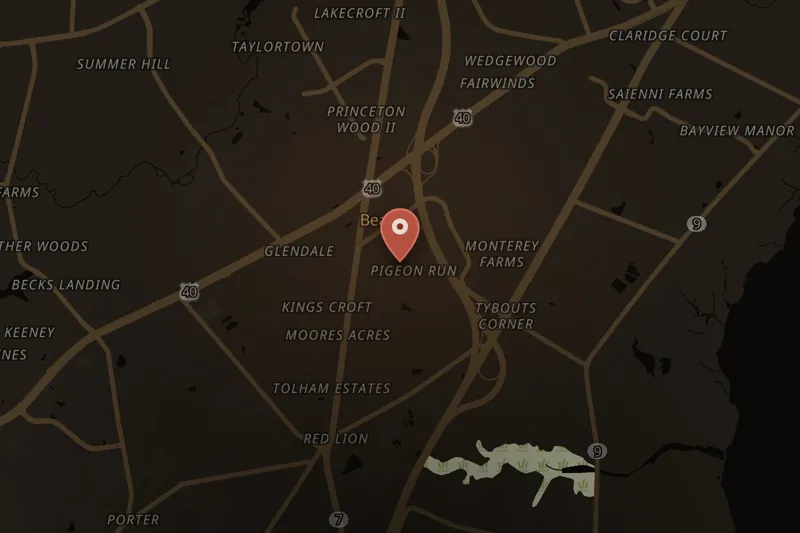
Wawa parking lot, Bear, Delaware · 2010s
Delaware State Police Corporal Stephen Ballard was shot and killed on April 26, 2017 after approaching a suspicious vehicle at a Wawa in Bear, Delaware. The shooter, Burgon Sealy Jr., was shot and killed by police the next day following a standoff at his home.
 SOLVEDListen
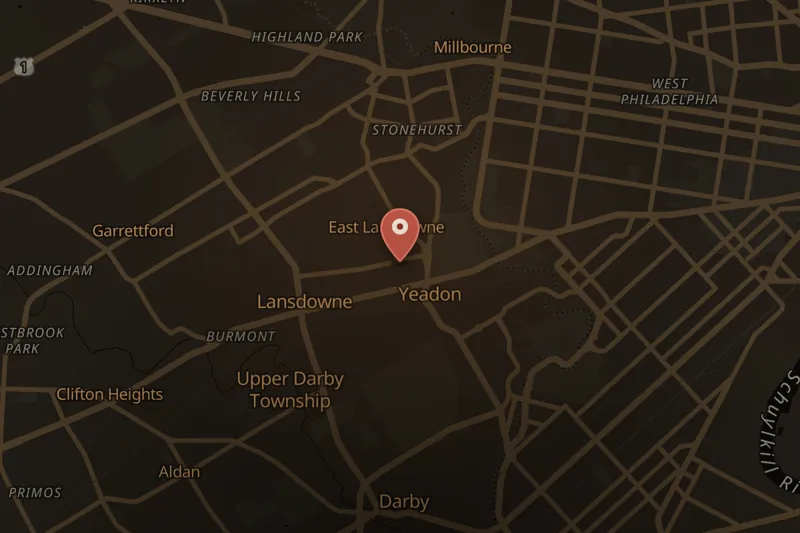
Lewis Avenue, East Lansdowne, Pennsylvania · 2020s
On February 7, 2024, a gunman shot two responding police officers and killed five members of his own family in East Lansdowne, Pennsylvania, before setting the house on fire and dying by suicide.
 Credit: terrell, mary church·Public domain·SourceSOLVEDListen
Walnut Street Bridge, Chattanooga, Tennessee · 1906
On March 19, 1906, Ed Johnson, a young Black man convicted of raping Nevada Taylor in Chattanooga, Tennessee, was seized from jail by a mob and lynched from the Walnut Street Bridge, hours after the U.S. Supreme Court had issued a stay of execution. The lynching led to United States v. Shipp, the only criminal trial ever conducted by the Supreme Court, and Johnson's conviction was posthumously vacated in 2000.
 Credit: PCN02WPS·CC BY-SA 4.0·SourceCOLDListen
Near Limon, Colorado, United States · 1900
In November 1900, 15-year-old Preston Porter Jr., a Black teenager, was abducted from a train by a mob near Limon, Colorado, and burned alive after being tortured into a forced confession to the murder of 11-year-old Louise Frost. No one was ever charged.
 Credit: HISTAM·CC BY-SA 4.0·SourceUNSOLVEDListen
North Fairbanks Park area, near the Wabash River drawbridge, Terre Haute, Indiana · 1901
On February 26, 1901, a mob of over 1,000 white residents of Vigo County, Indiana, dragged George Ward, a Black man, from a jail cell in Terre Haute, beat him fatally, hanged him from a bridge, and burned his body; no one was ever charged in his death.