
Unsolved case
Lynching of Henry Choate
In November 1927, 18-year-old Henry Choate was seized from the Maury County jail in Columbia, Tennessee, by a mob of hundreds, beaten, dragged through the streets, and hanged from the county courthouse after being accused of assaulting a white teenager who could not identify him. A grand jury declined to bring charges.
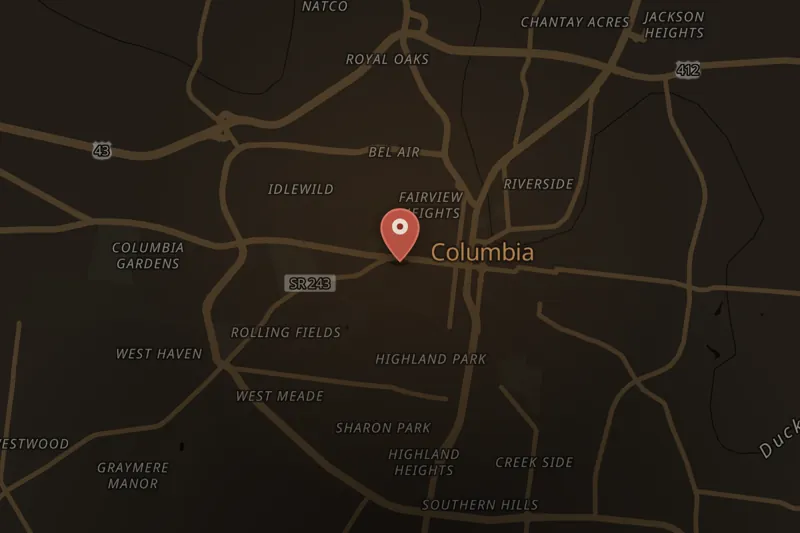
Henry Choate, an 18-year-old African-American man, was lynched by a mob in Columbia, Tennessee, on November 13, 1927. Choate had traveled to Columbia on Armistice Day to visit his grandfather, Henry Clay Harlan, an 85-year-old man who had been born into slavery and lived several miles west of the city. During Choate's visit, 16-year-old Sarah Harlan, a white girl unrelated to Choate's grandfather, said she had been attacked by a young Black man. Maury County Sheriff Sam Wiley brought in bloodhounds, and Choate was arrested and jailed, even though Sarah Harlan told authorities she could not identify him as her attacker.
According to the account, the sheriff's wife, Mrs. Wiley, was warned by the jail's cook, Ella Gant, that a mob intended to kill Choate. Gant reportedly brought Choate cigarettes and told him to pray. When the mob arrived, Mrs. Wiley initially hid the jail keys and refused to hand Choate over, but after men began breaking down the jail door with a hammer and threatened to use dynamite, she surrendered the keys. A mob estimated at roughly 250 men removed Choate from the jail; he was struck with a hammer, then tied to a truck and dragged through the streets of Columbia to the county courthouse, where he was hanged from the building's second story. The courthouse was still decorated for Armistice Day at the time. During the lynching, Sarah Harlan's mother pleaded with the mob to spare Choate's life and allow the matter to proceed to trial.
Two weeks after the killing, a Maury County grand jury declined to file charges against any participants. The grand jury acknowledged that the lynching constituted a criminal offense but stated that witnesses were unable to positively identify individual perpetrators. No one is known to have been charged or convicted in connection with Choate's death.
The case drew renewed public attention in 2023 after the Maury County Courthouse — the site of Choate's hanging — was used as the primary filming location for a country music video. Critics characterized both the song's lyrics and the choice of filming location as racially charged, and the video was subsequently pulled from a major music television network. Contemporaneous coverage of this renewed attention was published by The Washington Post.
Key facts
- Victims
- Henry Choate
- Date
- 1927
- Location
- Columbia, Tennessee
- Case status
- unsolved
Case timeline
1927-11-11
Henry Choate travels to Columbia, Tennessee, on Armistice Day to visit his grandfather; Sarah Harlan reports being attacked by a young Black man.
1927-11-13
A mob of roughly 250 men removes Choate from the Maury County jail, beats him, drags him through the streets behind a truck, and hangs him from the county courthouse.
1927-11
A Maury County grand jury declines to file charges, citing inability of witnesses to identify perpetrators.
2023-07
Renewed media coverage of Choate's lynching follows use of the Maury County Courthouse as a filming location for a country music video.
Best coverage
No coverage has been attached to this file yet.
People
Henry Choate
VICTIM18-year-old African-American man lynched by a mob in Columbia, Tennessee, on November 13, 1927.
Roles reflect public records and court outcomes at the time of writing — supporting citations are on file under Sources.
Places
Common questions
- What happened to the victim?
- In November 1927, 18-year-old Henry Choate was seized from the Maury County jail in Columbia, Tennessee, by a mob of hundreds, beaten, dragged through the streets, and hanged from the county courthouse after being accused of assaulting a white teenager who could not identify him. A grand jury declined to bring charges.
- Where did the crime happen?
- Columbia, Tennessee.
- What is the current status of the case?
- Status: unsolved. Last verified July 2026.
Related cases
View all cases
1995 Richland High School shooting
Richland High School, Lynnville, Tennessee

Lynching of Amos Miller
Williamson County Courthouse, Franklin, Tennessee
Lynching of Jim Taylor
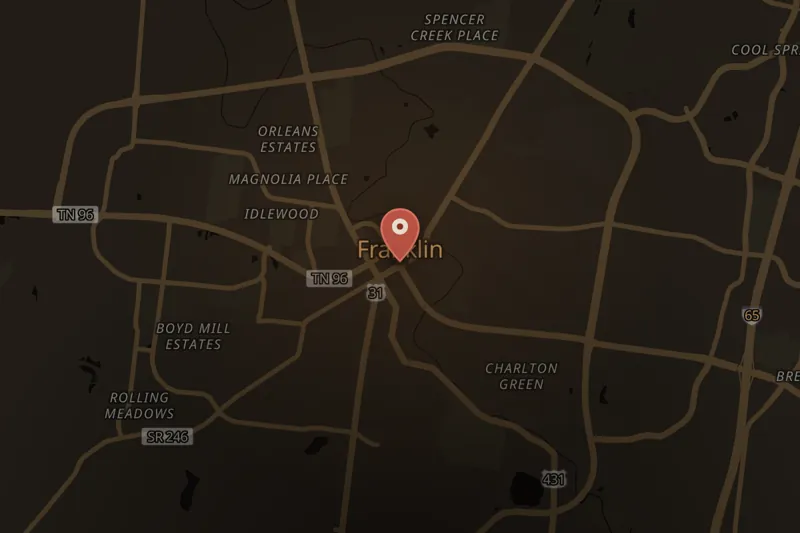
Franklin, Tennessee (bridge on Murfreesboro Road, near modern-day Pinkerton Park)

Rosewood Massacre
Rosewood, Levy County, Florida, United States

Duluth lynchings
1st Street and 2nd Avenue East, Duluth, Minnesota

Lynching of Norris Dendy
Clinton, South Carolina, United States
Sources
- ENCYCLOPEDICLynching of Henry ChoateWikipedia · 2026-07-07
- PRESSContemporaneous coverage — The Washington PostThe Washington Post · 2026-07-07
Record history
- First published
- JUL 07, 2026
- Last verified against sources
- JUL 07, 2026
When a file you follow changes — a new development, a correction, fresh coverage — the Dispatch is how you hear about it.
The Casepin Dispatch
A calm weekly briefing from the archive — one case worth understanding, meaningful updates to files you follow, and the best new coverage. You’ll also get the one-time note when the apps land. No gore, no rumor, no drip.