Skip to content
Casepin

Unsolved case · 1919

Lynching of Jay Lynch

Also known as murder of Jay Lynch · killing of Jay Lynch

UNSOLVEDCONVICTED
Updated
Updated Jul 7, 2026
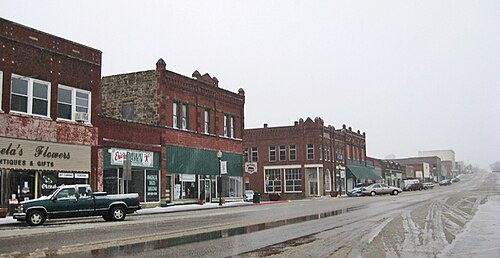
File:Lynching of Jay Lynch for the killing of Sheriff Harlow and Walter Harlow 1919.jpgFile:Lynching of Jay Lynch for the killing of Sheriff Harlow and Walter Harlow 1919.jpgCredit: James MountPublic domainSource

The short answer

Lynching of Jay Lynch in brief

On May 28, 1919, a mob dragged convicted murderer Jay Lynch, 28, from a Lamar, Missouri courthouse office and hanged him after he had pleaded guilty to killing Barton County Sheriff John Marion Harlow Jr. and his son Dick Harlow. The lynching helped spur Missouri to reinstate the death penalty.

Key facts

Year
1919
Place
Lamar, Missouri, United States
Status
UNSOLVEDUnsolved
Victim
Jay Lynch
Outcome
Convicted: Jay Lynch

The coverage index

Where to watch & listen

No one's coverage is attached to this file yet.

Know great coverage of this case?

A documentary, a podcast episode, a careful long-form video. Suggest it and an editor will review it before it appears here.

Suggest coverage for Lynching of Jay Lynch

The case file

What happened

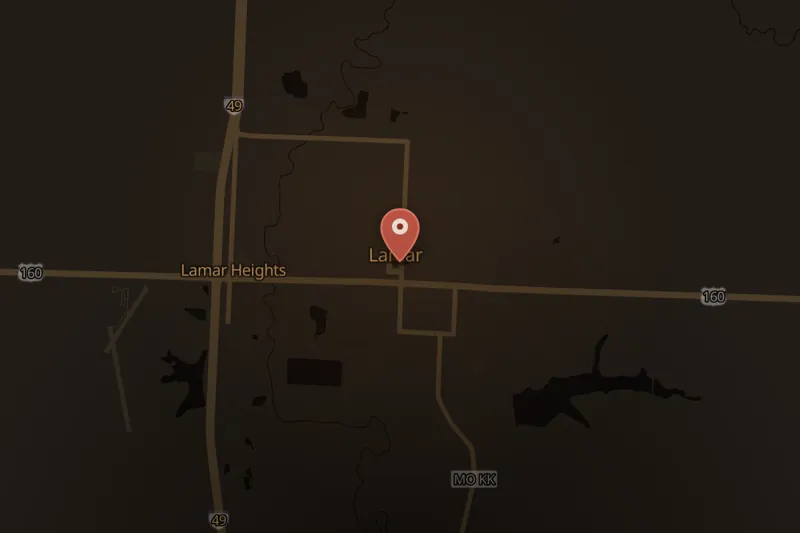
Jay Lynch, 28, was lynched in Lamar, Missouri, on May 28, 1919, months after he pleaded guilty to murdering a sheriff and the sheriff's son. 1919 saw 83 lynchings across the United States, and this was one of only four in which the victim was a white man.

Lynch had a lengthy criminal record involving burglary and robbery, including an alleged car theft in Oklahoma City and the alleged theft of women's silks worth $300 in Kansas City. He was repeatedly jailed and had escaped from prison several times over roughly a decade. In 1918 he was hired as a private detective for the Wabash Railroad in St. Louis, but was arrested for robbing a train while working in that role. After skipping bail on that charge, he was later arrested near his sister's home close to Lamar.

On March 3, 1919, while held in the Lamar jail in connection with the Wabash Railroad boxcar robbery, Lynch asked to use the jailhouse telephone. When Sheriff John Marion Harlow Jr. of Barton County opened his cell, Lynch fatally shot him with a gun he had smuggled into the jail. The sheriff's son, Dick Harlow, ran to help his father and was also mortally wounded, dying a few days later. Lynch fled the state, was refused entry into Mexico, and was arrested in La Junta, Colorado, on May 13, 1919, before being returned to Missouri. He pleaded guilty to murder and was sentenced to life in prison.

Fearing violence from a packed courthouse crowd after the sentencing, presiding judge B. G. Thurman had Lynch taken to his private office so the prisoner could say goodbye to his family, who were present along with several armed deputies. While Lynch held his baby, a group of 24 people forced their way into the office, overpowered the guards, put a noose around Lynch's neck, and dragged him from the courthouse. The rope broke on an initial tree branch under his weight; a sturdier branch was then used, and Lynch was hanged before a cheering crowd.

The coroner's report attributed Lynch's death to "parties unknown." Prosecuting attorney H. W. Timmonds and Sheriff W. A. Sewell of Barton County opened an investigation, but no charges were filed because no witnesses would identify the participants.

Missouri had abolished capital punishment in 1917. Largely in response to the Lynch lynching, along with an impassioned legislative speech by Barton County representative H. C. Chancellor, the state legislature restored the death penalty for seven offenses — treason, perjury, subornation of perjury, first-degree murder, rape, kidnapping, and train robbery. Governor Frederick D. Gardner signed the measure into law.

5 dated entries · 1918–1919

Timeline

  1. Jay Lynch was hired as a private detective for the Wabash Railroad in St. Louis; he was later arrested for robbing a train while in that role and skipped bail.

  2. While held in the Lamar, Missouri jail on a boxcar robbery charge, Lynch shot and killed Sheriff John Marion Harlow Jr.; the sheriff's son, Dick Harlow, was also mortally wounded intervening and died days later.

  3. Lynch, who had fled the state and been denied entry to Mexico, was arrested in La Junta, Colorado, and returned to Missouri.

  4. After pleading guilty to murder and receiving a life sentence, Lynch was seized from a courthouse office in Lamar, Missouri, by a mob of 24 people and lynched.

  5. The New York Times reported the mob's entry into the courthouse and the hanging of the life-sentenced convict.

2 named in this file

People

Victims first. Every legal label is set from public records and court outcomes, not from the prose.

  • Jay Lynch

    VICTIM

    Victim of lynching on May 28, 1919, after pleading guilty to the murders of Sheriff John Marion Harlow Jr. and Dick Harlow; no charges were ever filed against his killers.[3]

  • Jay Lynch

    CONVICTED

    Pleaded guilty to the murder of Sheriff John Marion Harlow Jr. and his son Dick Harlow and was sentenced to life in prison before being lynched.[3]

From the record

Quick answers

Who was convicted?
Jay Lynch: Pleaded guilty to the murder of Sheriff John Marion Harlow Jr. and his son Dick Harlow and was sentenced to life in prison before being lynched.

3 cited

Sources

Coverage is not a source: every fact in this file rests on the records below.

  • 1 Official / agency
  • 1 Press
  • 1 Encyclopedic
  1. Contemporaneous newspaper coverage of the Jay Lynch lynching (May 30, 1919)

    Official / agencychroniclingamerica.loc.govAccessed Jul 7, 2026

  2. Lynching of Jay Lynch

    EncyclopedicWikipediaAccessed Jul 7, 2026

Trust

Record history

First published
Jul 7, 2026
Last verified against sources
Jul 7, 2026
Corrections
None

Are you family of someone named in this file? Corrections and removal requests from victims’ families are prioritized.