
Unsolved case
Lynching of Jesse Thornton
Jesse Thornton, a 26-year-old Black man, was lynched in Luverne, Alabama, on June 21–22, 1940, after allegedly failing to address a white police officer as "Mister." No one was ever prosecuted for his killing.

Jesse Thornton was a 26-year-old African-American man living in Luverne, Alabama, when he was lynched in June 1940. According to accounts documented by the Equal Justice Initiative, Thornton was killed after allegedly violating the racial etiquette of the Jim Crow South by referring to a white police officer without using the honorific "Mister."
Sources differ slightly on the exact date, with one account citing June 22, 1940, and another, drawing on the account "Legacy of Lynching," placing the killing on June 21, 1940. According to that account, a police officer named Rhodes overheard Thornton mention his name without adding "Mr." Rhodes arrested Thornton, and while he was being taken to jail, held by another officer named Nolan Ellis, a mob formed and began throwing stones at him. Thornton managed to break free and attempted to escape, but the mob pursued him, shot him, and killed him. Thornton's body was later thrown into the Patsaliga River.
The mob did not stop with Thornton's killing. They went to his home and abused his wife, Nellie May. They later returned, abducted her, and threatened to kill her if she spoke to anyone about what had happened.
The Equal Justice Initiative documented that the white man Thornton had offended by breaching Jim Crow racial etiquette was a police officer. The local chapter of the NAACP investigated the killing and, with the assistance of civil rights attorney Thurgood Marshall, compiled and submitted a report to the United States Department of Justice. Despite this investigation and report, no prosecution resulted from the case, and Thornton's killers were never held legally accountable.
This case is one of many documented incidents of lynching in the American South during the Jim Crow era, in which Black individuals were extrajudicially killed, often for perceived violations of the strict racial hierarchy enforced through custom, intimidation, and violence rather than law. The lack of any prosecution in Thornton's case reflects a broader pattern documented by organizations such as the Equal Justice Initiative regarding the impunity afforded to perpetrators of racial terror lynchings during this period.
The exact date of Thornton's death — June 21 or June 22, 1940 — remains a minor point of discrepancy between sourced accounts, but the core facts of his killing, the mob violence against his wife, and the subsequent lack of prosecution are consistently documented.
Key facts
- Victims
- Jesse Thornton, Nellie May
- Date
- 1940
- Location
- Luverne, Alabama, United States
- Case status
- unsolved
Case timeline
1940-06-21
According to the account 'Legacy of Lynching,' a mob pursued, stoned, and shot Jesse Thornton to death after his arrest by a police officer; the mob subsequently abused and threatened his wife, Nellie May.
1940-06-22
Jesse Thornton was lynched in Luverne, Alabama, according to Wikipedia's dating of the event; his body was thrown into the Patsaliga River.
Best coverage
No coverage has been attached to this file yet.
People
Jesse Thornton
VICTIM26-year-old African-American man lynched by a mob in Luverne, Alabama, in June 1940 after allegedly not addressing a white police officer as "Mister"; shot to death and his body thrown into the Patsaliga River.
Nellie May
VICTIMWife of Jesse Thornton; abused by the mob after her husband's killing, later abducted and threatened with death if she reported what had happened.
Roles reflect public records and court outcomes at the time of writing — supporting citations are on file under Sources.
Places
Common questions
- What happened to the victim?
- Jesse Thornton, a 26-year-old Black man, was lynched in Luverne, Alabama, on June 21–22, 1940, after allegedly failing to address a white police officer as "Mister." No one was ever prosecuted for his killing.
- Where did the crime happen?
- Luverne, Alabama, United States.
- What is the current status of the case?
- Status: unsolved.
Related cases
View all cases
Lynching of Willie Temple
Hale Infirmary, Montgomery, Alabama
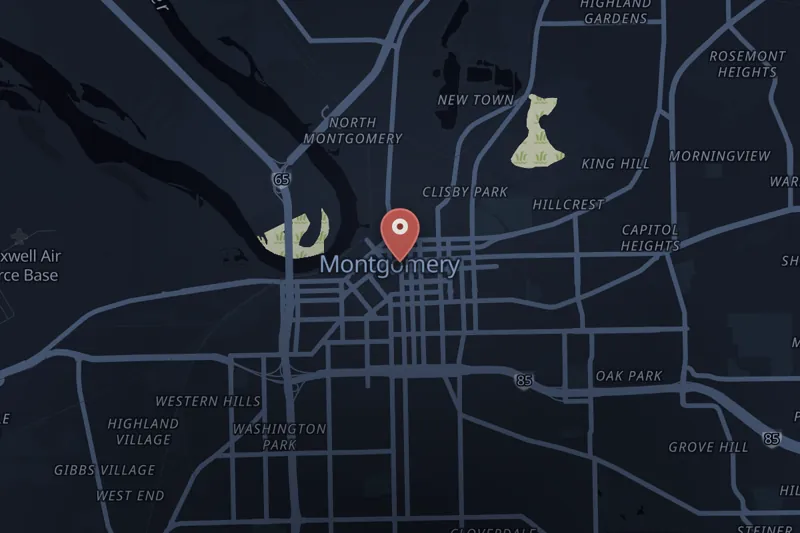
1919 lynching in Montgomery, Alabama
Rural area approximately 5 miles outside Montgomery, Alabama
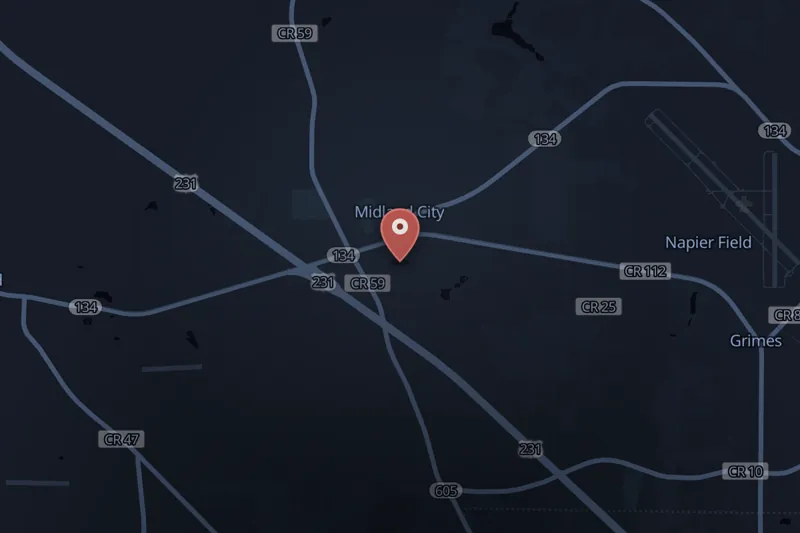
2013 Alabama bunker hostage crisis
Midland City, Alabama, near U.S. Highway 231

Killing of George W. and Mae Murray Dorsey and Roger and Dorothy Malcom (Moore's Ford lynchings)
Near Moore's Ford Bridge, between Monroe and Watkinsville, Walton/Oconee County

Lynching of Cleo Wright
Sikeston, Missouri, United States
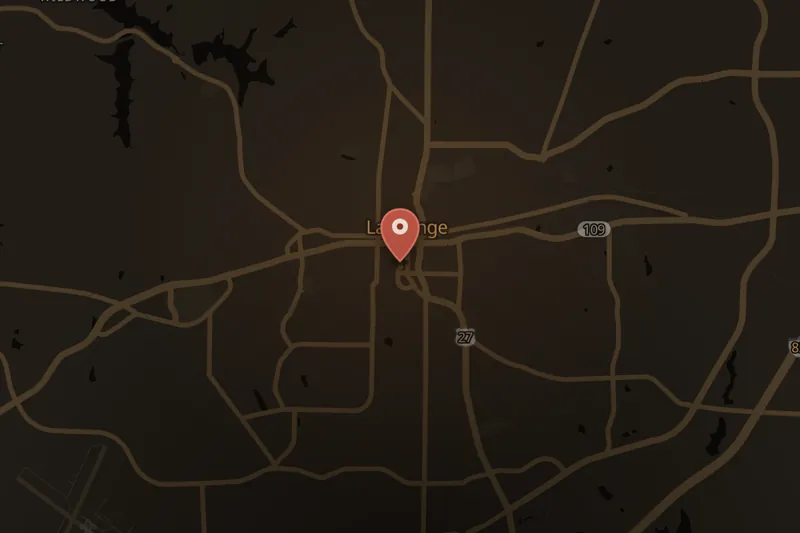
Lynching of Austin Callaway
LaGrange, Troup County, Georgia, USA
Sources
- ENCYCLOPEDICLynching of Jesse ThorntonWikipedia · 2026-07-10
- PRESSContemporaneous coverage — nationalhumanitiescenter.orgnationalhumanitiescenter.org · 2026-07-10
When a file you follow changes — a new development, a correction, fresh coverage — the Dispatch is how you hear about it.
The Casepin Dispatch
A calm weekly briefing from the archive — one case worth understanding, meaningful updates to files you follow, and the best new coverage. You’ll also get the one-time note when the apps land. No gore, no rumor, no drip.