Willie (also called Will or "John") Temple was an African American man born in 1894, the oldest of four children of farmers Lewis and Ella (Shorter) Temple. He worked as a cook for the Louisville and Nashville Railroad in Montgomery, Alabama.
On the night of September 29, 1919, Temple and another man were returning from a dance when a third man approached them and a fight broke out. A police officer, J. J. Barbaree (also spelled "Barbare" in a contemporary newspaper account), attempted to arrest the men, and shots were exchanged between Temple and Barbaree. The officer died from his wounds, and Temple, who was also wounded in the exchange, was arrested at a colleague's house.
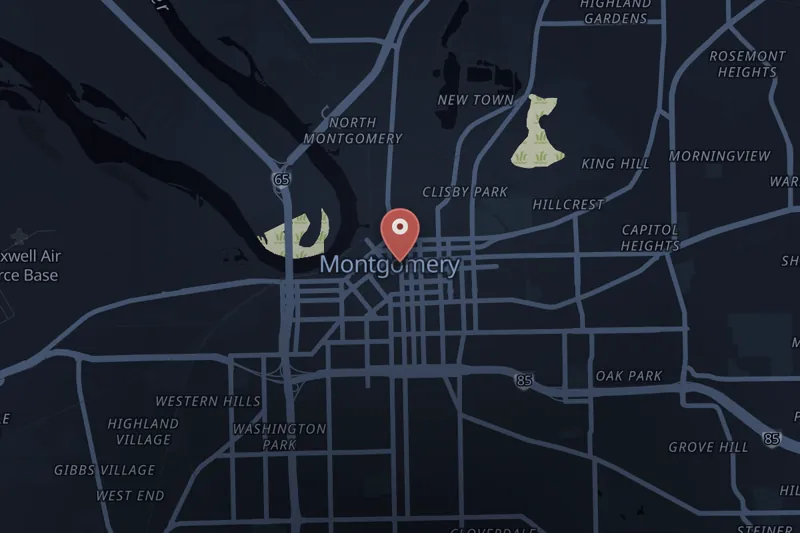
Temple was taken to Hale Infirmary, a hospital serving African American residents of Montgomery. In the early morning hours of September 30, 1919, shortly after 2 a.m., a white mob entered the infirmary and shot Temple to death despite the presence of two police officers at the scene.
Temple's killing occurred during the period known as the Red Summer of 1919, a wave of racist violence and rioting across the United States. Two other men in Montgomery — both veterans of the Armed Forces — had been murdered the day before Temple's death.
A jar containing soil collected from the site of Temple's killing is held at The Legacy Museum in Montgomery. The jar is labeled "John Temple." It was filled by Vanzetta Penn McPherson, a retired magistrate judge for the U.S. District Court for the Middle District of Alabama, and activist Anthony Ray Hinton, as part of a broader effort to memorialize sites of racial terror lynchings.
No individual is documented as having been identified or charged in connection with Temple's killing.


 UNSOLVEDListen