In early November 1919, Columbia County Sheriff Benjamin E. Greer traveled to the home of Jordan Jameson, an African-American man, along with deputies Duke Emerson and John Althin. On November 7, 1919, an altercation broke out at the house that escalated into a shootout, during which Greer was shot in the head. In the confusion, Jameson escaped into the surrounding forest.
The killing occurred against the backdrop of heightened racial tension in Arkansas following the Elaine massacre of September 30–October 1, 1919, in Phillips County, described by the Encyclopedia of Arkansas as possibly the bloodiest racial conflict in United States history. As news spread that Sheriff Greer had been killed, a white mob quickly formed in Columbia County and began patrolling the area searching for Jameson.
Governor Charles Hillman Brough appointed Dave Futch as the new sheriff of Magnolia following Greer's death. Futch attempted to bring the situation under control and arrest Jameson through proper legal channels, but the mob refused to listen to him or to local law enforcement.
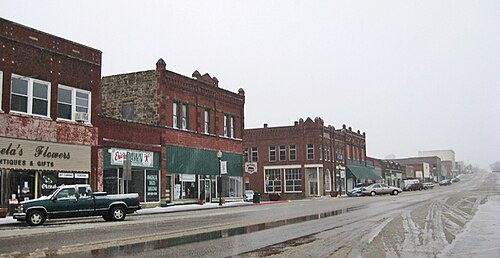
At approximately 1:00 a.m. on November 11, 1919, a posse of ten named men located Jameson and his wife inside a house. The men reportedly coaxed Jameson outside by promising not to harm his wife. Around 5:00 a.m. that same morning, Jameson was taken to the public square in Magnolia, Columbia County, Arkansas, and tied to a stake. Flammable material was stacked around him, and in front of a growing crowd, it was set alight, burning him alive. His body was subsequently turned over to the local Black community.
This killing was one of numerous acts of racial violence during the period later termed the "Red Summer" of 1919, when terrorist attacks on Black communities occurred in more than three dozen cities and counties across the United States. Most fatalities during this period occurred in rural areas, including the Elaine massacre, where an estimated 100 to 240 Black people and five white people were killed. Other major incidents that year included the Chicago race riot and the Washington, D.C. race riot, which killed an estimated 38 and 39 people respectively, along with extensive non-fatal injuries and property damage.

 Credit: File:1903 Poor's Missouri Pacific Railway.jpgPublic domainSourceUNSOLVEDListen