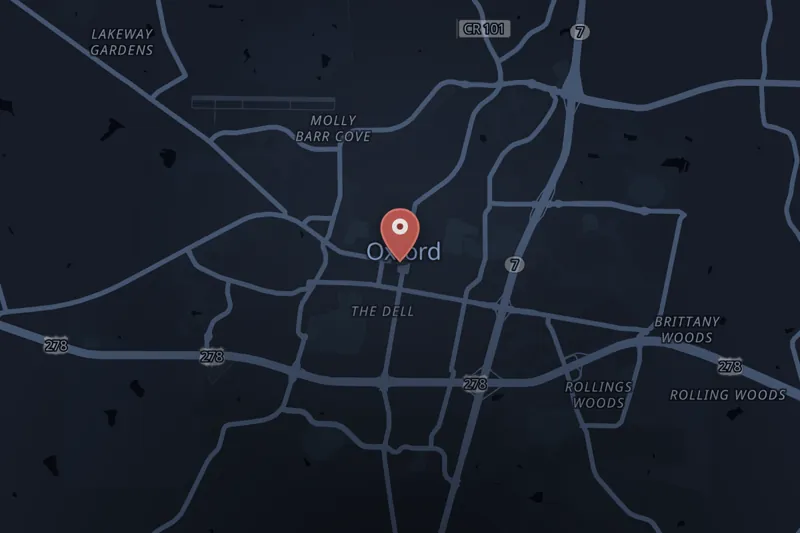
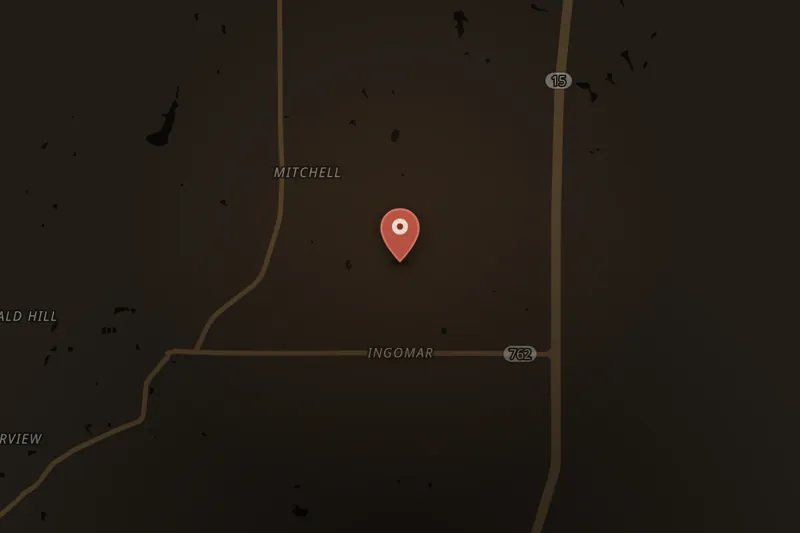
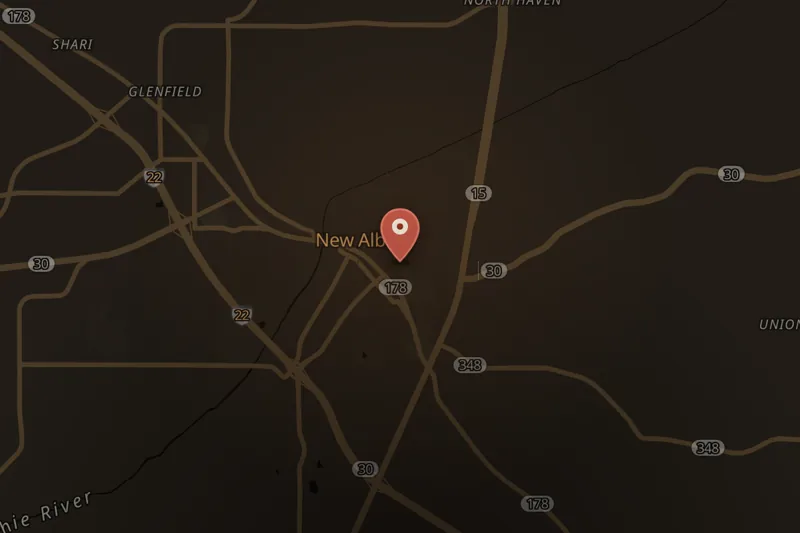
In September 1925, Bessie Gaines, a 21-year-old white single mother, was raped and severely beaten near Rocky Ford, in what is now Etta, Mississippi. She was taken to a hospital in New Albany, where Union County Sheriff John Roberts interviewed her and assembled a posse of white men who used bloodhounds to search for her attacker. The dogs led the posse to a group of Black timber-cutters, among them Cleveland Jones, Sherill Kilpatrick, Spencer Ivy, and L. Q. Ivy. According to accounts gathered by University of Mississippi professor and journalist LaReeca Rucker, a member of the posse later stated that the timing made it physically impossible for the suspects to have reached the scene of the attack, and that he had instead seen a white truck driver crossing the cornfield.
Sheriff Roberts nonetheless settled on L. Q. Ivy as a suspect. Ivy was arrested and presented to Gaines at the hospital, but she could not definitively identify him. A contemporary newspaper article claimed Ivy confessed at this stage, but this has been disputed by later academic accounts. Fearing mob violence, Roberts secretly moved Ivy to Aberdeen rather than holding him in New Albany. Local officials, including Mayor J.E. Tate, Judge Thomas Pegram, and U.S. Senator Hubert Stephens, attempted to calm the gathering crowd, and deputies confiscated weapons. The crowd dispersed temporarily after learning Ivy had been moved.
That night, a group led by a named individual (not charged) entered Judge Pegram's home and coerced him into issuing a writ to produce Ivy. Sheriff Roberts brought Ivy to the hospital early to try to avoid the mob; Gaines again could not confirm his identity, stating only "he looks like the man." Outside the hospital, Bessie Gaines's father attempted to restrain the crowd, but the mob overtook Roberts' attempt to move Ivy toward Holly Springs. Deputies were forced aside, and Roberts ultimately relinquished Ivy to the mob near Myrtle.
The mob transported Ivy to Rocky Ford, where he was tortured with knives, fire, and other implements before being chained to a metal stake atop a wood-and-kerosene pyre before a crowd estimated between 400 and 600 people. Some accounts state Ivy stated he alone was responsible, possibly to protect the other detained men, before being burned to death. Memphis Press-Scimitar reporter J.L. Roulhac witnessed the killing and published a detailed account along with photographs.
Afterward, Sheriff Roberts said he did not recognize any mob members and anticipated no further violence; participants made no effort to hide their identities and were photographed at the scene. Mississippi Governor Henry L. Whitfield publicly denounced the lynching, and Mississippi State Bar Association President James Nathaniel Flowers included the case in a widely distributed pamphlet condemning mob violence, which went into a second printing in 1926.

 SOLVEDListen