Skip to content
Casepin

Solved case · 1852

Lynching of Robert S. Maynard

Also known as Jackson Maynard · John Brown

SOLVEDCONVICTED
Updated
Updated Jul 7, 2026
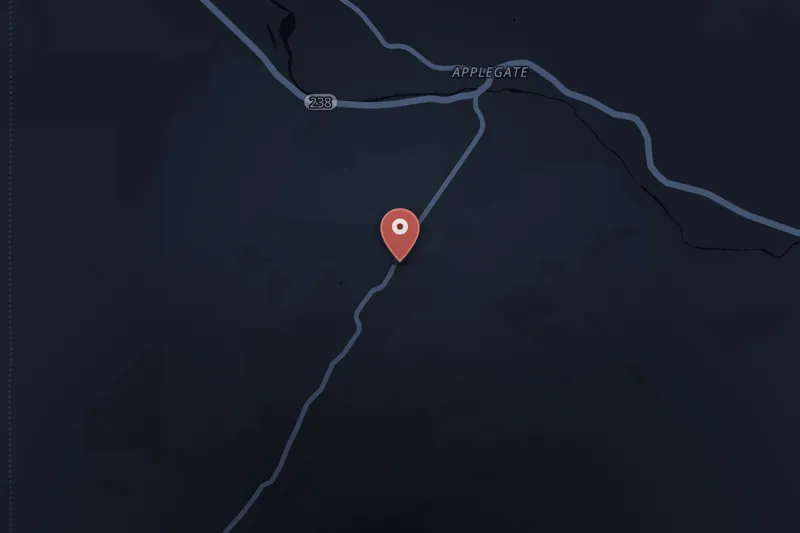
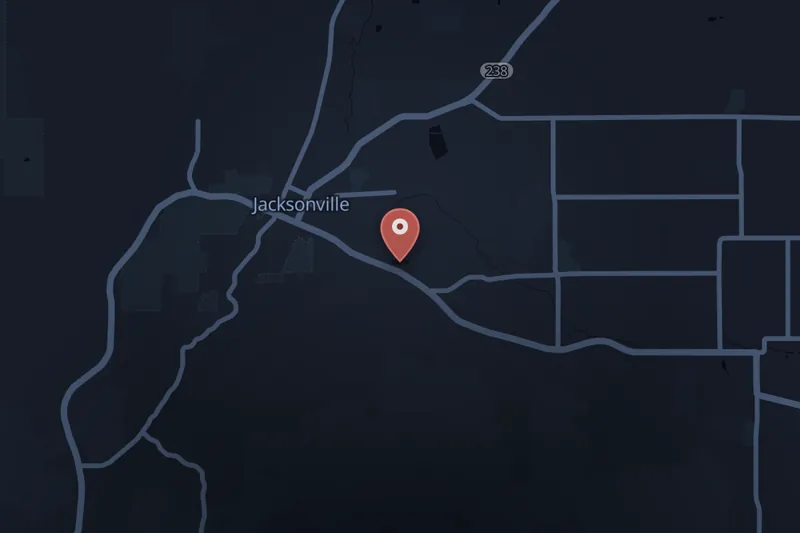
Jacksonville, Oregon (then Rogue River area, Oregon Territory)View on the map

The short answer

Lynching of Robert S. Maynard in brief

In May 1852, Robert S. Maynard, a 21-year-old gambler from Illinois, shot and killed J. C. Platt in the Rogue River mining area of what would become Jacksonville, Oregon, after a verbal insult; miners then extrajudicially hanged Maynard in what is recorded as the first lynching in Southern Oregon.

Key facts

Year
1852
Place
Jacksonville, Oregon (then Rogue River area, Oregon Territory)
Status
SOLVEDSolved
Victim
J. C. Platt
Outcome
Convicted: Robert S. Maynard

The coverage index

Where to watch & listen

No one's coverage is attached to this file yet.

Know great coverage of this case?

A documentary, a podcast episode, a careful long-form video. Suggest it and an editor will review it before it appears here.

Suggest coverage for Lynching of Robert S. Maynard

The case file

What happened

Robert S. Maynard was a 21-year-old man reportedly from Pike County, Illinois, who was active in the gold-mining camps of the Rogue River area of what is now Southern Oregon in 1852. He used the aliases "Jackson Maynard" and "John Brown," and multiple contemporaneous sources refer to him solely as "Brown." He was described by observers as a gambler.

Gold had been discovered in the area late in 1851, and the settlement of Jacksonville was founded in 1852, the same year as the killing. At the time, the region was still commonly known as Rogue River, and no courts of law had yet been established there.

According to the record, Maynard shot a man named J. C. Platt — also referred to in some accounts as John D. Platt or Samuel Potts — with a borrowed gun. The shooting occurred after Platt called Maynard a liar. Platt reportedly "made no attempt to assault" Maynard before being shot.

In the absence of any established judicial system, miners in the camp organized to hold Maynard and then hanged him. The California newspaper The Daily Alta California characterized the killing as a "lynching." Before his death, Maynard reportedly asked onlookers to mark his grave and say "there lies a man who would not be insulted."

Contemporary and later accounts differed in their characterization of the event. Press in New York at the time described the extrajudicial killing as "mob law" but also called it "necessary" given the absence of courts. The 1884 History of Southern Oregon described the hanging as an expression of "a law higher, stronger, more effective than written codes [...] administered by the people's court." A different perspective came from miner Herman F. Reinhart, who recalled some years later that "excited miners [...] worked up a prejudice against the gambler," noting that gamblers such as Maynard had become "very obnoxious to the miners, who had lost money" to them, and that as a result "miners were for lynching" Maynard immediately. Reinhart also recorded that the miners appointed "fifty men (Vigilantes)" to prevent Maynard's escape prior to the hanging. Fifty years later, in 1903, The Sunday Oregonian described the episode as reflecting the "swift and unerring justice of the miners."

This event is documented as the first recorded hanging and the first recorded lynching in Southern Oregon, occurring in a period and location where no organized courts had yet been appointed.

8 dated entries · 1851–1962

Timeline

  1. Gold discovered in the Rogue River area of what would become Southern Oregon.

  2. Jacksonville, Oregon founded amid the gold rush.

  3. Robert S. Maynard shoots and kills J. C. Platt in the Rogue River mining area following a verbal insult; miners subsequently hang Maynard without trial, in what is recorded as the first lynching in Southern Oregon.

  4. Sacramento Daily Union publishes report "From Shasta" referencing the killing.

  5. The Oregon Statesman publishes "Murder and Execution on Rogue River" account of the killing and hanging.

  6. History of Southern Oregon published, describing the 1852 lynching as an act of extrajudicial 'people's court' justice.

  7. The Sunday Oregonian publishes retrospective article "First Hanging in Southern Oregon" by W. J. Plymale, describing the event fifty years on.

  8. Posthumous publication of Herman Francis Reinhart's recollections, The Golden Frontier, describing miners' motivations for the lynching.

2 named in this file

People

Victims first. Every legal label is set from public records and court outcomes, not from the prose.

  • J. C. Platt

    VICTIM

    Shot and killed by Robert S. Maynard in May 1852 in the Rogue River mining area after calling Maynard a liar; also referred to in some sources as John D. Platt or Samuel Potts.[3]

  • Robert S. Maynard

    CONVICTED

    Extrajudicially executed (lynched) by miners in May 1852 after killing J. C. Platt; no formal court existed at the time, so this reflects the historical record of an unofficial 'mob law' execution rather than a court conviction.[3]

From the record

Quick answers

Who was convicted?
Robert S. Maynard: Extrajudicially executed (lynched) by miners in May 1852 after killing J. C. Platt; no formal court existed at the time, so this reflects the historical record of an unofficial 'mob law' execution rather than a court conviction.

3 cited

Sources

Coverage is not a source: every fact in this file rests on the records below.

  • 1 Official / agency
  • 1 Press
  • 1 Encyclopedic
  1. Contemporaneous coverage — lccn.loc.gov

    Official / agencylccn.loc.govAccessed Jul 7, 2026

  2. Contemporaneous coverage — search.worldcat.org

    Presssearch.worldcat.orgAccessed Jul 7, 2026

  3. Lynching of Robert S. Maynard

    EncyclopedicWikipediaAccessed Jul 7, 2026

Trust

Record history

First published
Jul 7, 2026
Corrections
None

Are you family of someone named in this file? Corrections and removal requests from victims’ families are prioritized.