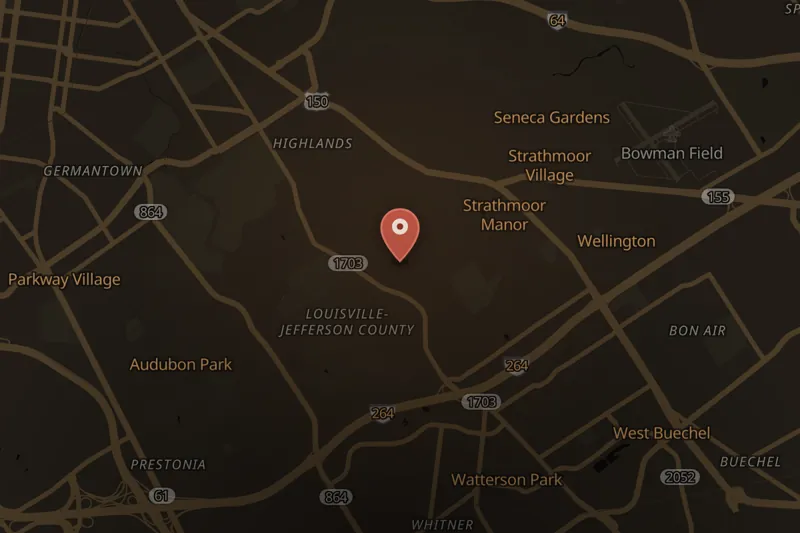
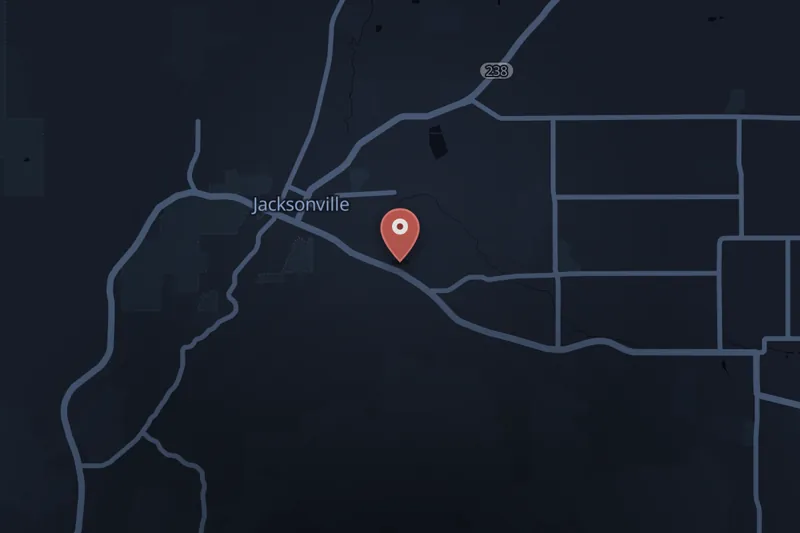
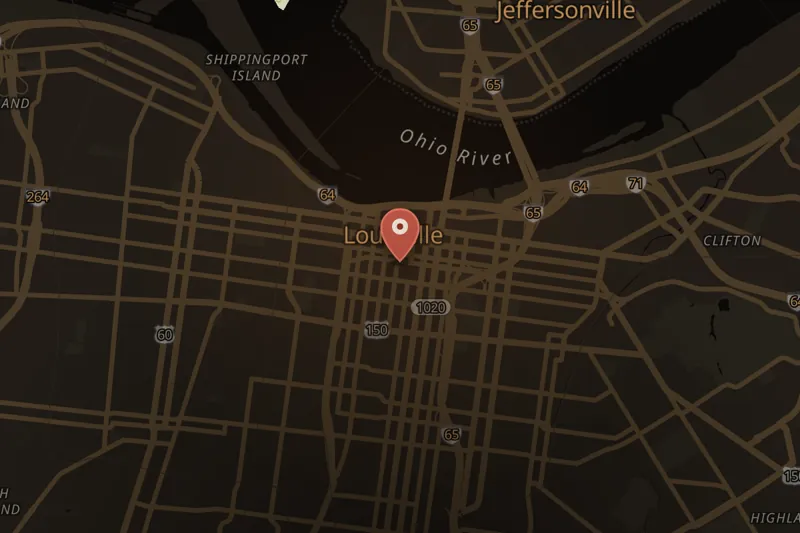
William Butler was a 28-year-old teacher originally from Indiana who founded the Louisville School, a school that drew students from wealthy local families. He was known for strict discipline, had previously tutored the Ward family for twenty months, and had traveled to Europe to improve his language skills. Butler was married with children, had a right hand crippled by an old burn injury, and was a member of the Unitarian church. Among his students was William Ward, the 15-year-old son of Robert Ward Sr., an affluent merchant and land speculator who co-owned a New Orleans firm and whose family owned nine slaves. Another sibling in the family was the socialite Sallie Ward.
On November 1, 1853, William Ward brought chestnuts into the classroom during a recess, violating school rules, and distributed them to classmates. After class, Butler questioned students about chestnut shells found in the room. Ward admitted bringing the chestnuts but denied eating any during the lesson. Butler nonetheless accused Ward of lying, whipped him — a common disciplinary practice at the time — and Ward left the school and told his brother Matthews about the incident that evening, as their parents were away.
The following morning, November 2, 1853, Matthews Ward, having purchased pistols earlier that day, went to the school accompanied by his brother Robert Ward Jr., who carried a Bowie knife, with their father's knowledge but not their mother's knowledge of the pistols. According to testimony, Matthews intended to compel Butler to apologize publicly. A confrontation escalated into a physical struggle, during which Matthews drew a pistol and shot Butler. Robert Jr. brandished his knife at students and another teacher before the brothers fled; Robert briefly returned to retrieve the weapon. Students attempted to move Butler but he was too injured; he died early on November 3, 1853.
Matthews and Robert Ward Jr. were arrested by the sheriff for Butler's death, an event that generated significant public outrage in Louisville given Butler's popularity and the Wards' wealth. The defense secured a change of venue to Hardin County, and the case attracted national media attention. At trial beginning in April 1854, the defense fielded eighteen attorneys, including John J. Crittenden, against four prosecution attorneys. The judge limited the jury's options for Matthews to manslaughter or acquittal, excluding a murder charge; Robert Jr. was tried as an accomplice. Prosecution witnesses — thirteen of the forty boys present — testified that Butler did not strike Matthews and that Matthews had kept his hand in his pocket until drawing the pistol. Defense witnesses, including a carpenter who claimed Butler admitted striking Matthews, contested this account, though the treating doctor disputed that claim.
On April 26, 1854, both brothers were acquitted. That evening a crowd gathered at the vacant Ward mansion, threw stones, and burned effigies of the brothers, causing a fire that was quickly extinguished with only minor damage. The verdict drew widespread criticism, particularly from abolitionists and commentators outside the South, who cited it as evidence of a permissive Southern legal culture toward violence. In 2022, The Washington Post described the shooting as the first documented primary or secondary school shooting in the United States.

 ONGOINGListen