In early June 1858, a small group of Danish immigrants — Jens Jorgensen, his pregnant wife Hedevig Marie Jensen Jorgensen, Jens Terklesen, Christian I. Kjerluf, and John Ericksen — were traveling unarmed through Salt Creek Canyon in what is now Juab County, Utah. They were en route to join other Scandinavian immigrants settling in the Mormon colony of Sanpete Valley. The group moved with an ox team pulling a wagon and a separate ox pulling a handcart.
On the afternoon of June 4, 1858, as the party came within about a mile and a half of the canyon's opening into Sanpete Valley, members of an unidentified Indigenous tribe emerged from concealed positions and attacked them. Two of the travelers were killed and their bodies burned along with the wagon. A third victim was killed after running approximately 50 yards from the ambush site. Hedevig Marie Jensen Jorgensen, who was pregnant, was killed near the wagon with a tomahawk — a detail that has drawn specific attention from historians recounting the event.
John Ericksen, who had been walking some distance ahead of the rest of the group at the time of the attack, escaped unharmed. He made his way to the nearby town of Ephraim, arriving around dark to report the attack. The ox that had been pulling the handcart, apparently frightened during the ambush, fled back toward the town of Nephi. The bodies of the four victims were subsequently recovered and brought to Ephraim for burial.
The specific motive behind the attack has not been established and remains unclear in the historical record. No individuals have been identified or charged in connection with the killings, and the case is treated as an unsolved historical incident from the Utah Territory period.
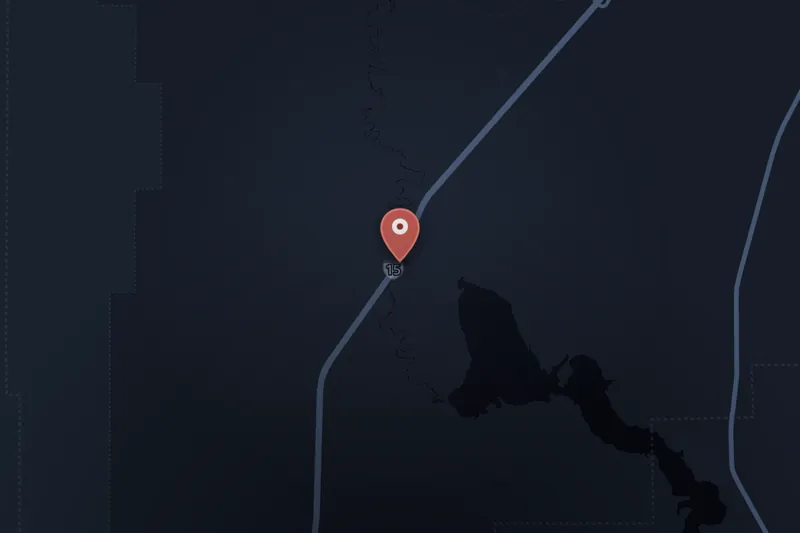
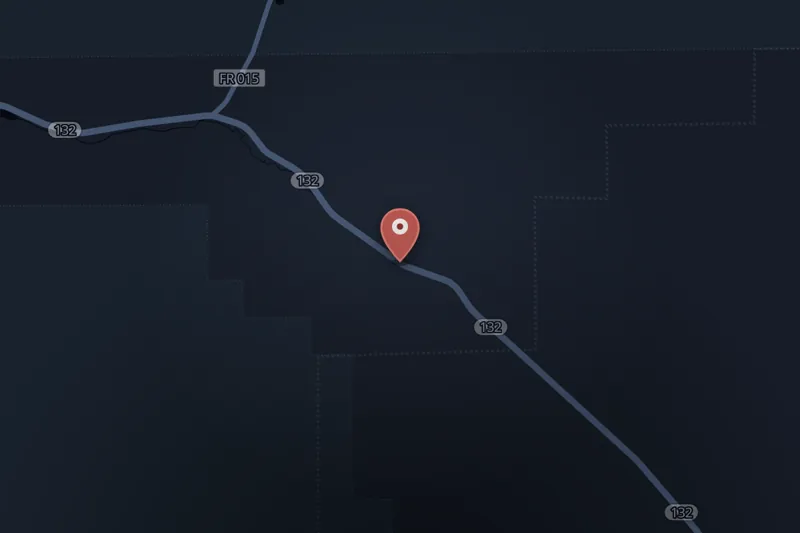
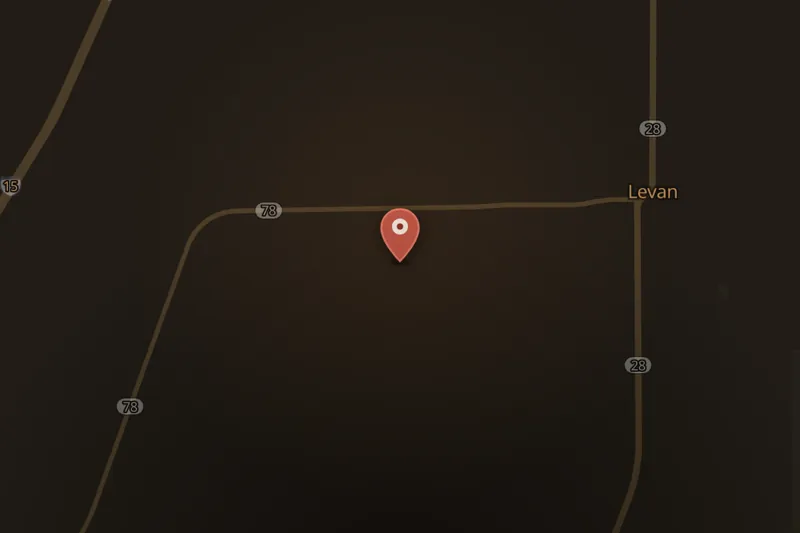
The site of the massacre is now marked by a Daughters of Utah Pioneers monument (numbered 11), which was erected in 1936 along Utah State Route 132 between the towns of Nephi and Fountain Green, Utah. The event is noted alongside other violent incidents of the era in the region, including the Fountain Green massacre and the Mountain Meadows Massacre, occurring during a period of broader tension known as the Utah War.


 UNSOLVEDListen