On December 13, 1924, a white grocer named Ike Eastwood reported hearing noises outside his home in Nolensville, Tennessee, and finding an African-American man, Jim Smith, in his garage, whom he suspected of stealing spark plugs. Eastwood shot Jim Smith, who was then joined by his 15-year-old nephew, Samuel Smith. Samuel Smith shot and wounded Eastwood, and Eastwood fired back, wounding the younger Smith. Samuel Smith fled and attempted to hitch-hike to Nashville but was arrested the following morning about 100 yards from Eastwood's house. He was taken to Nashville's General Hospital for treatment and chained to his hospital bed. His uncle, Jim Smith, was separately captured and taken to the county jail.
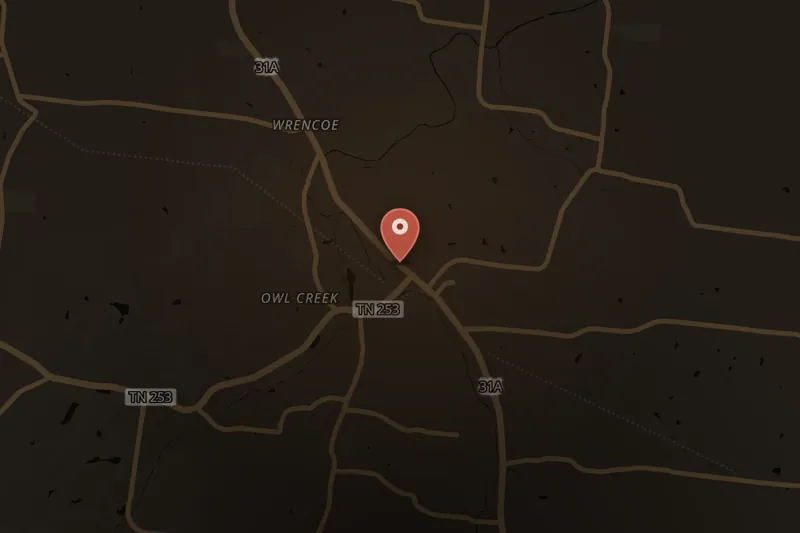
At midnight on December 15, 1924, a group of six or seven masked and armed men seized Samuel Smith from his hospital room. They were joined outside the hospital by a larger masked mob. Smith was taken to Frank Hill Road in Nolensville, near the site of his arrest, where he was stripped, hanged from a tree, and shot repeatedly. Witnesses in an estimated thirty cars watched the lynching, with many firing guns as Smith was hanged before driving away. At 12:50 a.m., an unidentified caller notified The Tennessean newspaper of the lynching. Farmer W. F. Fly, awakened by gunfire, found Smith's body hanging from an oak tree around 1 a.m. and alerted authorities. County Sheriff Robert Riley, county coroner J. R. Allen, and police officers responded to the scene but left the body hanging where it was found, approximately 200 yards north of the Williamson County line along the Nolensville Pike. Contemporary coverage in The Nashville Tennessean drew a comparison to the 1892 lynching of Ephraim Grizzard.
The killing drew public condemnation. Nashville Mayor Hilary Ewing Howse denounced the lynching, and prominent city residents wrote an open letter to Tennessee Governor Austin Peay and Sheriff Riley urging prosecution of those responsible. The Nashville Chamber of Commerce offered a $5,000 reward for information leading to the identification and arrest of the perpetrators. Members of the Vine Street Temple condemned the killing, and leaders of the Agora Club, an African-American organization, discussed whether to encourage Black residents to leave the region. The Leaf-Chronicle newspaper argued that such open lawlessness could not persist without community complicity. Despite these responses, no one was ever convicted for Samuel Smith's death. It has been described as believed to be the last lynching in the Nashville area, though Fisk University Dean Reavis L. Mitchell Jr. noted there may have been others without public record.
In June 2017, Smith was memorialized alongside lynching victims Ephraim and Henry Grizzard at a Fisk University Memorial Chapel service titled "Reclaiming Hope Through Remembering," and a commemorative plaque was installed at St. Anselm's Episcopal Church in Nashville, part of a multi-year diocesan effort addressing the legacy of racism in the city.

 SOLVEDListen


