Active case
Lynching of Wilbur Little

Wilbur Little (also referred to as William or Wilbert in some sources) was a Black American veteran of World War I who returned to his hometown of Blakely, Georgia, in early 1919. Under War Department regulations, discharged servicemen were permitted to wear their military uniforms for up to three months after demobilization, and reports indicate Little was still within or near that period when he arrived home in uniform.
Little was seen at the Blakely train station by a group of white men who demanded he remove his uniform. He was threatened with arrest but was allowed to return home still wearing it because he lacked civilian clothing. Anonymous notes subsequently warned him to leave town if he intended to keep wearing the uniform. Days later, while greeting friends who were congratulating him on his wartime service, he was attacked by a mob. He was later found beaten to death on the outskirts of town, still in uniform. Sources differ on the exact manner of death: one account states he was hanged and burned, while another says he was beaten to death; the article notes that authoritative details about killings of this kind were often lacking.
The case became known nationally after the Chicago Defender published a story about Little's death on April 5, 1919. In May 1919, several newspapers, including Blakely's own Early County News, ran pieces disputing that a lynching had occurred. The Early County News published editorials on May 15 and May 29 asserting that no Black resident had been lynched in the county for refusing to remove a uniform and claiming Little was alive and working on a farm. The paper's editor, W. W. Fleming, also wrote to the New York Sun on May 24 reiterating this denial. Other papers, including the Kingston Daily Freeman, the Winston-Salem Journal, the Raleigh News and Observer, and the Taylor Daily Press, ran stories questioning the accuracy of an earlier Philadelphia Public Ledger report, suggesting confusion with a separate killing, that of Clifford Hughes.
In response to the conflicting reports, the NAACP sent investigator Monroe N. Work to Blakely. On June 7, 1919, Work telegrammed NAACP officer J. R. Shillady stating that his investigation did not indicate the lynching had occurred, and he recommended the allegation be dropped. Despite this, the NAACP ultimately rejected its investigator's recommendation and published the Wilbur Little story in its magazine The Crisis roughly three months later.
Little was one of many African-American servicemen of the era subjected to violence for continuing to wear their military uniforms after discharge, and the case was later memorialized in poet Carrie Williams Clifford's 1922 poem "The Black Draftee from Georgia."

Key facts
- Victims
- Wilbur Little
- Date
- 1919
- Location
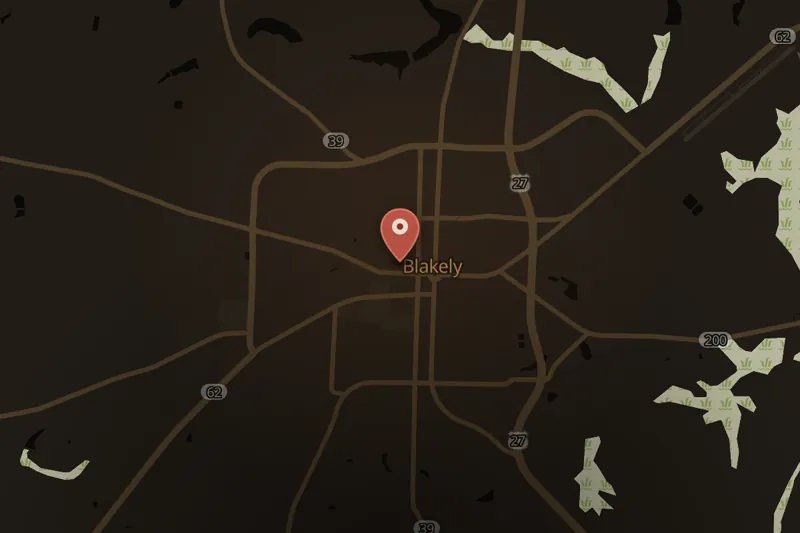
- Blakely, Georgia, United States
- Case status
- unsolved
Case timeline
1919-04
Wilbur Little, a discharged Black World War I veteran, returns to Blakely, Georgia in his military uniform and is reportedly confronted, threatened, and later killed after refusing to remove it.
1919-04-05
The Chicago Defender publishes a story reporting Little's lynching/death.
1919-04-20
The Philadelphia Public Ledger runs a report on the incident that later becomes the subject of disputes over accuracy.
1919-05-08
The Kingston Daily Freeman runs a story questioning the accuracy of the earlier report.
1919-05-13
The Winston-Salem Journal runs a similar story questioning the report's accuracy.
1919-05-15
The Raleigh News and Observer runs a similar story; Blakely's Early County News also publishes an editorial denying the lynching occurred.
1919-05-19
The Taylor Daily Press runs a similar story questioning the report's accuracy.
1919-05-24
Early County News editor W. W. Fleming writes to the New York Sun denying the lynching occurred.
1919-05-29
The Early County News publishes a second editorial asserting Little was alive and working on a farm.
1919-06-07
NAACP investigator Monroe N. Work telegrams officer J. R. Shillady stating the reported lynching does not appear to have occurred and recommending the allegation be dropped.
1919
The NAACP rejects its investigator's recommendation and publishes the Wilbur Little story in The Crisis approximately three months after Work's telegram.
1922
Poet Carrie Williams Clifford memorializes the case in the poem "The Black Draftee from Georgia."
Best coverage
No approved coverage links are attached yet.
People
Wilbur Little
VICTIMBlack American World War I veteran reportedly killed in Blakely, Georgia in April 1919 for refusing to remove his military uniform; no individual was charged in connection with his death per available sources.
Roles reflect public records and court outcomes at the time of writing — supporting citations are on file under Sources.
Places
Common questions
- What happened to the victim?
- Wilbur Little, a Black World War I veteran, was killed in Blakely, Georgia in April 1919 after refusing demands from white residents to remove his military uniform; contemporary accounts of the killing were later disputed by local newspapers and an initial NAACP investigation.
- Where did the crime happen?
- Blakely, Georgia, United States.
- What is the current status of the case?
- Status: unsolved. Last verified July 2026.
Sources
- ENCYCLOPEDICLynching of Wilbur LittleWikipedia · 2026-07-07
- OFFICIAL / AGENCYContemporaneous coverage — chroniclingamerica.loc.govchroniclingamerica.loc.gov · 2026-07-07
- PRESSContemporaneous coverage — The New York TimesThe New York Times · 2026-07-07
Record history
- First published
- JUL 07, 2026
- Last verified against sources
- JUL 07, 2026