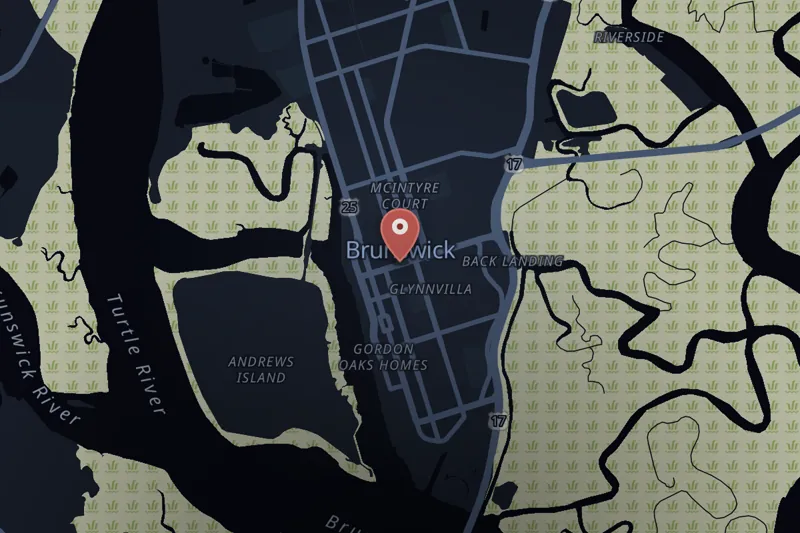
William Byrd was an African-American man who was lynched by a mob in Brentwood, Wayne County, Georgia, on May 28, 1922. According to the United States Senate Committee on the Judiciary, this was the 31st of 61 recorded lynchings in the United States during 1922.
The events leading to Byrd's death began when a number of workers were employed to work on the farm of B.W. Moody, a well-off farmer who lived near Byrd. Byrd's wife was among those who agreed to work at Moody's farm. She wanted to ride in the front of the truck to get to the farm, but Moody would not allow her to do so. She complained of the slight to her husband. William Byrd then went to confront Moody, and the confrontation escalated. Byrd allegedly shot and killed Moody, and also seriously wounded Browning Weaver and Carlos Moody in the arm.
Following the shooting, Byrd fled into the wilderness. Hounds were procured from the sheriff of Wayne County at Jesup, Georgia, and were used to track him down. Byrd was surrounded by the mob and shot multiple times. The perpetrators then burned his body.
This case is documented alongside a separate 1922 lynching of a man named Alfred Williams in Harlem, Georgia, on March 12, 1922, for allegedly shooting and wounding a white farmer who survived his injuries; this is listed as a related case rather than part of the Byrd incident itself.
The case remains part of the historical record of extrajudicial lynchings documented in United States Senate Judiciary Committee hearings on anti-lynching legislation held in the 1920s.