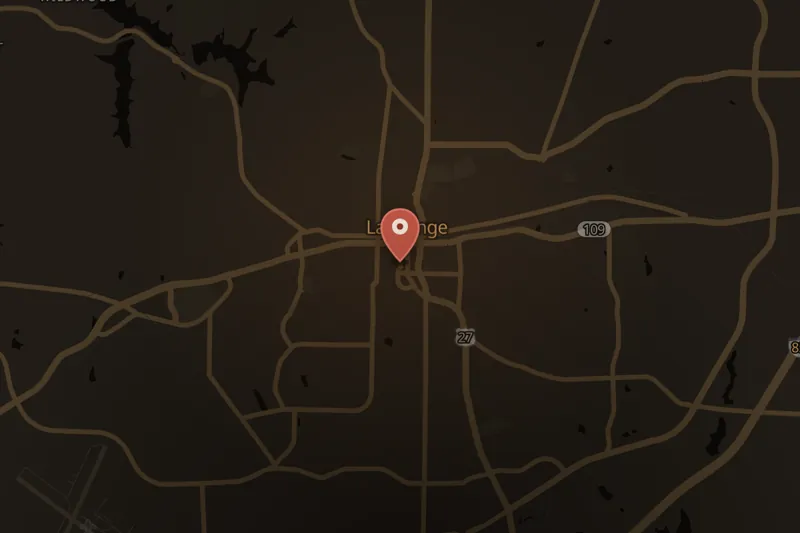
Willie James Howard was a 15-year-old African-American teenager living in Live Oak, Suwannee County, Florida, where he worked at the Van Priest Dime Store. Around Christmas 1943, he gave Christmas cards to his co-workers, including a white girl named Cynthia Goff. On New Year's Day 1944, he followed up with a letter to Cynthia that referenced the earlier card, expressed affection, and asked her to write back with her thoughts, while also noting that he did not intend to make her angry.
It is not established whether Cynthia gave the letter to her father or whether he found it independently, but Alex P. "Phil" Goff — the Live Oak postmaster and a former state legislator — discovered the letter and reacted with anger. Goff, together with S. B. McCullers and Reg H. Scott, went to Willie's home and took him from his mother at gunpoint. The three men then collected Willie's father, James Howard, from the Bond-Howell Lumber Company where he worked, and drove the group to the Suwannee River east of Suwannee Springs. There, Willie was bound by the hands and feet and given the choice of being shot or jumping into the river. After his father told him he could not save him, Willie jumped into the river and drowned.
Goff, McCullers, and Scott subsequently signed an affidavit asserting that their intention had only been to have James Howard whip his son, and that Willie had instead chosen to jump into the river rather than be whipped by his father — characterizing his death as suicide. James Howard signed the same affidavit at the time, but after selling his home and relocating to Orlando, he recanted his statement. Harry T. Moore of the NAACP interviewed Willie's parents regarding the incident. A county grand jury declined to indict any of the men involved. Moore subsequently helped prompt a federal investigation, but this did not result in any convictions. Goff, McCullers, and Scott died without ever facing murder charges. Cynthia Goff was reported to have been deeply distraught over Howard's death, stating she had not intended for it to happen.
Decades later, a 2009 documentary, Murder on the Suwanee: The Willie James Howard Story, directed by Isaac Brown and produced by historian Marvin Dunn, attempted to persuade then–Florida Attorney General Charlie Crist to reopen the case, without success. The case was not investigated under the Emmett Till Unsolved Civil Rights Crime Act. It has frequently been compared to the killing of Emmett Till, who was lynched at age 14 several years later under similar circumstances involving alleged advances toward a white woman. Historian Tameka Hobbs also examined the Howard case, alongside three other lynchings, in her 2015 book "Democracy Abroad, Lynching at Home: Racial Violence in Florida."

 COLDListen