On 1 October 1818, approximately six Wodiwodi people were killed in a clash with nine settlers from the Colony of New South Wales along the Minnamurra River in the Illawarra region of New South Wales. According to accounts recorded at the time, the settlers stated they were attempting to recover two muskets that had been lent to some Aboriginal people, and that this escalated into an armed confrontation.
The group of settlers involved included local Dapto property owner William Frederick Weston, his site overseer Cornelius O'Brien, stock keeper John Stewart, John McArthy, and William Richards, along with unnamed convicts and labourers. This group approached an Aboriginal campsite in the early hours of the morning, armed with muskets, swords, and knives attached to long sticks.
A subsequent inquiry was held before magistrates in Sydney. Stewart, Richards, and McArthy, along with Joseph Wild, the constable for Illawarra, testified before the magistrates. The magistrates concluded that they were not satisfied that allegations of vigilante action could be proven. Then-Governor Lachlan Macquarie strongly disagreed with this conclusion, arguing that the men had set out with the intention of hostility toward Indigenous Australians.
A Dharawal man referred to as Young Bundle reported that the settlers had killed all those they encountered in the camp. D'Arcy Wentworth served as the primary magistrate who judged the case; he would later come to own more than 5,000 acres of land in the area, land that would have belonged to those who were killed.
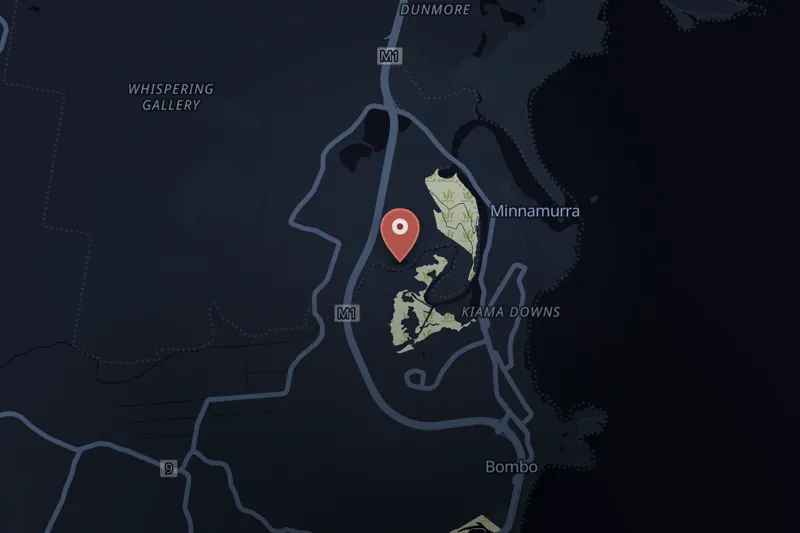
The exact location of the massacre remains disputed. Research led by Professor Lyndall Ryan has produced an approximate location for the massacre site, situated north of Kiama. In 2019, Kiama Council unveiled a memorial commemorating the massacre at the southern end of the Minnamurra Bridge.
The site of the massacre has been under threat from sand mining conducted by Boral. Excavations at the site have uncovered more than 15,000 artefacts, and mining activity was not halted despite concerns raised over the potential disturbance of Indigenous burial sites.
This case is documented through historical inquiry records and subsequent research and commemorative efforts; no criminal convictions arose from the 1818 magistrates' inquiry.

 Credit: Unknown, personal family picture. Likely a relative or family friend.Editorial useSourceCOLDListen


