Start here
True Crime — The Olgiata Mystery | Crime Corner
L'Angolo del Crimine's telling of the case, the strongest entry point on file.
Watch on YouTubeSolved case · 1991
Also known as Alberica Filo della Torre · Delitto dell'Olgiata
 Alberica Filo della TorreCredit: Italian Wikipedia ; newspaper photo circulated at the time of the 1991 murderEditorial useSource
The short answer
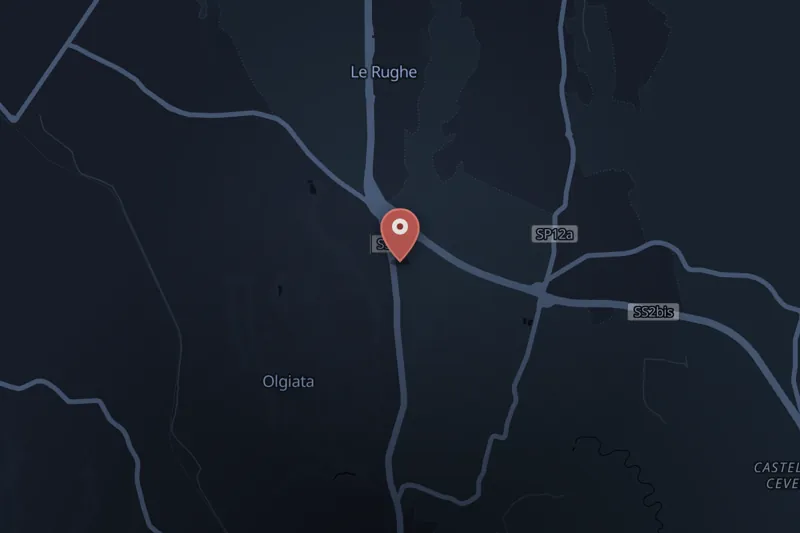
Alberica Filo della Torre, a 42-year-old Roman noblewoman, was beaten and strangled in her locked bedroom at a villa in Olgiata, Rome, on 10 July 1991. The case went unsolved for 20 years until 2011 DNA evidence and a confession led to the conviction of Manuel Winston Reyes, a former domestic employee of the family.
True Crime — The Olgiata Mystery | Crime CornerL'Angolo del Crimine1 piece from 1 creator: ranked, with duplicates removed and short clips set aside.
Start here
L'Angolo del Crimine's telling of the case, the strongest entry point on file.
Watch on YouTubeTitles and descriptions are the creators’ own and may not reflect current legal status. The sourced facts are in the file below. Players load only when you press play. Suggest coverage we’re missing.
On the morning of 10 July 1991, Alberica Filo della Torre, 42, was found dead in her locked bedroom at a villa in the Olgiata district of Rome. She had last been seen alive by a maid who brought her breakfast around 7:45 a.m. and again around 8:30–8:45 a.m. When she failed to respond to repeated knocking, household staff eventually used a second key to enter the room and found her on the floor with her head wrapped in blood-soaked sheets. Investigators determined she had been struck with a blunt object, possibly a clog, and then strangled; her jewelry was missing from the room. The household that morning included her two children, two Filipino servants, an English babysitter, and four laborers preparing for the couple's wedding anniversary celebration.
The investigation initially treated the case as a possible crime of passion before pursuing an "internal track," reasoning that the killer was likely someone trusted enough to move freely through the villa. Roberto Jacono, son of the children's private tutor, was an early suspect due to blood found on his trousers, but he was cleared by DNA. Suspicion then turned to Manuel Winston Reyes, a Filipino waiter who had been dismissed from the household shortly before the murder, but early DNA testing was inconclusive and the case was suspended in the fall of 1991.
The investigation was drawn into an unrelated scandal in 1993, when a probe into secret intelligence service (SISDE) slush funds implicated a family friend, Michele Finocchi, who turned out to have concealed his intelligence-service ties from the family. Investigators pursued theories involving Swiss and Luxembourg bank accounts linked to the countess and scrutinized her husband, builder Pietro Mattei, but these financial trails ultimately produced no evidence connecting the family to the crime.
At the urging of the victim's widower, the case was reopened in 2007 for new DNA analysis. A 2008 review by the RIS forensic unit matched DNA on the victim's wristwatch and bedsheets to Manuel Winston Reyes. Investigators also found that a recorded phone call in which Reyes discussed selling stolen jewelry had gone unreviewed in the case file for two decades. On 29 March 2011, DNA evidence was deemed to definitively confirm Reyes's presence at the scene; he was arrested on flight-risk grounds and confessed to the murder on 1 April 2011. Reyes, who had worked for the family for only two months before his dismissal, had named a daughter born in 1995 "Alberica." He was convicted in an abbreviated trial and sentenced to 16 years' imprisonment on 14 November 2011. He was released on 10 October 2021 after roughly ten years, citing good behavior and sentence reductions, prompting protests from residents near the Rome prosecutor's office.
The case generated extended civil litigation, including defamation judgments against broadcaster Bruno Vespa over on-air remarks and the display of graphic crime-scene images, and a 2014 civil court finding of negligence against forensic technical assistants involved in the original DNA examination. The victim's family later established the Alberica Filo della Torre Foundation to support legal and forensic education initiatives.
Alberica Filo della Torre is found dead in her locked bedroom at a villa in Olgiata, Rome; she had been beaten and strangled.
Investigation initially suspects Roberto Jacono and then Manuel Winston Reyes, but both are cleared by inconclusive DNA testing; case suspended in the fall.
The SISDE slush-fund scandal draws the investigation toward financial and intelligence-service connections to the Mattei-Filo della Torre family.
ROS Carabinieri arrest prefect Gerardo De Pasquale in the related SISDE investigation.
Italo Ormanni takes over as deputy prosecutor on the case.
Case reopened at the request of victim's widower Pietro Mattei for new DNA analysis.
RIS forensic analysis finds DNA matching Manuel Winston Reyes on the victim's wristwatch and sheets.
DNA evidence considered definitive confirmation of Reyes's presence at the crime scene; he is arrested.
Manuel Winston Reyes confesses to the murder.
Reyes sentenced to 16 years' imprisonment in an abbreviated trial.
The Alberica Filo della Torre Foundation is founded by the victim's relatives.
Civil Court of Rome finds three technical assistants negligent in their forensic examination and awards damages.
Rome Courthouse orders Bruno Vespa and Ester Vanni to pay damages to the victim's relatives over broadcast of graphic images.
Pietro Mattei, the victim's husband, dies aged 54.
Manuel Winston Reyes is released from prison after serving about ten years, prompting protests.
Victims first. Every legal label is set from public records and court outcomes, not from the prose.
42-year-old victim, beaten and strangled in her home in Olgiata, Rome, on 10 July 1991.[3]
Former domestic employee of the family; convicted after confessing to the murder in 2011 and sentenced to 16 years' imprisonment, later released in 2021.[3]
From the record
Coverage is not a source: every fact in this file rests on the records below.
Are you family of someone named in this file? Corrections and removal requests from victims’ families are prioritized.
 ONGOINGListen
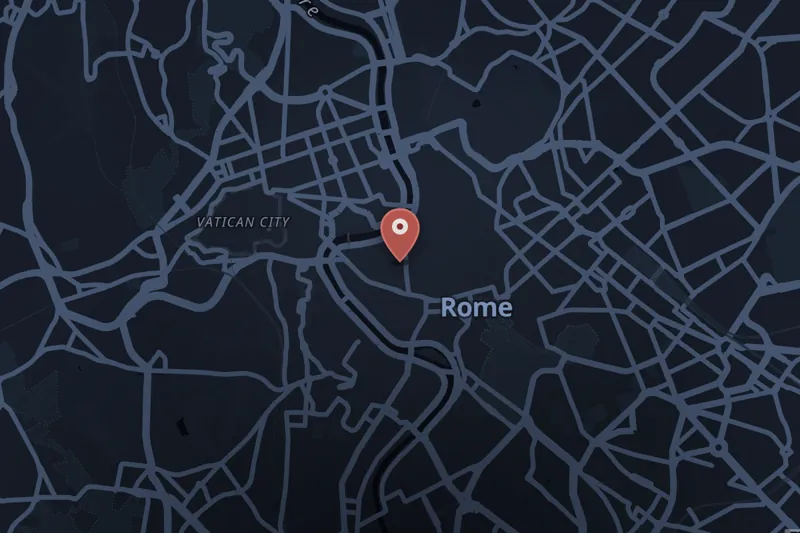
Corso Rinascimento near Piazza Navona, Rome — site of Orlandi's last confirmed sighting · 1980s
Emanuela Orlandi, a 15-year-old Vatican citizen, disappeared in Rome on 22 June 1983 after a flute lesson. A claimed terrorist kidnapping tied to a demand for a gunman's release was later concluded to be a deliberate misdirection; after two judicial investigations closed without resolution (1983-1997, 2008-2015), the case was reopened in 2023 under simultaneous Vatican, Italian judicial, and parliamentary inquiries, and her fate remains unknown.
 Credit: a member of the Red BrigadesPublic domainSourceSOLVEDListen
Via Michelangelo Caetani, Rome, Italy · 1970s
On 16 March 1978, Red Brigades gunmen ambushed former Italian prime minister Aldo Moro's car in Rome, killing his five bodyguards and kidnapping him. After 54 days in captivity, Moro was shot and killed on 9 May 1978. An Italian court sentenced 32 Red Brigades members to life imprisonment in 1983.
 Credit: RiccardovPublic domainSourceSOLVEDListen
Sapienza University of Rome campus · 1990s
Marta Russo, a 22-year-old law student, was fatally shot on the grounds of Sapienza University of Rome in May 1997, in a heavily publicised and contested case that ended in manslaughter convictions.
 Credit: CBS News / Travis Alexander (personal photo)Editorial useSourceSOLVEDListen
Mesa, Arizona, United States · 2000s
Travis Alexander, 30, was stabbed, slashed, and shot to death in his Mesa, Arizona home on June 4, 2008. His ex-girlfriend, Jodi Arias, was convicted of first-degree murder in 2013 and sentenced to life without parole in 2015 after two juries deadlocked on the death penalty.
 Credit: Prugna at Italian WikipediaCC BY-SA 4.0SourceSOLVEDListen
Via della Pergola 7, Perugia, Italy · 2000s
British exchange student Meredith Kercher was found murdered in her Perugia flat on 2 November 2007. Rudy Guede was convicted of her sexual assault and murder in a fast-track trial. Kercher's roommate Amanda Knox and Knox's boyfriend Raffaele Sollecito were separately convicted, then acquitted, reconvicted, and finally acquitted and declared innocent by Italy's Supreme Court of Cassation in 2015.
 SOLVEDListen
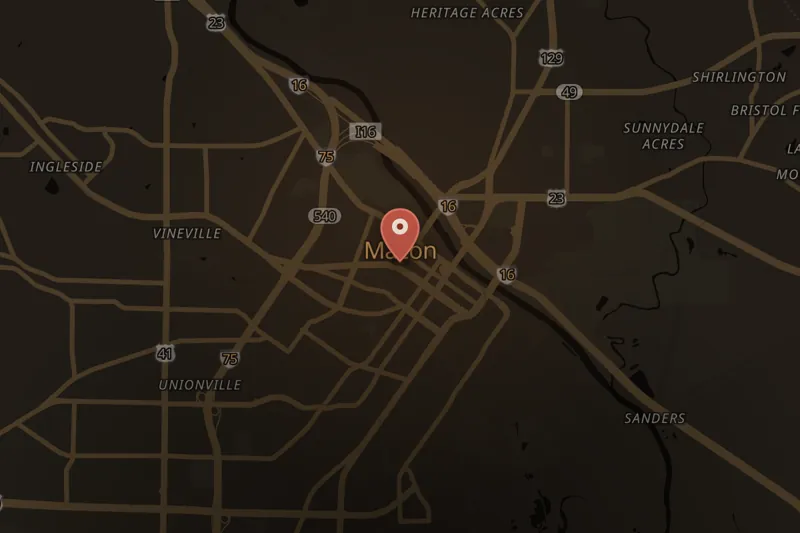
Macon, Georgia, United States · 2011
Lauren Giddings, a recent Mercer University School of Law graduate studying for the bar exam, was strangled and dismembered in Macon, Georgia, in June 2011 by her neighbor and former classmate Stephen Mark McDaniel, who pleaded guilty in 2014.