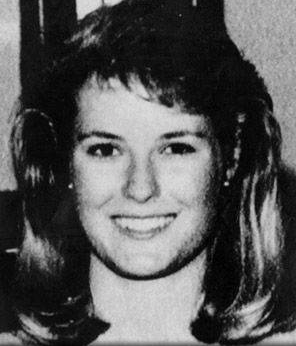
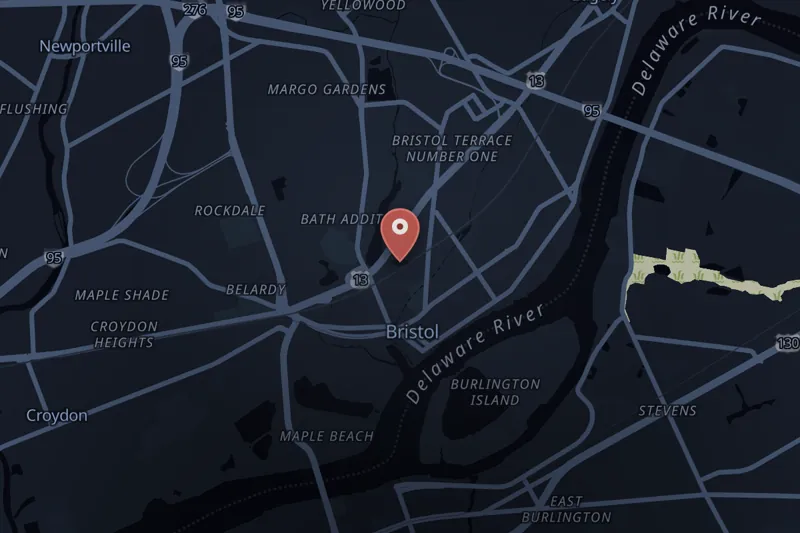
Anthony "Tony" Milano was a 26-year-old gay commercial artist from Levittown, Pennsylvania. On the evening of December 14, 1987, after attending a Bible study, he stopped at the Edgely Inn, a bar on Route 13 in Bristol Township, to get a sandwich. There he met Richard Laird, 24, and Frank Chester, 20. Laird began calling Milano names, pressured him into buying rounds of vodka and whiskey, and was overheard telling Chester how much he hated homosexuals. In the early hours of December 15, Milano agreed to drive the two men home in his 1977 Chevrolet Nova; his father later said he may have offered the ride hoping to show goodwill.
Once in the car, Laird and Chester forced Milano to drive them around for 45 minutes while Laird repeatedly struck him. Milano eventually stopped in a wooded lot on the 1300 block of Ashby Avenue. According to trial testimony, Chester attacked Milano first and knocked him down, after which Laird inflicted fatal wounds to his throat. Milano died at the scene. Laird later claimed Chester had delivered the fatal injuries.
Milano's mother reported him missing that afternoon. Around 11:00 p.m., police responding to a car fire found his badly beaten and stabbed body; his car, which Chester and Laird had set ablaze, was located about 85 feet away. In the days after the killing, the two men discussed hiding the body and confided in an acquaintance, Richard Griscavage, who later testified for the prosecution. Police arrested Laird on December 22, 1987. Chester had been interviewed on December 20 but fled and was captured on December 30 after a tip. Both were charged with first-degree murder, kidnapping, aggravated assault, unlawful restraint, false imprisonment, possession of an instrument of crime, and conspiracy.
Tried together, with each man blaming the other for the fatal wounds, Laird and Chester were convicted, and on May 21, 1988, a Bucks County jury sentenced both to death — reported at the time as the first death sentences in the United States imposed for an anti-gay hate crime. Formal sentencing did not occur until July 19, 1989, when the trial court again imposed death sentences on both men following separate hearings marked by hostility between the co-defendants.
Subsequent legal proceedings spanned decades. The Pennsylvania Supreme Court upheld both convictions and sentences in 1991. Laird's state post-conviction petition was denied, with the state supreme court affirming in 1999, but a federal district court partially granted habeas relief in 2001, vacating his first-degree murder conviction and death sentence. The Third Circuit affirmed in 2005, and Pennsylvania retried Laird, who was again convicted and sentenced to death in 2007. A 2011 execution warrant was stayed to allow further appeals, which were denied through 2016, with the Third Circuit affirming denial of a later habeas petition in 2025. In 2016, Chester accepted a plea deal, pleading guilty to first-degree murder and being resentenced to life without parole. Laird remains on death row.

 SOLVEDListen