Background and Attack
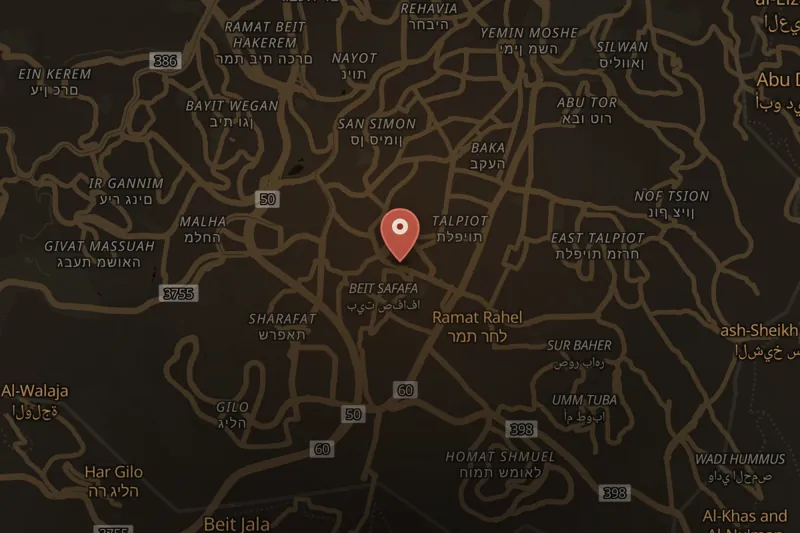
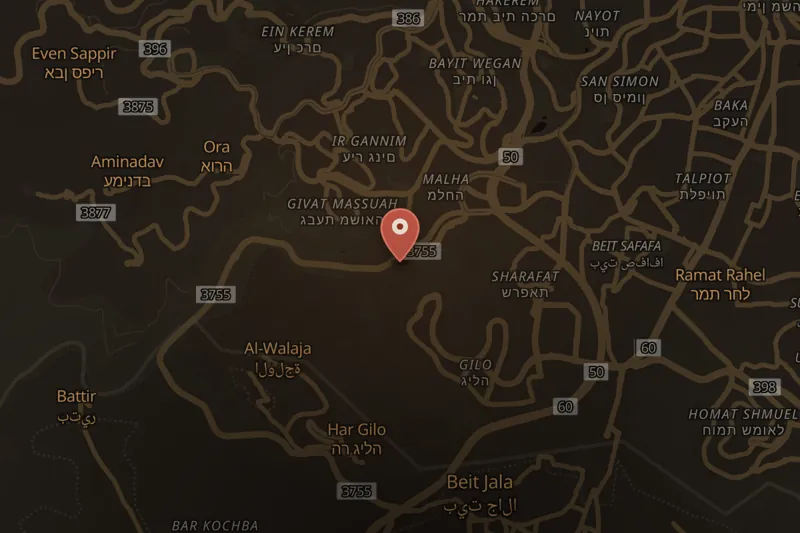
Ori Ansbacher, a 19-year-old Israeli woman from Tekoa, volunteered at a youth center in Jerusalem. On 7 February 2019, according to friends, she left the center agitated and went to seclude herself in nature, something she reportedly liked to do. That day at 11:00 AM, her relatives reported her absence to police. At 7:14 PM the same day, police found her lifeless body in the Ein Yael forest on the outskirts of Jerusalem, with signs of harsh violence (Source 1).
Arrest and Confession
On 8 February 2019, Arafat Irfaiya was arrested by Israeli security forces in Ramallah as a suspect in the murder. Irfaiya had a terrorist background, had previously spent time in an Israeli prison, and he and his family are described as affiliated with Hamas. He admitted to raping and murdering Ansbacher, stating that the attack was not planned aside from his purchase of a kippa to enter Israel undetected. He was quoted as saying he entered Israel with a knife because he wanted to "become a martyr and murder a Jew," and that he "met the girl by chance" (Source 1).
Trial
Irfaiya was deemed fit to stand trial and pleaded guilty at the Jerusalem District Court to charges of first-degree murder with a terror motivation, rape, and illegal entry into Israel (Source 1).
Reactions
The murder and its details caused significant public reaction in Israel; rumors circulated that Ansbacher had been decapitated, though this is characterized as a rumor rather than an established fact. The case contributed to the Israeli government's actions on the issue of stipends paid by the Palestinian Authority to imprisoned Palestinians; on 17 February 2019, the Israeli security cabinet decided to enforce legislation to deduct such stipend amounts from funds Israel transfers to the Palestinian Authority, a move that drew objections from Palestinian officials. Two of Irfaiya's family homes were later demolished by Israeli security forces (Source 1).
Militant Palestinian groups, including Hamas and Islamic Jihad, did not claim the attack after it was revealed that Ansbacher had been raped. Irfaiya reportedly received no legal representation from the Palestinian Prisoners Club or similar groups. A senior Fatah official imprisoned in Israel condemned the murder, expressed condolences to the Ansbacher family, stated the act had no nationalist motive, called it "an embarrassment to the Palestinian people," and said any attempt to place Irfaiya among Fatah-affiliated prisoners would be resisted. Fatah reportedly asked the Palestinian Authority not to provide Irfaiya with a stipend or fund his defense (Source 1).
The Jewish community in Gush Etzion planted trees in Ansbacher's memory; these were later reported destroyed by vandals (Source 1).

 Credit: Dr. BlofeldCC BY-SA 2.0SourceSOLVEDListen