
Solved case
Patt Junction bus bombing
On June 18, 2002, a Hamas suicide bomber detonated an explosive belt packed with metal balls and nails aboard Egged bus line 32A at Patt Junction in Jerusalem, killing 20 people, including the bomber, and wounding more than 74 others.
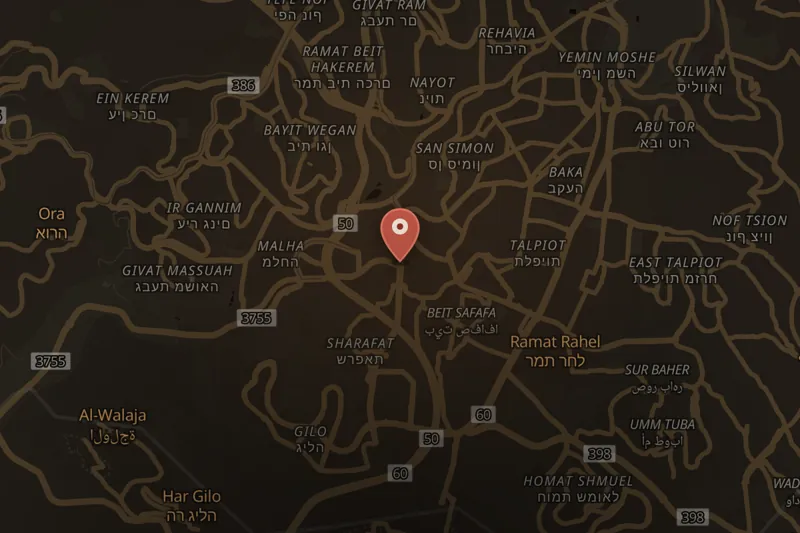
On the morning of June 18, 2002, at approximately 7:50 a.m., a Palestinian suicide bomber boarded Egged bus line 32A in Jerusalem. The bus had originated in the Gilo neighborhood and stopped at Beit Safafa, an Arab neighborhood of the city, before the bomber got on. He detonated an explosive belt at the front of the bus during the morning rush hour, as schoolchildren and commuters were traveling from Gilo toward downtown Jerusalem. The device was reportedly packed with metal balls and nails to maximize shrapnel injuries. The blast lifted the bus off the ground, tore off its roof, and sent bodies through the windows. Twenty people were killed, including the bomber, and more than 74 others were wounded. Of the dead, 17 were residents of the Gilo neighborhood.
The Palestinian Islamist organization Hamas claimed responsibility for the attack. The bomber was identified as Muhammad al-Ghoul, a 22-year-old student at An-Najah National University in Nablus, who came from Bethlehem. Two residents of the East Jerusalem suburb of Jabel Mukaber were subsequently tried and convicted for transporting the suicide bomber to the site of the attack. On June 30, 2002, during a commando raid in Nablus, Israeli soldiers killed Muhaned Taher, a senior Hamas bomb-maker whom Israel identified as responsible for this attack and others.
In the aftermath, the charred remains of the bus were shipped to the United States and put on display at the biannual Jewish Expo fair in New York, at the initiative of Zaka, an Israeli rescue and body-parts-recovery organization. Zaka's volunteers work at bombing scenes to recover fragments of blood and flesh for burial in accordance with Jewish law; the organization stated its purpose in displaying the bus was to increase public awareness of its work and to illustrate the effects of suicide bombings.
Key facts
- Victims
- On file
- Date
- 2002
- Location
- Patt Junction, Jerusalem
- Case status
- solved
Case timeline
2002-06-18
A Hamas suicide bomber detonated an explosive device aboard Egged bus line 32A at Patt Junction, Jerusalem, killing 20 people including the bomber and wounding over 74.
2002-06-19
Contemporaneous news coverage of the bombing published, including in The New York Times.
2002-06-30
Israeli soldiers killed senior Hamas bomb-maker Muhaned Taher during a commando raid in Nablus; Israel said he was behind this attack and others.
2002-07-02
Further coverage of the aftermath published in The Guardian.
Best coverage
No coverage has been attached to this file yet.
People
Muhammad al-Ghoul
CHARGEDIdentified as the suicide bomber who carried out the attack; a 22-year-old student at An-Najah National University in Nablus, from Bethlehem. Died in the bombing.
Muhaned Taher
CHARGEDIdentified by Israel as a senior Hamas bomb-maker responsible for this and other attacks; killed by Israeli soldiers during a commando raid in Nablus on June 30, 2002.
Roles reflect public records and court outcomes at the time of writing — supporting citations are on file under Sources.
Places
Common questions
- What happened to the victim?
- On June 18, 2002, a Hamas suicide bomber detonated an explosive belt packed with metal balls and nails aboard Egged bus line 32A at Patt Junction in Jerusalem, killing 20 people, including the bomber, and wounding more than 74 others.
- Where did the bombing happen?
- Patt Junction, Jerusalem.
- What is the current status of the case?
- Status: solved.
Related cases
View all cases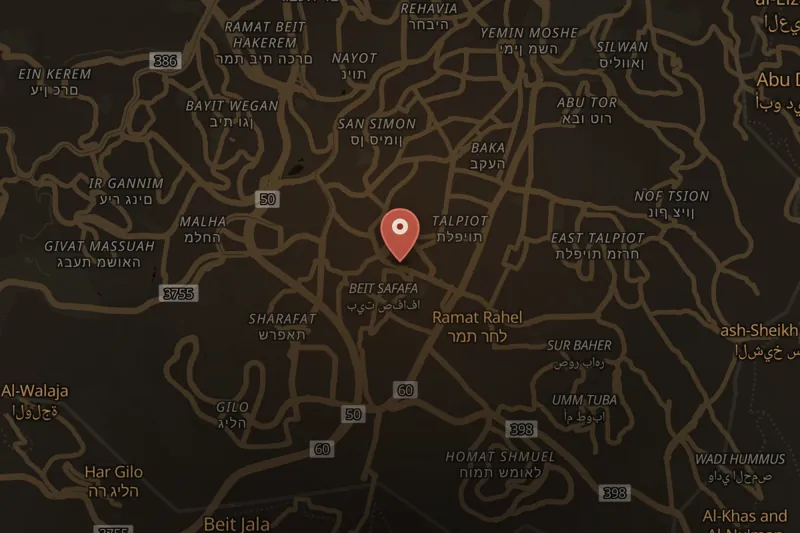
2016 Jerusalem bus bombing
Talpiot, Jerusalem

Ramat Rachel shooting attack
Kibbutz Ramat Rachel, near Jerusalem
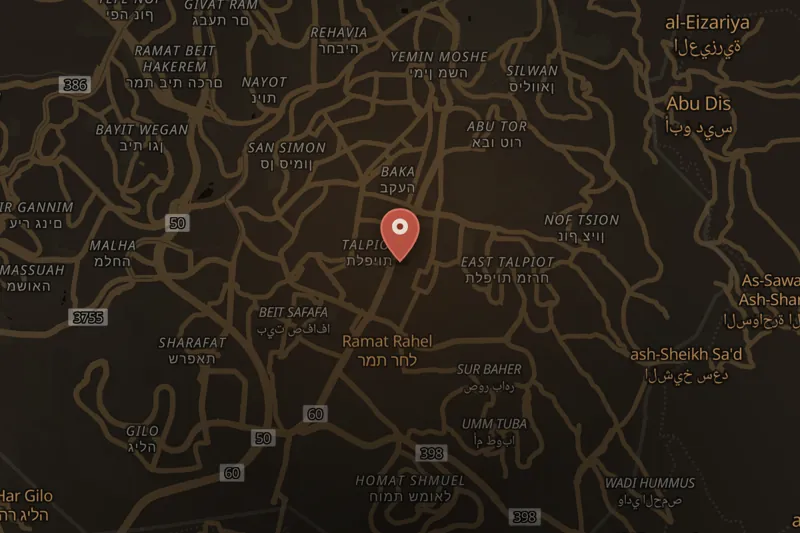
Killing of Alexander Levlovich
Armon Hanatziv, East Jerusalem

United Airlines Flight 93
Shanksville, Somerset County, Pennsylvania

2011 Norway Attacks
Oslo and Utøya, Norway

Assassination of Benazir Bhutto
Liaquat National Bagh, Rawalpindi, Pakistan
Sources
- ENCYCLOPEDICPatt Junction bus bombingWikipedia · 2026-07-07
- PRESSContemporaneous coverage — The New York TimesThe New York Times · 2026-07-07
- PRESSContemporaneous coverage — The GuardianThe Guardian · 2026-07-07
Record history
- First published
- JUL 07, 2026
When a file you follow changes — a new development, a correction, fresh coverage — the Dispatch is how you hear about it.
The Casepin Dispatch
A calm weekly briefing from the archive — one case worth understanding, meaningful updates to files you follow, and the best new coverage. You’ll also get the one-time note when the apps land. No gore, no rumor, no drip.