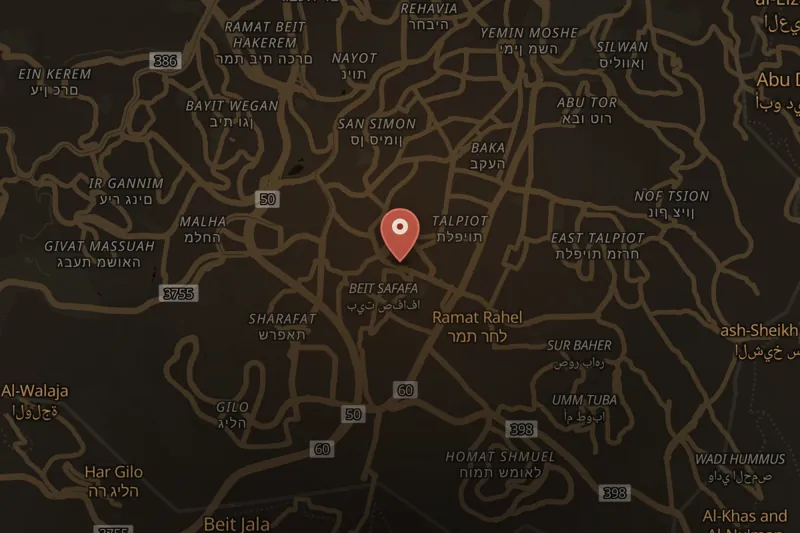
On the afternoon of 29 March 2002, a suicide bombing occurred at the entrance of the Shufersal supermarket in the Kiryat HaYovel neighborhood of Jerusalem. The supermarket was crowded with weekend shoppers at the time of the attack.
The bomber, identified as 17-year-old Ayat al-Akhras, a Palestinian from the Dheisheh Refugee Camp near Bethlehem, approached the store's entrance. Haim Smadar, a 55-year-old Arabic-speaking security guard stationed at the entrance, became suspicious after al-Akhras warned two Arab women who normally sold vegetables outside the store to leave the area. A struggle ensued between Smadar and al-Akhras, during which she detonated the explosives. The blast killed Smadar and Rachel Levy, a 17-year-old Israeli girl, and injured approximately 30 other people, two of them seriously. Smadar's actions in physically restraining al-Akhras away from the crowd are reported to have prevented greater loss of life had the explosion occurred inside the store. Following the attack, it was discovered that al-Akhras had also been carrying an unexploded mortar bomb.
Hamas claimed responsibility for the bombing and identified al-Akhras as the perpetrator. News of the attack reportedly led to celebrations among some residents of Dheisheh, including the distribution of candy and celebratory gunfire.
US President George W. Bush condemned the attack, stating that the deaths of both the Israeli victim and the bomber represented a loss for the future of both peoples, and he called on Palestinian Authority leader Yasser Arafat to send a clear message rejecting suicide bombings as a tactic.
In the aftermath, al-Akhras became a prominent figure in Bethlehem, where she was described by some as a martyr and role model at Al Quds University, and was praised by an American university professor. The following Saudi Ambassador to the United Kingdom, Dr Ghazi Abdul Rahman Al Gosaibi, wrote a poem in her praise in 2002, a tribute that later drew public protest.


 SOLVEDListen