Stuart Anthony Tay (December 8, 1975 – December 31, 1992) was a student at Foothill High School in Orange County, California, whose family had immigrated from Singapore and settled in the area beginning in 1976. Tay was killed by five teenagers who were students at Sunny Hills High School, several of whom had aspirations of attending elite universities, including Ivy League schools.
According to prosecutors, Tay and Robert Chien-Nan Chan devised a scheme to rob a computer parts dealer in Anaheim and recruited four other participants: Kirn Young Kim, Abraham Acosta, Mun Bong Kang, and Charles Bae Choe. In court, Chan said Choe had helped recruit the other participants. Prosecutors said Chan decided to kill Tay after learning that Tay had used an alias and misrepresented his age, and that the group feared Tay would betray them. A private investigator hired by the Tay family suggested the attack stemmed partly from a dispute over a girl who had refused to date Chan, but police stated this theory was not true. The planned robbery never took place.
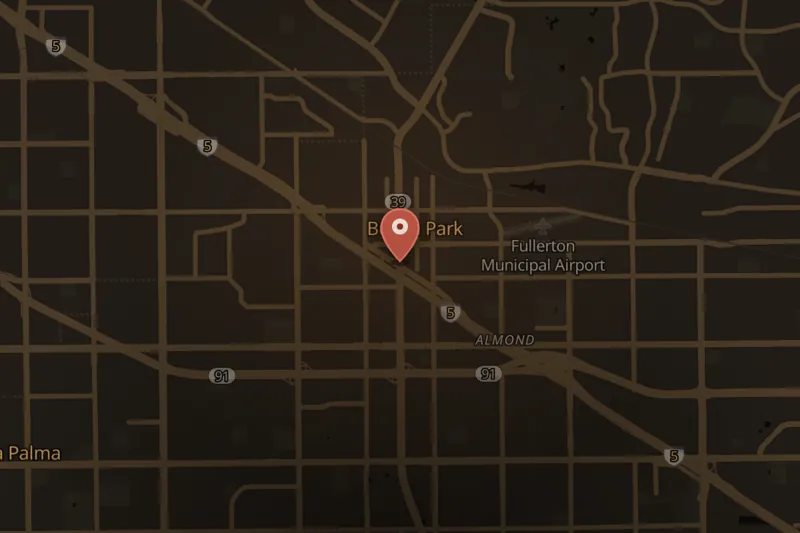
On New Year's Eve 1992, the group lured Tay to the backyard of Acosta's Buena Park residence, where Kim served as lookout. Prosecutors said the group had dug a grave 24 hours in advance, held rehearsals, and purchased gloves to avoid leaving fingerprints. Tay was struck with a baseball bat and a sledgehammer by Chan and Acosta. When he did not die immediately, the group forced him to drink rubbing alcohol and taped his mouth shut before he died and was buried in the pre-dug grave. Acosta took $100 from Tay's wallet, and the group drove Tay's car to Compton to simulate a carjacking. Authorities determined Tay died of asphyxiation on vomit, likely hastened by head injuries and the taping of his nose and mouth.
Choe pleaded guilty to first-degree murder and testified for the prosecution in exchange for juvenile rather than adult prosecution; Kang also pleaded guilty. On May 3, 1994, a jury convicted Chan of first-degree murder after less than three hours of deliberation; he was sentenced to life without parole. On July 1, 1994, Kim and Acosta were convicted of first-degree murder, with Acosta additionally convicted of ambush (Kim was acquitted of that charge) and both acquitted of murder for financial gain despite the theft of $100. Acosta and Choe were committed to California Youth Authority facilities. In January 1995, Kim and Kang were sentenced to 25 years to life in adult prison after Judge David G. Sills of the 4th District Court of Appeal declined their request for juvenile system placement due to the severity of the crime.
In 1995, a court awarded Tay's parents, Alfred and Linda Tay, over $1 million from four of the perpetrators, with a separate $100,000 settlement reached with a fifth. Linda Tay later advocated for stricter juvenile sentencing at a 1994 conference attended by then-Governor Pete Wilson. Kim was paroled in 2012. The case drew wide media attention as an example of juvenile crime among teenagers from what were described as "model" homes, and loosely inspired the film Better Luck Tomorrow (2002).

Key facts
- Victims
- Stuart Tay
- Date
- 1992
- Location
- Buena Park, California
- Case status
- solved
Case timeline
1975-12-08
Stuart Anthony Tay is born.
1976
The Tay family begins residing in Orange County, California.
1992-12-31
Stuart Tay is lured to a Buena Park residence and killed by five teenagers.
1993-01-10
Contemporaneous news coverage of the case is published.
1994-05-03
Robert Chan is convicted of first-degree murder.
1994-07-01
Kirn Kim and Abraham Acosta are convicted of first-degree murder.
1994-08-12
Robert Chan is admitted into the California Department of Corrections and Rehabilitation system.
1995-01
Kirn Kim and Mun Kang are sentenced to 25 years to life in prison.
1995-02-09
Kirn Young Kim is admitted into the California Department of Corrections and Rehabilitation system.
1995
A court awards Tay's parents over $1 million from four of the perpetrators; a $100,000 settlement is reached with a fifth.
2012
Kirn Young Kim is paroled.
Best coverage
No approved coverage links are attached yet.
People
Abraham Acosta
CONVICTEDConvicted of first-degree murder and ambush on July 1, 1994 (acquitted of murder for financial gain); committed to a California Youth Authority facility.
Charles Bae Choe
CONVICTEDPleaded guilty to first-degree murder and testified for the prosecution in exchange for juvenile prosecution; committed to a California Youth Authority facility.
Kirn Young Kim
CONVICTEDConvicted of first-degree murder on July 1, 1994 (acquitted of ambush); sentenced to 25 years to life in January 1995; paroled in 2012.
Mun Bong Kang
CONVICTEDPleaded guilty; sentenced to 25 years to life in prison in January 1995.
Robert Chien-Nan Chan
CONVICTEDConvicted of first-degree murder on May 3, 1994; sentenced to life in prison without parole.
Stuart Tay
VICTIM17-year-old Orange County, California student killed on New Year's Eve 1992 by five fellow teenagers.
Roles reflect public records and court outcomes at the time of writing — supporting citations are on file under Sources.
Places
Common questions
- What happened to the victim?
- Stuart Tay, a 17-year-old Orange County, California teenager, was killed on New Year's Eve 1992 by five fellow students who feared he would betray them in a planned computer-parts theft. All five perpetrators were convicted or pleaded guilty; the case loosely inspired the 2002 film Better Luck Tomorrow.
- Where did the murder happen?
- Buena Park, California.
- Who was convicted?
- Abraham Acosta (Convicted of first-degree murder and ambush on July 1, 1994 (acquitted of murder for financial gain); committed to a California Youth Authority facility.), Charles Bae Choe (Pleaded guilty to first-degree murder and testified for the prosecution in exchange for juvenile prosecution; committed to a California Youth Authority facility.), Kirn Young Kim (Convicted of first-degree murder on July 1, 1994 (acquitted of ambush); sentenced to 25 years to life in January 1995; paroled in 2012.), Mun Bong Kang (Pleaded guilty; sentenced to 25 years to life in prison in January 1995.), and Robert Chien-Nan Chan (Convicted of first-degree murder on May 3, 1994; sentenced to life in prison without parole.).
- What is the current status of the case?
- Status: solved. Last verified July 2026.
Sources
- Murder of Stuart Taywikipedia · Wikipedia · 2026-07-05
- Contemporaneous coverage — Los Angeles Timesnews · Los Angeles Times · 2026-07-05
- Contemporaneous coverage — inmatelocator.cdcr.ca.govnews · inmatelocator.cdcr.ca.gov · 2026-07-05
Last verified JUL 2026