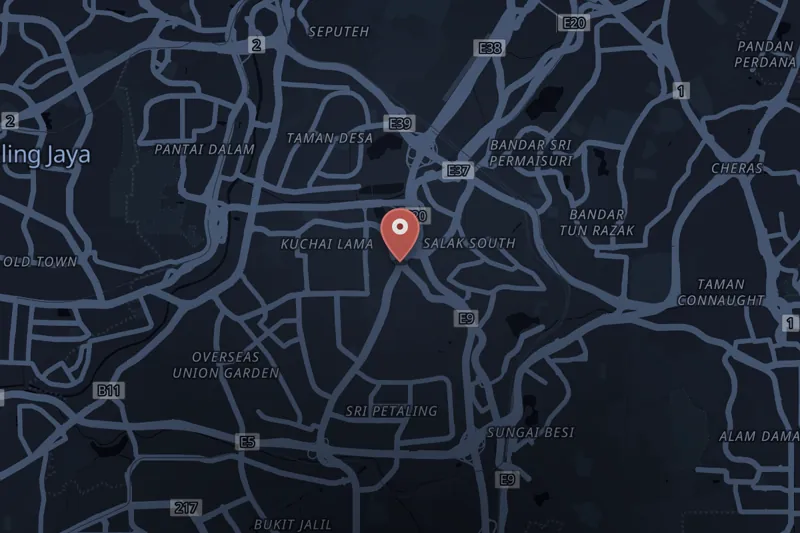
Between 21 and 22 May 2017, 20-year-old Zulfarhan Osman Zulkarnain, a third-year navy cadet officer at the National Defence University of Malaysia (UPNM) in Sungai Besi, Kuala Lumpur, was held and tortured by fellow students at the university's dormitory over a laptop belonging to one of his abusers, Muhammad Akmal Zuhairi Azmal, that had gone missing. A bomoh (traditional healer), consulted by Muhammad Akmal, had wrongly indicated Zulfarhan as the thief. Zulfarhan consistently denied stealing the laptop. On 22 May 2017, six students used a steam iron to scald him repeatedly across his body, including his private parts, over several hours. He did not report to class in the following days due to his injuries. On 27 and 31 May 2017, he was brought to a clinic by some of the accused, who misrepresented the injuries as resulting from an army training explosion; the treating doctor advised hospitalization each time, but Zulfarhan and his companions declined. On 1 June 2017, he was taken to Serdang Hospital, where he died. A forensic pathologist found 90 burn marks on his body, 29 of them third-degree, which she testified were sufficient to cause death.
Police classified the death as murder and questioned 36 students. Eighteen students were ultimately charged with murder or causing hurt: five men (Muhammad Akmal Zuhairi Azmal, Muhammad Azamuddin Mad Sofi, Muhammad Najib Mohd Razi, Muhammad Afif Najmudin Azahat, and Mohamad Shobirin Sabri) were charged with murder, a sixth (Abdoul Hakeem Mohd Ali) with abetment of murder, and twelve others with causing hurt. A 19th suspect, Muhammad Akmal Akif Alias, was charged with causing hurt but was acquitted in 2019 without his defence being called.
The trial ran at the Kuala Lumpur High Court from January 2018 to November 2021. On 2 November 2021, Justice Azman Abdullah convicted the six main defendants of manslaughter rather than murder, sentencing each to 18 years' imprisonment, and sentenced the twelve others to three years each for causing hurt. Zulfarhan's mother, Hawa Osman, gave a victim impact statement describing the family's reliance on her eldest son and the toll of his death on her health.
The prosecution appealed, and on 23 July 2024 the Court of Appeal overturned the manslaughter verdicts, convicting the six main defendants of murder and sentencing them to death, calling the case among the "rarest of the rare." The twelve causing-hurt sentences were raised to four years each. The convicted men appealed to the Federal Court, which on 28 February 2025 overturned the murder convictions and death sentences, restoring the manslaughter convictions and 18-year sentences, finding that intent to murder had not been proven beyond reasonable doubt.
The case, alongside the contemporaneous killing of another Malaysian student, T. Nhaveen, prompted national discussion of bullying in schools and universities, with government officials and human rights bodies calling for reforms and greater institutional accountability.


 SOLVEDListen