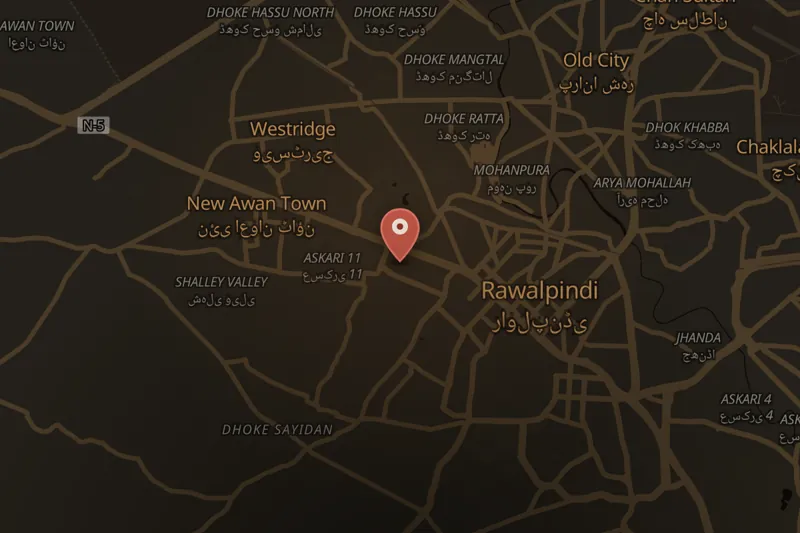
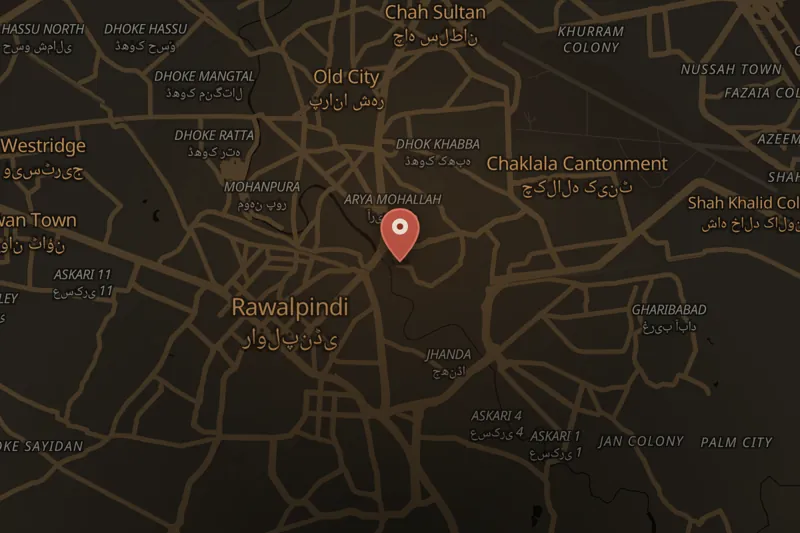
In March 1947, ahead of the partition of British India, widespread violence against Hindus and Sikhs occurred across the Rawalpindi Division of Punjab Province. The violence was instigated and carried out by the Muslim League National Guards, a paramilitary group affiliated with the Muslim League, along with local Muslim League cadres, demobilised Muslim soldiers, local officials, and policemen. It followed the collapse of a coalition government led by the Unionist Party, Indian National Congress, and Akali Dal, after a sustained Muslim League campaign against it.
The violence began on 5 March 1947, coinciding with Holi, when armed Muslim mobs attacked Hindus and Sikhs in cities including Rawalpindi and Multan. It then spread to rural areas of the Rawalpindi, Jhelum, and Cambellpur (present-day Attock) districts. Mobs engaged in arson, looting, mass killings, and rape across numerous villages. Notable incidents included the killing of 22 Hindu and Sikh train passengers at Taxila on 7 March, and the burning of homes in Kahuta with occupants inside. At Thoha Khalsa, an armed mob besieged the village and demanded conversion to Islam; Sikh men reportedly killed female relatives to prevent their abduction and rape before being killed themselves, and more than 90 Sikh women and children died by mass suicide after jumping into a well. The death toll at Thoha Khalsa is estimated at around 300. Similar massacres and mass suicides occurred at Choa Khalsa, Dhamali, Bewal, and other villages, with survivors describing mutilation and the abduction of women and girls, some as young as eleven.
According to the All India Congress Committee's report on the violence, attacks followed a pattern: minorities were first disarmed under false assurances, then attacked, looted, and set on fire, followed by forced conversions performed by religious figures. The attacks were described as premeditated, with attackers receiving weapons and funds from outside sources, partly linked to the Muslim League. Muslim policemen were reported to have aided the violence or responded slowly to appeals for help in many locations.
The violence largely ceased by mid-March, in some cases after army intervention. Official figures recorded 2,263 non-Muslim deaths in Rawalpindi district alone, though this was considered an undercount; a contemporaneous Shiromani Gurudwara Prabandhak Committee report put deaths above 7,000, and later scholarly estimates range from 4,000 to 8,000 in rural Rawalpindi Division. Large numbers of women were abducted from specific villages, with figures cited including 70 from Doberan, 40 from Harial, 95 from Rajar, and 500 from Kahuta. An estimated 80,000 Sikhs and Hindus fled the Division by the end of April 1947, part of a broader displacement of at least 200,000 from West Punjab, NWFP, and Baluchistan.
Despite survivors identifying attackers by name in police reports, few perpetrators were prosecuted, a failure attributed partly to communal bias within the legal and administrative system and to impending British withdrawal. The events are considered an early instance of ethnic cleansing during the partition period and have been depicted in later literary and cinematic works, including the film Tamas and the novel Khoon de Sohille.


 Credit: Unknown author - but due to age, image in public domainPublic domainSourceUNSOLVEDListen