

 SOLVEDListen
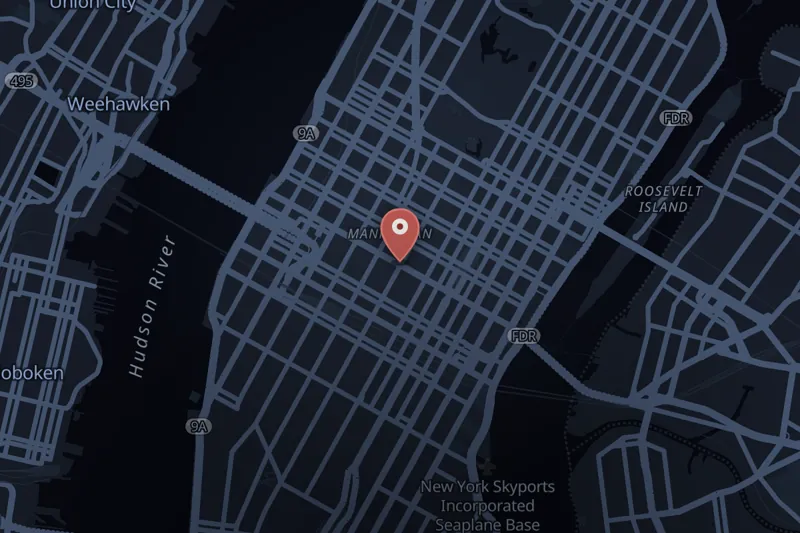
Midtown Manhattan, New York City · 1990s
Murder of Howard Pilmar
Howard Pilmar was killed at his Manhattan business in 1996, and his wife and brother-in-law were convicted more than two decades later.
1 thing to watch or hear
Solved case · 1912
Also known as Becker–Rosenthal trial
The short answer
Herman Rosenthal, a Manhattan bookmaker who had accused NYPD officers of extorting protection money from his illegal gambling operations, was shot dead outside the Hotel Metropole in July 1912. NYPD Lieutenant Charles Becker and four gunmen were later convicted of ordering and carrying out the murder and were executed at Sing Sing Prison.
No one's coverage is attached to this file yet.
Know great coverage of this case?
A documentary, a podcast episode, a careful long-form video. Suggest it and an editor will review it before it appears here.
Suggest coverage for Rosenthal murder caseHerman Rosenthal was a small-time bookmaker and gambler operating illegal casinos in Manhattan. In July 1912, the New York World named NYPD Lieutenant Charles Becker as one of three senior police officials implicated in Rosenthal's complaints that police were demanding a large share of his illegal profits in exchange for allowing his operations to continue. Two days after this article was published, at around 2 a.m. on July 16, 1912, Rosenthal was shot and killed on the street after leaving the Hotel Metropole at 147 West 43rd Street, near Times Square. Contemporary reports described the suspected gunmen as a Lower East Side gang.
Manhattan District Attorney Charles S. Whitman, who had an appointment scheduled with Rosenthal before the killing, stated his belief that the gangsters had acted at Becker's behest. An early witness, John J. Reisler ("John the Barber"), told police he saw "Bridgey" Webber fleeing the scene, but recanted his statement the following week, reportedly after being threatened; he was subsequently charged with perjury.
The case drew extensive newspaper coverage, including sustained front-page attention from The New York Times, as investigators uncovered links between the killing and organized gambling and police corruption. The NYPD recalled about 30 retired detectives to assist the investigation. One of them, Detective Frank Upton, formerly of the department's "Italian Squad," was involved in the July 25, 1912 arrest of suspect Francisco "Dago Frank" Cirofici, who was arrested along with a companion; both were reported to have been too affected by opium to resist arrest. Policewoman Mary A. Sullivan went undercover to gain the trust of women connected to the suspects, contributing to the investigation's progress.
The Becker–Rosenthal trial took place in New York City, running from October 7 to October 30, 1912, and resuming from May 2 to May 22, 1914, with additional procedural matters continuing into 1915. Five men were convicted of murder and sentenced to death: former Lieutenant Charles Becker, who was charged with ordering the killing and with protecting and extorting money from illegal gamblers, along with gunmen Francisco Cirofici ("Dago Frank"), Harry Horowitz ("Gyp the Blood"), Louis Rosenberg ("Lefty Louie"), and Jacob Seidenshner ("Whitey Lewis"). All five were executed at Sing Sing Prison.
Several other figures played roles in the case without being charged with the murder, including gambler-informants Jack Rose, Sam Schepps, Harry Vallon, and Louis "Bridgey" Webber, who testified against the defendants, and gang leader Jack Zelig, who was killed before he could testify for the prosecution. Charles Whitman, the prosecuting district attorney, was later elected Governor of New York in 1914.
New York World names NYPD Lieutenant Charles Becker among senior police officials implicated in Herman Rosenthal's allegations of police extortion from illegal gambling.
Herman Rosenthal is shot and killed on the street outside the Hotel Metropole in Manhattan at approximately 2 a.m.
Detective Frank Upton assists in the arrest of suspect Francisco 'Dago Frank' Cirofici.
Becker–Rosenthal trial begins in New York City, running from October 7 to October 30.
Trial proceedings resume, running from May 2 to May 22.
Additional procedural events in the case take place.
Victims first. Every legal label is set from public records and court outcomes, not from the prose.
Bookmaker and gambler murdered outside the Hotel Metropole in Manhattan on July 16, 1912.[2]
Former NYPD lieutenant convicted of ordering Rosenthal's murder and of protecting/extorting illegal gamblers; executed at Sing Sing Prison.[2]
Gunman known as 'Dago Frank,' convicted of murder and executed at Sing Sing Prison.[2]
Gunman known as 'Gyp the Blood,' convicted of murder and executed at Sing Sing Prison.[2]
Gunman known as 'Whitey Lewis,' convicted of murder and executed at Sing Sing Prison.[2]
Gunman known as 'Lefty Louie,' convicted of murder and executed at Sing Sing Prison.[2]
Charged with perjury by Manhattan District Attorney Charles Whitman after recanting his account of seeing 'Bridgey' Webber flee the Rosenthal murder scene; the charge was dropped and no charges remain pending after he agreed to testify to his original account.[2]
Manhattan District Attorney who prosecuted the case and stated his belief the gangsters acted at Becker's behest; later elected Governor of New York.[2]
NYPD detective, formerly of the 'Italian Squad,' recalled from retirement to assist the investigation and involved in the arrest of Francisco Cirofici.[2]
NYPD policewoman who went undercover to gain the trust of women connected to the suspects.[2]
From the record
Coverage is not a source: every fact in this file rests on the records below.
Are you family of someone named in this file? Corrections and removal requests from victims’ families are prioritized.
SOLVEDListenMidtown Manhattan, New York City · 1990s
Howard Pilmar was killed at his Manhattan business in 1996, and his wife and brother-in-law were convicted more than two decades later.
 Credit: no human authorship, CCTV at HI New York City HostelPublic domainSourceONGOINGListen
Outside the New York Hilton Midtown, West 54th Street, Manhattan · 2020s
Brian Thompson, CEO of UnitedHealthcare, was shot and killed outside the New York Hilton Midtown on December 4, 2024. Luigi Mangione was arrested days later in Pennsylvania and charged in New York and federal court with murder, terrorism-related offenses, and weapons charges; he has pleaded not guilty.
 Image recordPublic domainSourceSOLVEDListen
New York Marriott East Side hotel, 525 Lexington Avenue, Manhattan · 1990s
On 5 November 1990, Israeli-American rabbi and politician Meir Kahane was shot and killed while speaking at a Manhattan hotel; El Sayyid Nosair was charged with the murder but was convicted only of related assault and weapons offenses, not the killing itself.
 Credit: Unknown authorPublic domainSourceSOLVEDListen
Los Angeles Times Building, First Street and Broadway, Los Angeles, California · 1910
On October 1, 1910, a dynamite bomb planted by union activist James B. McNamara exploded in an alley beside the Los Angeles Times Building, sparking a fire that killed 21 people. He and his brother John J. McNamara were later arrested and pleaded guilty.
 Credit: TthrailCC BY-SA 4.0SourceUNSOLVEDListen
Near Macon Road bridge over the Wolf River, Memphis, Tennessee · 1917
In May 1917, Ell Persons, a Black woodcutter accused of the rape and decapitation of 15-year-old Antoinette Rappel near Memphis, Tennessee, was seized from custody by a mob and burned alive before a crowd of about 5,000. No one was ever charged in either death, and the lynching contributed to the founding of the Memphis NAACP.
 Credit: UyvsdiPublic domainSourceUNSOLVEDListen
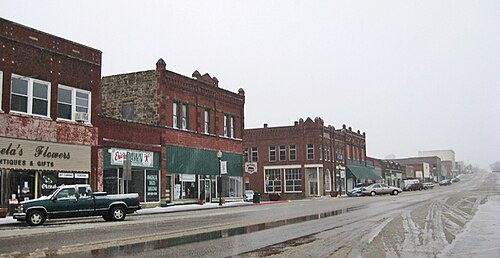
Bridge over the North Canadian River near Okemah, Okfuskee County, Oklahoma · 1911
Laura Nelson and her teenage son L. D. Nelson, an African-American mother and son, were seized from the Okfuskee County jail in Okemah, Oklahoma, on the night of May 24, 1911, by a mob of white men and hanged from a bridge over the North Canadian River the following morning. No one was ever identified or charged in connection with the killings.