
 SOLVEDListen
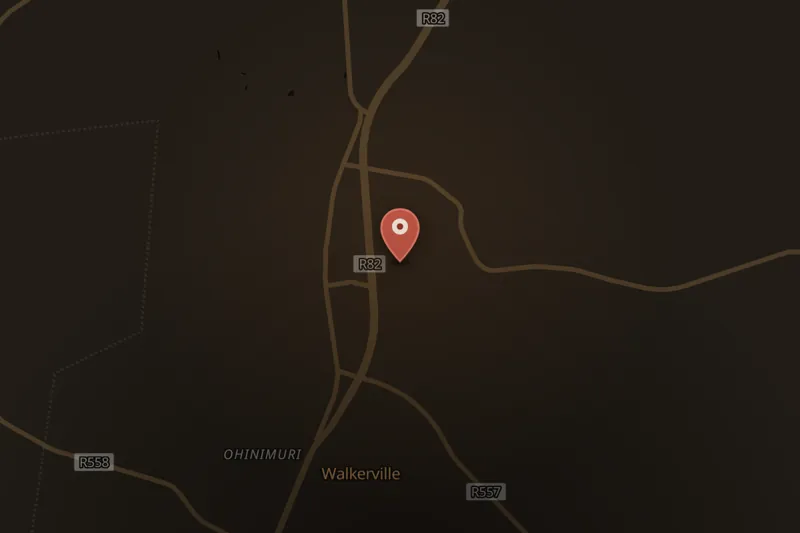
Walkerville, Gauteng, South Africa · 2000s
Murder of Leigh Matthews
Leigh Matthews, a South African university student, was kidnapped and shot dead in 2004; Donovan Moodley pleaded guilty and was sentenced to life imprisonment.
Before you continue
This case involves crimes against children. Casepin presents the record in neutral, non-graphic language. Choose whether to continue.

The short answer
On 21 March 1960, South African police opened fire without warning on a crowd of thousands protesting apartheid pass laws outside the Sharpeville police station, killing at least 69 (likely 91 or more) and wounding hundreds, most shot in the back while fleeing.
The coverage index
No one's coverage is attached to this file yet.
Know great coverage of this case?
A documentary, a podcast episode, a careful long-form video. Suggest it and an editor will review it before it appears here.
Suggest coverage for Sharpeville massacreThe case file
On 21 March 1960, approximately 5,000 people gathered outside the police station in the township of Sharpeville, in the then Transvaal Province of the Union of South Africa, to protest the apartheid system's pass laws. The demonstration was called by the Pan-Africanist Congress (PAC), whose founding president Robert Sobukwe led a simultaneous march at Orlando police station, while PAC member Philip Ata Kgosana led a related march in Langa Township in the Cape Province. Protesters intended to leave their passbooks at home and demand arrest for contravening pass laws requiring Black South Africans over sixteen to carry identity and employment documents subject to police checks at any time.
The crowd grew from around 5,000 in the morning to roughly 20,000 by early afternoon. Initially the mood was described as peaceful and festive, though this later became contested in press accounts. Police reinforcements arrived, eventually numbering about 130 officers backed by four Saracen armoured vehicles and armed with Sten submachine guns and Lee–Enfield rifles; there was no evidence anyone in the crowd carried anything beyond stones. Military aircraft flew low over the crowd in an attempt to disperse it. After police attempted to arrest a protester around 1:00 pm, the crowd surged forward. At 1:30 pm, without any warning to disperse, police opened fire, discharging 1,344 rounds within about two minutes. Many victims were shot in the back while fleeing, and some were left paralyzed.
Apartheid-era police records recorded 69 people killed, including 10 children, and 180 wounded, including 19 children. More recent research indicates the true toll was higher: at least 91 killed and more than 238 wounded. Photographer Ian Berry documented the shooting, initially believing police were firing blanks.
The massacre triggered a week of demonstrations, strikes and riots nationally. On 30 March 1960, the government declared a state of emergency and detained more than 18,000 people, including prominent anti-apartheid figures such as Nelson Mandela. International condemnation followed, including a United Nations Security Council resolution on 1 April 1960, and the episode contributed to South Africa's later departure from the Commonwealth. The PAC and ANC were subsequently banned, and the massacre is cited as a catalyst for the shift toward armed resistance, including the founding of Poqo and Umkhonto we Sizwe.
In 1998, South Africa's Truth and Reconciliation Commission found that police actions constituted "gross human rights violations" involving unnecessary excessive force against unarmed people, and further found evidence of deliberation in the decision to open fire rather than simple panic. Since 1994, 21 March has been observed in South Africa as Human Rights Day, and UNESCO marks the date internationally as the Day for the Elimination of Racial Discrimination. Nelson Mandela signed South Africa's post-apartheid Constitution into law at Sharpeville in 1996, and a memorial there opened in 2002. In 2024, the massacre site and memorial were designated part of a World Heritage Site as one of the Nelson Mandela Legacy Sites.
10 dated entries · 1943–2024
Sharpeville township was established to replace the nearby overcrowded township of Topville.
Forced removals of residents from Topville to Sharpeville began, affecting approximately 10,000 people.
Police opened fire without warning on a crowd of protesters outside Sharpeville police station at 1:30 pm, firing 1,344 rounds within about two minutes; police records logged 69 killed and 180 injured, though later research found at least 91 killed and 238 wounded.
The South African government declared a state of emergency, detaining more than 18,000 people including Nelson Mandela.
The United Nations Security Council passed Resolution 134 in response to the massacre.
South Africa departed from the Commonwealth of Nations, an event linked in part to international reaction to the massacre.
President Nelson Mandela signed the Constitution of South Africa into law at Sharpeville.
The Truth and Reconciliation Commission found that police actions at Sharpeville constituted gross human rights violations involving excessive and unnecessary force.
A memorial was opened at Sharpeville by former President Nelson Mandela as part of the Sharpeville Human Rights Precinct.
The massacre site and memorial were designated a World Heritage Site as part of the Nelson Mandela Legacy Sites.
2 named in this file
Victims first. Every legal label is set from public records and court outcomes, not from the prose.
PAC member and university student who led a simultaneous pass-law protest march in Langa Township, Cape Province.[3]
Lieutenant Colonel and commanding officer of police reinforcements at Sharpeville; stated he did not order the shooting and would not have done so.[3]
3 cited
Coverage is not a source: every fact in this file rests on the records below.
PressSouth African History OnlineAccessed Jul 11, 2026
PressThe Presidency of South AfricaAccessed Jul 11, 2026
EncyclopedicWikipediaAccessed Jul 10, 2026
Trust
Are you family of someone named in this file? Corrections and removal requests from victims’ families are prioritized.
Near this case
SOLVEDListenWalkerville, Gauteng, South Africa · 2000s
Leigh Matthews, a South African university student, was kidnapped and shot dead in 2004; Donovan Moodley pleaded guilty and was sentenced to life imprisonment.
 SOLVEDListen
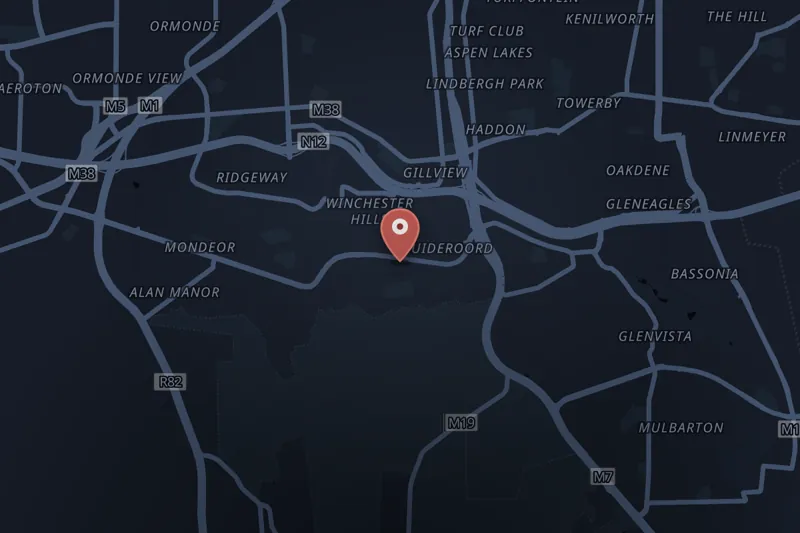
Johannesburg South, Gauteng Province, South Africa · 2020s
Babita Deokaran, a South African whistleblower and acting chief director of financial accounting at the Gauteng Department of Health, was shot dead outside her Johannesburg home in August 2021 while cooperating with an investigation into COVID-19 PPE procurement corruption. Six men were later convicted of the killing, but the individuals who allegedly hired them have not been charged.
 Credit: nytimes.com 2014-10-28·Editorial use·SourceONGOINGListen
Vosloorus, South Africa · 2010s
Senzo Meyiwa, goalkeeper and captain of Orlando Pirates and South Africa's national football team, was shot and killed during a robbery at his girlfriend's house in Vosloorus on 26 October 2014. An early suspect was arrested and later freed for lack of evidence; five men were charged with his murder in October 2020, and no trial outcome has been reported.
Ipatinga, Minas Gerais, Brazil · 1963
On October 7, 1963, military police in Ipatinga, Minas Gerais, opened fire on striking Usiminas steelworkers protesting poor working conditions and degrading searches, officially killing eight people—including an infant—and wounding 79, though the true toll is disputed.
 Credit: University Studios·Public domain·SourceSOLVEDListen
University of Texas at Austin Main Building (Tower), Austin, Texas · 1966
On August 1, 1966, Charles Whitman killed his mother and wife, then opened fire from the University of Texas Tower observation deck in Austin, killing 15 more people and wounding at least 31 before being shot dead by police roughly 96 minutes later.
 SOLVEDListen
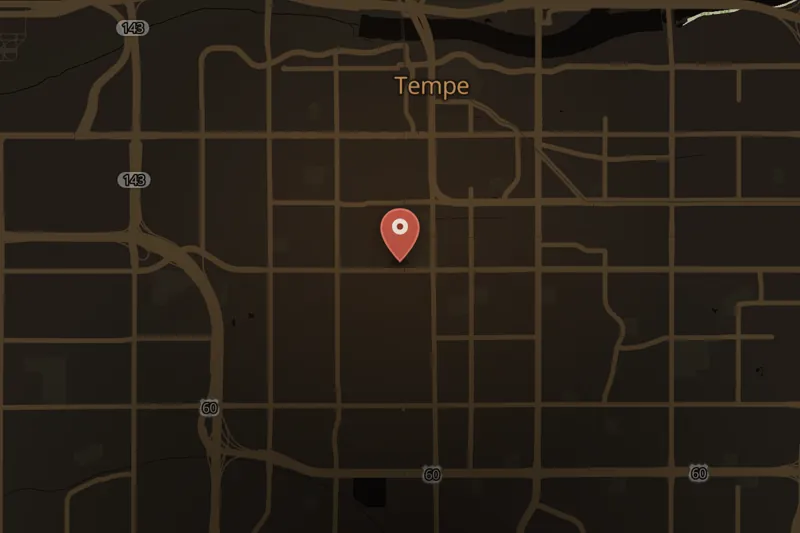
Rose-Mar College of Beauty, Mesa, Arizona · 1966
On November 12, 1966, 18-year-old Robert Benjamin Smith shot and killed five people—four women and a toddler—and wounded two others at the Rose-Mar College of Beauty in Mesa, Arizona, in what is considered the deadliest school shooting in Arizona history.
