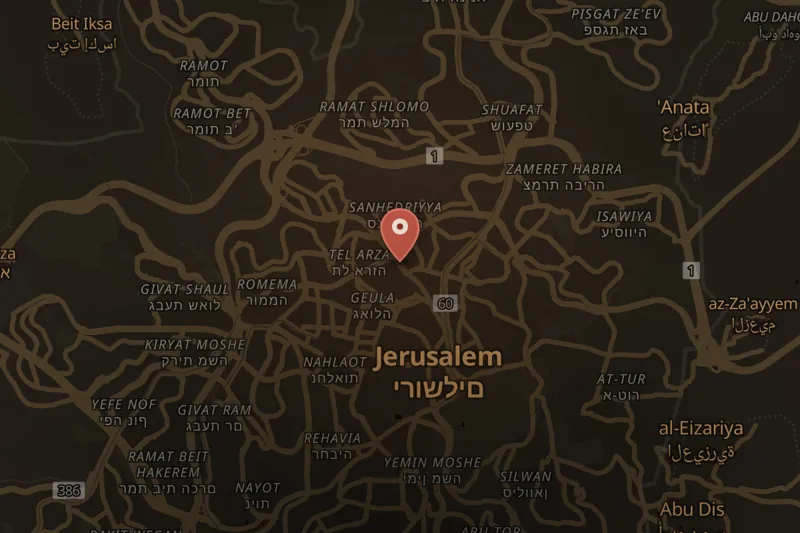
On the evening of August 19, 2003 (22 Av 5763), a suicide bomber boarded a double-length No. 2 Egged bus traveling through the Shmuel HaNavi neighborhood of Jerusalem. The bus was crowded with Orthodox Jewish families, including many children, returning from a visit to the Western Wall. The bomber, disguised as a Haredi Jew, entered through the rear door and detonated an explosive device packed with ball bearings intended to maximize injuries in the confined space of the bus.
The explosion killed 23 civilians in addition to the bomber, including a woman who was eight months pregnant; her unborn child is also counted among the dead in most tallies. Seven of the victims were children. More than 130 people were wounded, including approximately 40 children, according to contemporaneous reporting. Because of the high number of young victims, media outlets referred to the attack as the "children's bus" bombing. Witnesses described strollers scattered near the wrecked bus and medics carrying away children with blood-smeared faces; a baby girl reportedly died in hospital before her parents could be located.
The Izz ad-Din al-Qassam Brigades, the armed wing of Hamas, claimed responsibility and identified the bomber as Raed Abdel Hamid Misk, a 29-year-old man from Hebron who had reportedly worked as a mosque preacher. According to the group, Misk was born in Hebron on January 24, 1974, was educated locally, and had previously been arrested by Israeli authorities in 1989. Both Hamas and Islamic Jihad claimed responsibility for the bombing. The attack was reported to be the 100th Palestinian suicide bombing against Israelis since the escalation of violence that began in September 2000.
In the aftermath, the bombing effectively ended a period of relative calm ("Hudna") that had been announced in July 2003. Israeli forces arrested 17 Palestinians suspected of Hamas activity, including relatives of the bomber. Separately, Hamas leader Ismail Abu Shanab and two bodyguards were killed in an Israeli helicopter missile strike in Gaza following the bombing.
In 2004, a memorial plaque listing the victims' names was erected in the Beit Yisrael neighborhood of Jerusalem. The engraving became a point of controversy because the name of the only non-Jewish victim, Maria Antonia Reslas, was set apart from the other names and given the title "Mrs" rather than the title "sainted" (kadosh) used for the Jewish victims.
International reaction included condolences from U.S. President George W. Bush to victims' families, and a statement from the European Commission condemning the "devastating terrorist attack" and calling on the Palestinian Authority to act to prevent further such violence while urging continued dialogue toward peace.

 Credit: YnhockeyCC BY-SA 3.0SourceSOLVEDListen


