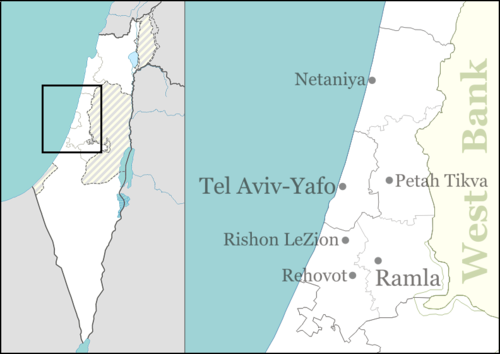
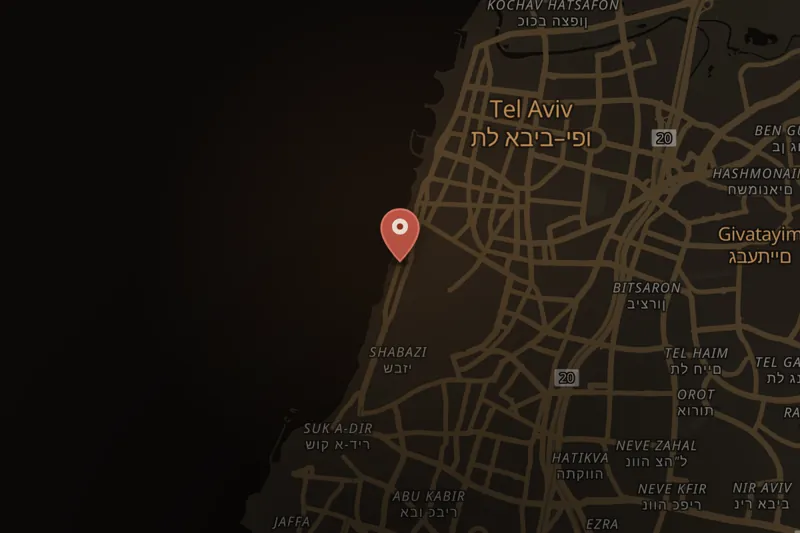
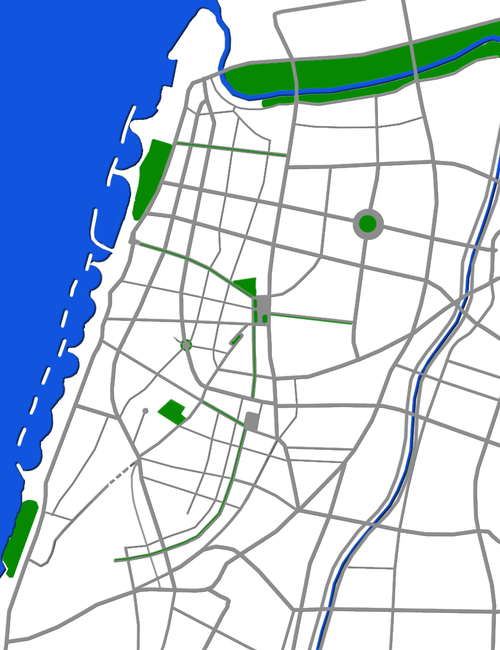
On the night of Friday, February 25, 2005, at approximately 11:30 pm, a suicide bomber detonated hidden explosives strapped to his body in a crowd of young Israelis gathered outside the "Stage" beachfront nightclub in Tel Aviv, at the corner of Herbert Samuel and Yonah Hanavi streets, opposite the city's beachfront promenade. The blast killed five people and injured more than 50 others.
Many of those killed and wounded belonged to an Israeli army reserve unit that had gathered at the nightclub to celebrate the 30th birthday of one of its officers, Yaron Greivsky. Greivsky later described the unit as close-knit, noting that its members had served in Lebanon, Gaza, and Hebron without injury, only to be struck by an attack in what was considered a safe area of central Tel Aviv.
Because the nightclub was located in central Tel Aviv, emergency medical services responded quickly, and all casualties were evacuated from the scene within 35 minutes. The wounded were taken to four hospitals: Wolfson Medical Center, Sheba Medical Center, Sourasky Medical Center, and Beilinson Medical Center, part of the Rabin Medical Center.
The bomber was identified as Abdullah Badran, a 21-year-old university student from the village of Deir al-Ghusun, near the West Bank town of Tulkarm. Badran was born in 1983 and died in the attack on February 25, 2005. His parents described him as a devout Muslim with no prior history of militant activity. The Palestinian militant organization Islamic Jihad (PIJ) claimed responsibility for the bombing. Following the attack, the Al-Jazeera network broadcast a video in which Badran stated he carried out the bombing in revenge for Israeli actions in the West Bank and Gaza Strip.
Israeli Defense Minister Shaul Mofaz stated that Syria, described as PIJ's backer, bore ultimate responsibility for the attack. In the aftermath, Palestinian Authority security officials, acting on orders from President Mahmoud Abbas, arrested three men with ties to Islamic Jihad in Tulkarem.

 Credit: User:SambachCC BY-SA 2.5SourceSOLVEDListen