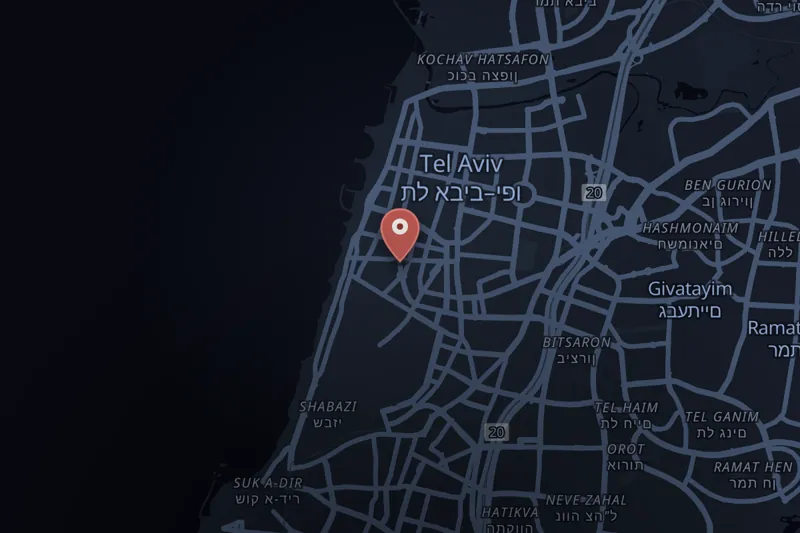
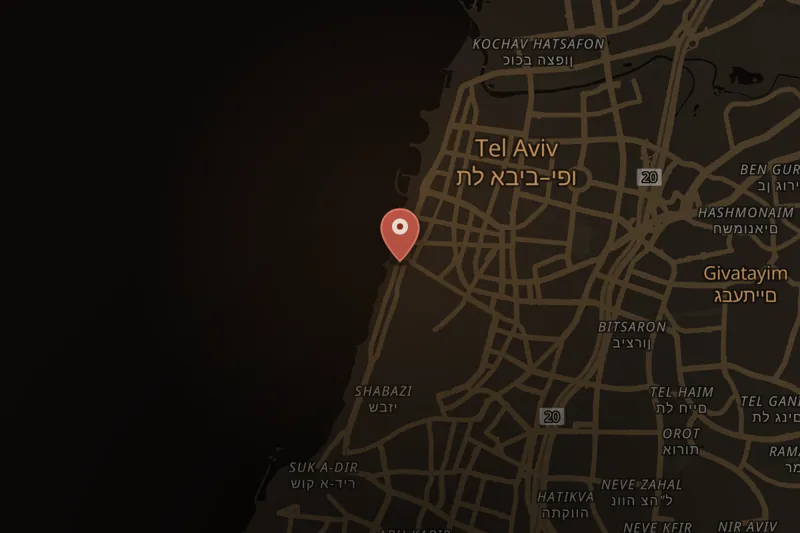
On April 30, 2003, at approximately 12:45 am, a suicide bomber detonated an explosive device at the entrance of Mike's Place, a bar located on the Tel Aviv beachfront in Israel. The blast killed three civilians and wounded more than 50 others. Security guard Avi Tabib, who was among the wounded, blocked the bomber from entering the bar, an action credited with preventing further fatalities inside.
The two assailants had entered Israel from Jordan via the Allenby Bridge and had rented a room in a nearby hotel to prepare for the attack. A search of the room by investigators afterward turned up an elastic belt, explosives, and a map of downtown Tel Aviv on which several crowded venues, including Mike's Place, had been marked.
Hamas and the Al Aqsa Martyrs' Brigades jointly claimed responsibility for the attack. A Hamas spokesman identified the perpetrators as British nationals Asif Muhammad Hanif, 22, of London, and Omar Khan Sharif, 27, of Derby, both of whom were said to be associated with the group Al-Muhajiroun.
Immediately following the first blast, Omar Sharif — who was carrying a second, concealed explosive belt — was reportedly intended to carry out a follow-up attack, but his device failed to detonate. Possibly injured by the first explosion, he discarded the explosive belt, which was later found to have been hidden inside a book and to contain standard explosives, and fled the scene. He then went to the David Intercontinental Hotel, where he struggled with a security guard in an apparent attempt to steal the guard's identification, without success. Sharif's body washed ashore on the Tel Aviv beachfront on May 12, 2003, and was identified on May 19, 2003; forensic examiners concluded he had drowned.
Despite the attack, Mike's Place reopened on Yom Haatzmaut, Israeli Independence Day.
A subsequent point of public discussion involved a visit the two attackers made, five days prior to the bombing, on April 25, to an office of the International Solidarity Movement (ISM), where they spoke with a volunteer for about 15 minutes and briefly joined a group of about 20 people commemorating the death of Rachel Corrie. ISM described the men as appearing to be "typical Brits," and a volunteer recalled they had been offered tea during an unscheduled visit on their way to the Corrie memorial.
The bombing and its aftermath, including the impact on the bar and people associated with it, were later documented in the film "Blues by the Beach," directed by Joshua Faudem and produced by Jack Baxter, who was seriously injured during the making of the film.

 Credit: User:SambachCC BY-SA 2.5SourceSOLVEDListen