In 1947, following the Partition of India, the princely state of Jammu and Kashmir became a site of widespread communal violence amid a broader rebellion in the Poonch and Mirpur regions against the rule of Maharaja Hari Singh. Muslim agitation against taxation in the western districts of the Poonch jagir escalated into an armed rebellion that expanded into Mirpur district. In October 1947, a force of Pathan tribesmen crossed into Kashmir from Pakistan's North-West Frontier Province and adjoining tribal areas, joining the rebellion. By the end of that month, rebel forces controlled most of the countryside in these districts, forcing non-Muslim residents to seek shelter in towns garrisoned by State troops.
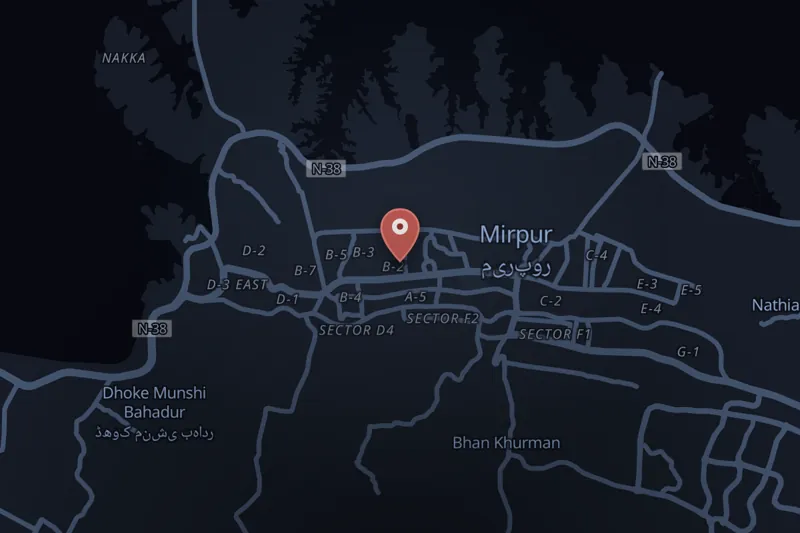
Beginning 24 October 1947, these garrison towns began to fall to the rebels and raiders: Bhimber fell on 24 October, Rajauri on 7 November, and Mirpur on 25 November. After Indian army forces repelled Pashtun raiders near Srinagar on 25 November, the raiders turned their attention to Mirpur, in what is present-day Azad Kashmir (Pakistan-administered Kashmir).
According to political scientist Christopher Snedden, there are unverifiable allegations that approximately 20,000 non-Muslims were killed on and shortly after 25 November 1947 in Mirpur, with a further 2,500 people abducted. In the district of Mirpur and nearby regions of Poonch, Hindu and Sikh women were reportedly raped and abducted during this period of violence.
This violence against Hindus and Sikhs in Mirpur and Rajouri occurred against the backdrop of a broader, interconnected communal catastrophe in the Jammu region during October–November 1947, during which many Muslims were separately massacred by extremist Hindus and Sikhs aided by forces loyal to Maharaja Hari Singh.
25 November is now commemorated as "Mirpur Day" in Indian-administered Kashmir, marking the anniversary of the violence in the town.
No individuals have been named, charged, or convicted in connection with these events.

 ONGOINGListen