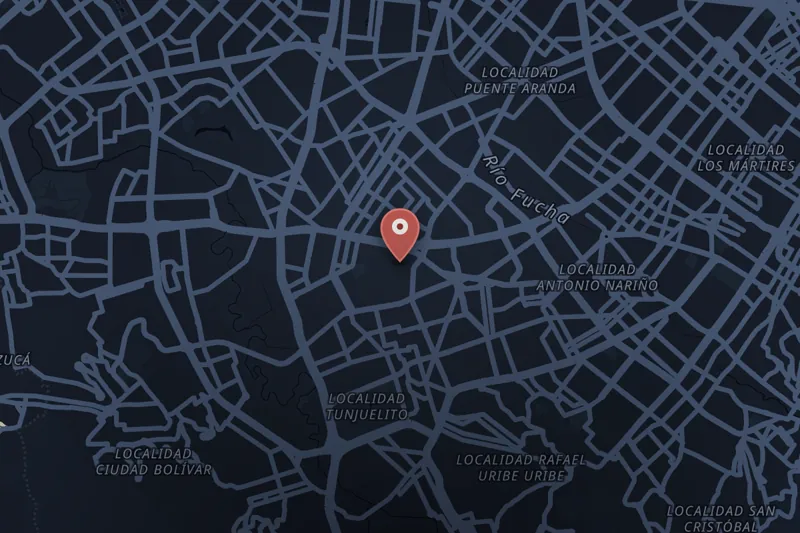
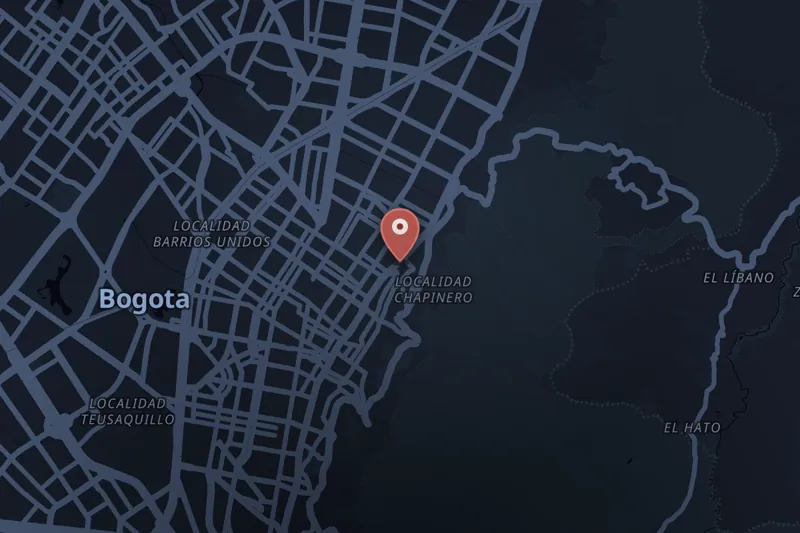
On 7 February 2003, a car bomb exploded in a garage on the third floor of the multi-story El Nogal Club in Bogotá, Colombia. The club was described as an elite, high-class social and business venue, and approximately 600 people were inside the building at the time of the blast. The explosion, caused by a vehicle packed with an estimated 200 kg of explosives, killed 36 people and wounded more than 200 others. The attack was described as the worst in Colombia in more than a decade.
No group publicly claimed responsibility for the bombing. In response, the United Nations Security Council adopted Resolution 1465 on 13 February 2003, condemning the attack.
Colombian Vice President Francisco Santos Calderón publicly blamed the guerrilla group FARC (Revolutionary Armed Forces of Colombia), stating there was "not the slightest doubt" of its involvement and asserting the government possessed sufficient evidence. Colombian authorities and investigators, assisted by agents from the U.S. Bureau of Alcohol, Tobacco, Firearms and Explosives (ATF), examined the bombing scene and the remains of the car used in the attack.
Colombian prosecutors linked FARC to the bombing partly through the involvement of John Freddy Arellan, a squash instructor at the club who died in the explosion. According to the government's account, Arellan had recently obtained club membership and drove the explosives-laden vehicle — reportedly purchased in late 2002 using false documents — into the club's parking area. Authorities alleged Arellan had been recruited by a FARC operative known as "Javier Paz," and that he was unaware the bomb would be detonated while he and his uncle remained inside the building.
On 10 March 2003, FARC issued a denial of responsibility for the attack, characterizing it instead as "state terrorism" and alleging that the Colombian government itself had planted the bomb in an effort to unify public opinion against the guerrilla group.
In March 2008, Colombian authorities released documents said to have been recovered from a computer belonging to slain FARC commander "Raúl Reyes." Among these documents was a message dated 13 February 2003, in which Reyes reportedly referred to the attack as a "formidable act" and referenced the "political convenience of denying responsibilities."
As of the available reporting, no group has been definitively and universally confirmed as responsible in a manner reflected by a criminal conviction, and the case remains characterized by competing public claims between the Colombian government and FARC.


 ONGOINGListen