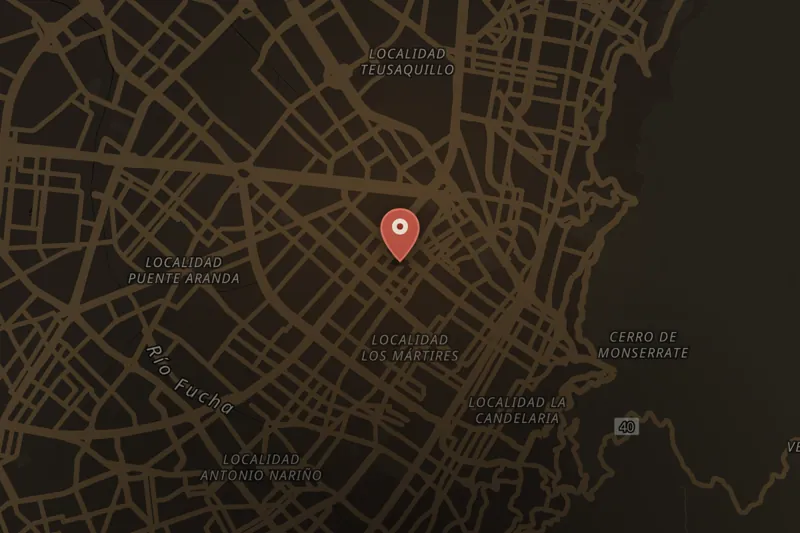
At approximately 7:30 a.m. on December 6, 1989, a truck bomb exploded near the headquarters of Colombia's Administrative Department of Security (DAS) in Bogotá. The explosion, estimated to have involved around 9,000 kg of dynamite, killed 57 people instantly and injured 2,248 others. The blast destroyed 14 city blocks and damaged or destroyed more than 300 commercial properties in the surrounding area. One additional victim later died of injuries sustained in the attack on April 27, 1990, bringing the eventual death toll higher than the initial count.
At the time, the DAS Building bombing was the deadliest car bomb attack recorded in Latin America. It held this distinction for approximately five years, until it was surpassed by the 1994 AMIA bombing in Buenos Aires, Argentina.
The attack is widely believed to have been carried out by the Medellín Cartel, in what investigators and observers have characterized as an assassination attempt against Miguel Maza Márquez, the director of DAS at the time. Maza Márquez survived the bombing unharmed. The same cartel is believed to have been responsible for the bombing of Avianca Flight 203 nine days earlier, on November 27, 1989, an attack that also targeted Colombian security and political figures amid the cartel's escalating campaign of violence against the state.
The DAS Building bombing occurred as the culmination of a sustained series of attacks against Colombian politicians, government officials, and journalists throughout 1989. That year of violence had begun on January 18, 1989, with the killing of 12 judicial officials in Simacota. The bombing is remembered as the final major attack in this campaign for the year.


 SOLVEDListen


