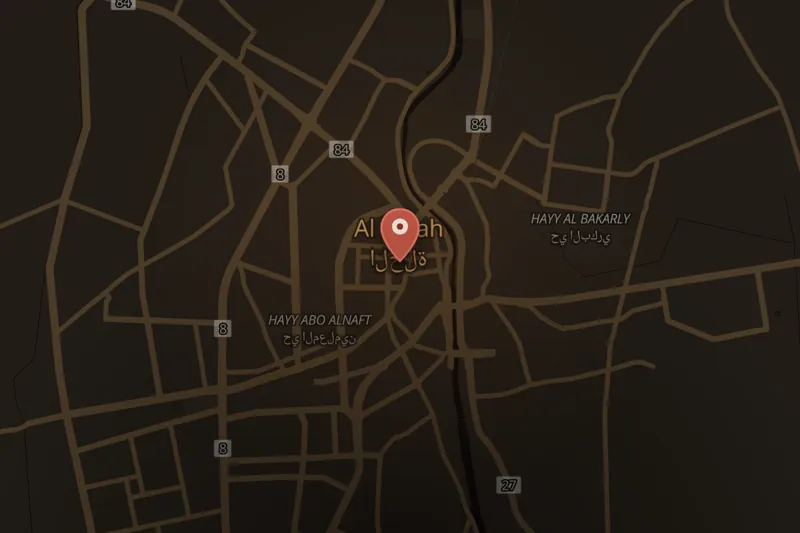
On February 28, 2005, a suicide bomber attacked a recruiting centre in Al Hillah, Iraq, killing 127 people. Most of those killed were men who had lined up to join the Iraqi police forces at the time of the attack.
The bomber was identified as Raed Mansour al-Banna. His origin in Jordan became a significant diplomatic issue between Iraq and Jordan after it emerged that he had traveled from Jordan to carry out the attack. When al-Banna's family in Jordan held what was described as a heroic funeral for him, the reaction angered many Iraqi Shia, who viewed the commemoration as an affront given the scale of civilian and recruit casualties in Al Hillah.
The funeral led to public unrest, with thousands of protesters gathering outside the Jordanian embassy in Baghdad. Demonstrators demanded that the embassy be closed in response to the perceived glorification of the bomber. The diplomatic fallout escalated to the point that both Iraq and Jordan recalled their respective ambassadors, marking a low point in relations between the two countries in the aftermath of the bombing.
Separately, it was later reported that al-Banna had previously attempted to enter the United States in July 2003. He was turned away at O'Hare Airport in Chicago after being flagged as possessing "multiple terrorist risk factors," according to the available record. This detail became part of the broader public account of the bomber's background following the Al Hillah attack.
No law enforcement outcome beyond the identification of the bomber is described in the available material.


 UNSOLVEDListen


