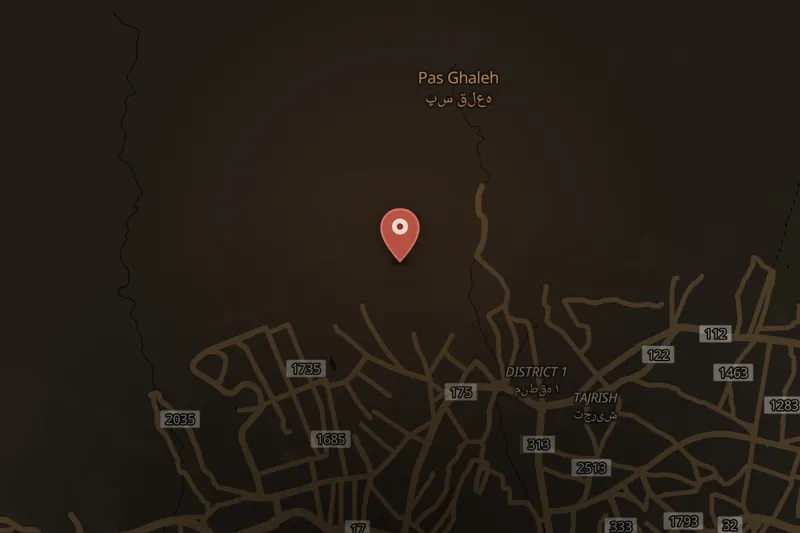
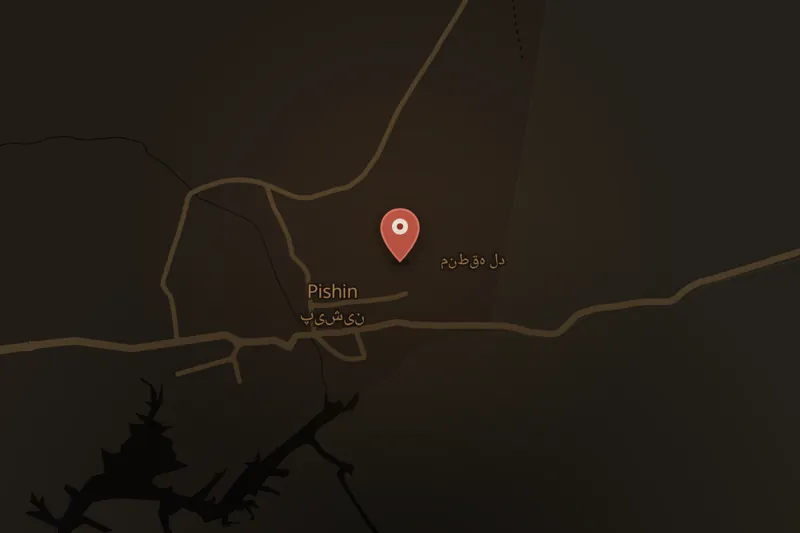
On October 18, 2009, a suicide bomber detonated explosives at a meeting in the town of Pishin, in Iran's Sistan and Baluchestan Province. The attack killed at least 43 people and injured approximately 150 others. One additional victim later died of injuries sustained in the attack, bringing the death toll cited in some accounts to 44.
Among those killed were several senior commanders of the Islamic Revolutionary Guard Corps (IRGC), including Noor Ali Shooshtari, deputy commander of the Revolutionary Guard's ground forces; Rajab Ali, the IRGC commander for Sistan-Baluchestan; the commander for the town of Iranshahr; and the commander of the Amir Al-Momenin unit. About ten senior tribal figures were also reported among the dead. The killed Revolutionary Guard leaders were buried two days later in a military funeral attended by thousands of mourners.
In the aftermath, Iranian officials and state media publicly attributed responsibility for the attack to the United States, the United Kingdom, and Israel, alleging support for the Jundallah militant group. The United States denied any involvement. President Mahmoud Ahmadinejad said the attack would receive a "swift response," with the Islamic Republic News Agency quoting him as saying "The criminals will soon get the response for their inhuman crimes." The United Nations Security Council condemned the incident.
Iran also raised the matter with Pakistan, summoning Pakistan's chargé d'affaires, as the attack was believed to have originated from Pakistani territory. Iranian officials accused Pakistani agents of involvement and called on Pakistan to apprehend those responsible. An Iranian delegation demanded that Pakistan hand over Jundullah leader Abdolmalek Rigi, after Pakistan's Interior Minister Rehman Malik denied that Rigi was present in Pakistan. Pakistan subsequently handed over to Iran a brother of Rigi. Iran's police chief stated that Pakistan bore responsibility for the attack. Pakistani Interior Minister Rehman Malik separately stated that authorities could identify Rigi's location in Afghanistan.
 SOLVEDListen