Skip to content
Casepin

Unsolved case · 2010

2010 Baqubah bombings

UNSOLVED
Updated
Updated Jul 7, 2026
Scenes from Baquba suicide bombing - Flickr - Al Jazeera English (3)Scenes from Baquba suicide bombing - Flickr - Al Jazeera English (3)Credit: Al Jazeera EnglishCC BY-SA 2.0Source

The short answer

2010 Baqubah bombings in brief

On 3 March 2010, three bombings struck Baqubah, Iraq, days before national elections, killing at least 33 people and injuring 55 others, including ten policemen and a local health official.

Key facts

Year
2010
Place
Baqubah, Diyala Governorate, Iraq
Status
UNSOLVEDUnsolved
Victim
Ali al-Timimi
Outcome
No conviction on file

The coverage index

Where to watch & listen

No one's coverage is attached to this file yet.

Know great coverage of this case?

A documentary, a podcast episode, a careful long-form video. Suggest it and an editor will review it before it appears here.

Suggest coverage for 2010 Baqubah bombings

The case file

What happened

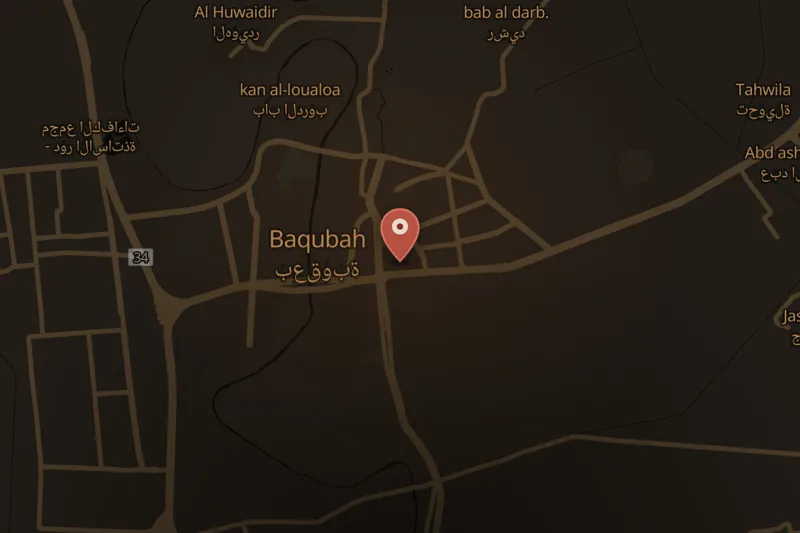
On 3 March 2010, a series of three bombings occurred in Baqubah, a mixed Sunni and Shia city that serves as the capital of Diyala Governorate, located approximately 40 miles (64 km) north of Baghdad, Iraq. The attacks killed at least 33 people and injured 55 others.

The bombings took place in the lead-up to Iraq's parliamentary elections, which were scheduled for 7 March 2010. At 9:45 am local time, a car bomb was detonated near a police station in the western part of the city. Moments later, a second car bomb exploded approximately 100 yards (91 m) away, near the provincial building. Subsequently, a suicide bomber detonated a device at the hospital where some of the wounded from the earlier blasts were being treated; this bomber had posed as a police lieutenant and arrived at the hospital by ambulance. A fourth bomb was discovered near the hospital and was defused before it could detonate.

In the aftermath, authorities imposed a full curfew on Baqubah, which barred even pedestrian movement. Among those killed were ten policemen and Dr. Ali al-Timimi, the head of Diyala Governorate's health department.

No organization claimed responsibility for the bombings. The Islamic State of Iraq had previously stated its intention to disrupt the upcoming 7 March elections. Both American and Iraqi authorities reportedly warned that further attacks could occur both before and after the elections. Despite these concerns, early voting proceeded as scheduled on the morning of 4 March.

In response to the attacks, Pentagon spokesman Geoff Morrell stated: "It's disgraceful, it's deplorable. We strongly condemn it, that said, neither this attack nor any of the previous attempts to derail the electoral process and to destabilise the government have been or will be successful."

No individual or group has been publicly charged or convicted in connection with these bombings according to available reporting.

3 dated entries · 2010

Timeline

  1. Three bombings occur in Baqubah, Iraq: two car bombs near a police station and provincial building, followed by a suicide bombing at a hospital treating the wounded; a fourth device is found and defused.

  2. Early voting for Iraq's parliamentary elections begins as scheduled despite the attacks.

  3. Iraq's parliamentary elections are held, the event the bombings occurred ahead of.

1 named in this file

People

Victims first. Every legal label is set from public records and court outcomes, not from the prose.

  • Ali al-Timimi

    VICTIM

    Head of Diyala Governorate's health department, killed in the bombings[3]

3 cited

Sources

Coverage is not a source: every fact in this file rests on the records below.

  • 2 Press
  • 1 Encyclopedic
  1. Contemporaneous coverage — The New York Times

    PressThe New York TimesAccessed Jul 7, 2026

  2. Contemporaneous coverage — ABC News (Australia)

    PressABC News (Australia)Accessed Jul 7, 2026

  3. 2010 Baqubah bombings

    EncyclopedicWikipediaAccessed Jul 7, 2026

Trust

Record history

First published
Jul 7, 2026
Corrections
None

Are you family of someone named in this file? Corrections and removal requests from victims’ families are prioritized.