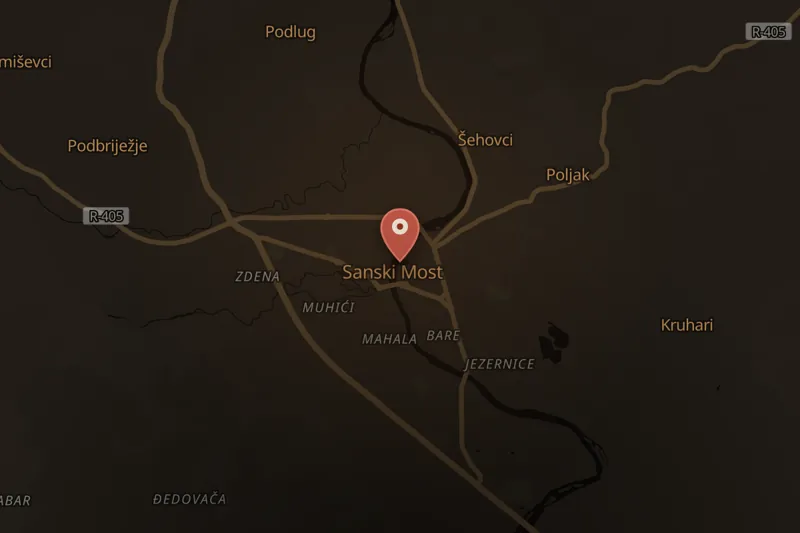
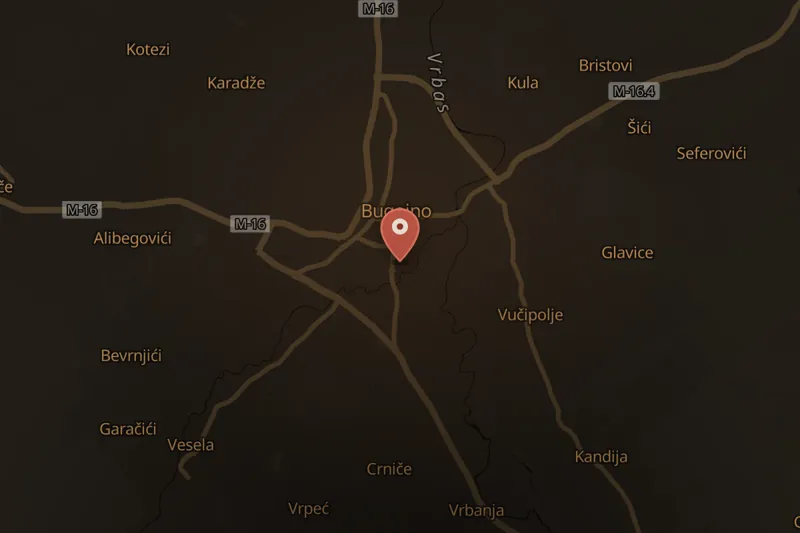
On 27 June 2010, an improvised explosive device was detonated just before 05:00 AM near the police station in Bugojno, in the Central Bosnia Canton of Bosnia and Herzegovina. The device had been planted between the police station and parked cars, and the blast killed police officer Tarik Ljubuškić and severely injured his colleague Edina Hindić, along with several other officers. The attack caused an estimated €250,000 in damage to the police station and surrounding buildings. The bomber, Haris Čaušević, was arrested immediately afterward at a nearby parking lot.
Čaušević belonged to a homegrown terrorist cell led by Rijad Rustempašić, which followed a Salafist ideology. Rustempašić and several followers had been arrested in a 2009 police operation and charged with terrorism, conspiracy, and illegal possession and trade of weapons; their trial began in March 2010. The Bugojno bombing was carried out in retaliation for that prosecution. Čaušević had participated in the group's planning meetings, which reportedly included discussions of jihad, recruitment, implementation of Sharia law, and attacks on politicians described as having "drifted away from Islam." Čaušević deliberately timed the attack to occur between police shift changes in an effort to maximize casualties. A third individual, who was reportedly meant to open fire with an AK-47 on police officers responding to the blast, withdrew from the plot the night before the attack.
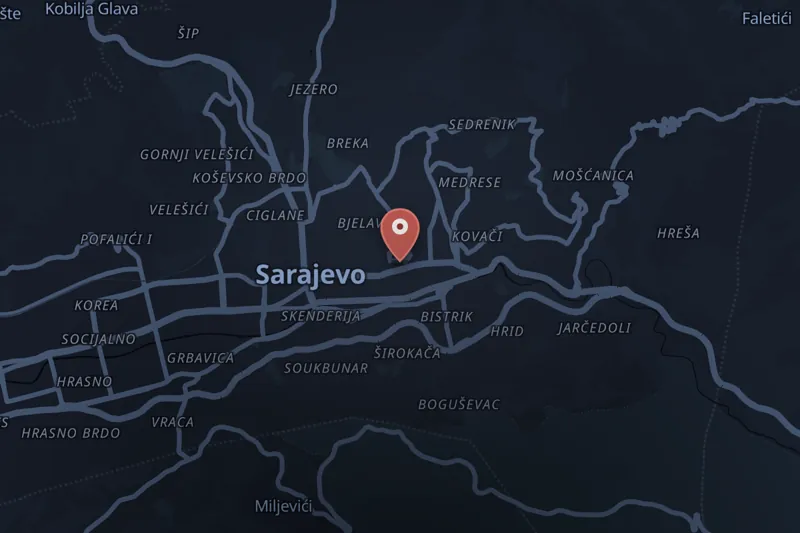
Naser Palislamović, also linked to the Rustempašić group and believed at the time to be a possible mastermind of the attack, was arrested shortly afterward in Sarajevo. Investigators also alleged that Čaušević had planned to kidnap a police officer and the officer's children, intending to pressure authorities into releasing Rustempašić or implementing Sharia law, as well as planning further attacks on police patrols.
The trial of Čaušević and Palislamović opened in March 2011 before the Court of Bosnia and Herzegovina. Čaušević pleaded not guilty throughout the proceedings. On 20 December 2013, he was sentenced to 45 years in prison — described as a record and maximum sentence — for the bombing and for planning the kidnapping plot. Palislamović was acquitted, as the court found it was not proven that he planned or committed the bombing. Čaušević's defense appealed, and the Court's Council of Appeal revoked the verdict on procedural grounds, ordering a new trial that ran from March to July 2015. Following the retrial, Čaušević was sentenced to 35 years in prison.

 SOLVEDListen