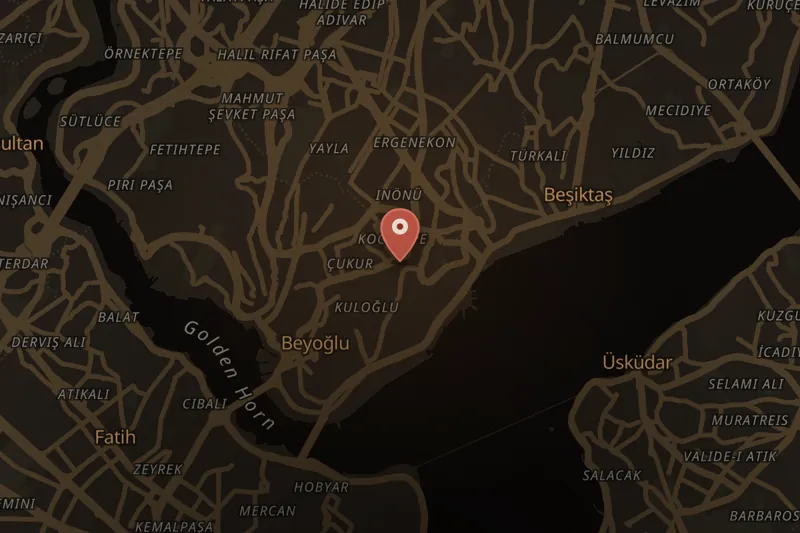
On 31 October 2010, a suicide bombing occurred in Taksim Square, on the European side of Istanbul, Turkey. The blast injured at least 32 people, including 15 police officers and 17 civilians. Bomb squads reportedly discovered multiple additional explosive devices at the scene after the initial explosion.
The attack appeared to target riot police and police vehicles typically stationed in the square. The date carried particular significance: it fell on the day of final celebrations for Turkey's Republic Day, and then-President Abdullah Gül was scheduled to arrive at a nearby location. The timing also coincided with the scheduled expiration of a unilateral ceasefire that the Kurdistan Workers' Party (PKK) had declared two months earlier.
In the immediate aftermath, no group had officially claimed responsibility, and speculation centered on left-wing groups or the PKK. However, the PKK denied any involvement, with spokesman Roj Qandil stating he had no "idea" about the bombing. The PKK subsequently announced it was extending its unilateral ceasefire until the 2011 Turkish general election.
The Kurdistan Freedom Hawks (TAK) later released a statement on their website claiming responsibility for the attack, stating: "We as TAK claim responsibility for the action carried out against the police force of Turkish fascism at Istanbul's Taksim Square on 31 Oct 2010." The PKK reiterated its denial of involvement in the attack.
The bombing drew condemnation from numerous international figures and organizations. Turkish Prime Minister Recep Tayyip Erdoğan stated that "those who threaten Turkey's peace, security and development will not be tolerated." The Arab League's Secretary-General Amr Moussa called the attack "unacceptable," and Human Rights Watch also condemned it. The Israeli embassy in Turkey described it as a "heinous terrorist attack." Jordan's King Abdullah II and Kuwait's Deputy Prime Minister and Foreign Minister both sent messages condemning the attack, as did Russian President Vladimir Putin. The Kurdistan Regional Government issued a statement expressing sympathy for victims and their families. South African President Jacob Zuma extended condolences, and U.S. Secretary of State Hillary Clinton condemned the bombing while pledging continued cooperation with Turkey to "combat violent extremism," calling it "a shocking crime."


 UNSOLVEDListen


