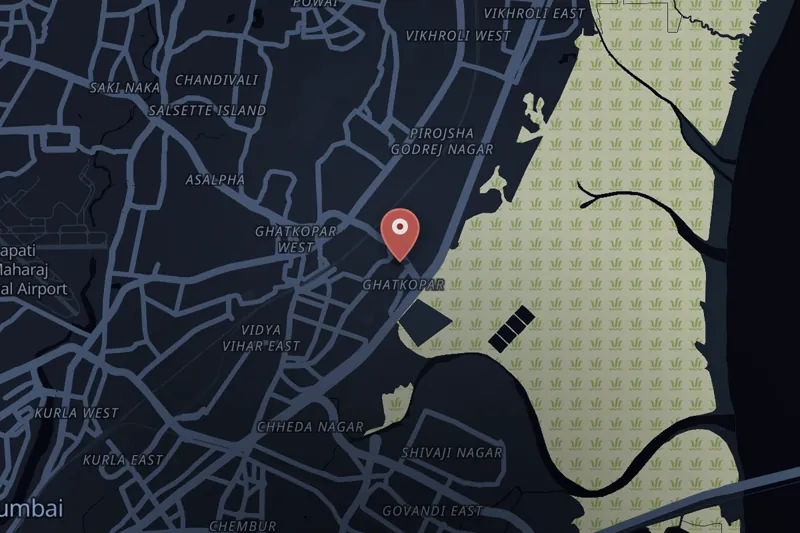
On 13 July 2011, between 18:54 and 19:06 IST, three coordinated bomb explosions struck Mumbai, India, at Zaveri Bazaar, the Opera House area near Charni Road, and Dadar West. The blasts killed 26 people and injured 130 others. The first device, planted on a motorcycle at Khau Gali in Zaveri Bazaar, exploded at 18:54. The second, hidden in a tiffin box outside Prasad Chambers and Panchratna Building in the Opera House area—home to thousands of diamond-trade workers—detonated at 18:55. The third device was placed on an electric pole near a bus stand in Dadar and exploded at 19:06. In the aftermath, phone networks were jammed, several major Indian cities were placed on high alert, and injured victims were taken to hospitals including J.J. Hospital, St. George Hospital, Hurkisondas Hospital, and G. T. Hospital.
Prime Minister Manmohan Singh and Congress leader Sonia Gandhi visited Mumbai the following day and met with injured victims. The central government announced compensation of ₹200,000 to the families of each person killed and ₹100,000 to those seriously injured, while the Maharashtra state government announced additional compensation of ₹500,000 and ₹50,000 respectively.
The Home Ministry classified the bombings as a terrorist act and deployed a National Investigation Agency team. Preliminary findings pointed to ammonium nitrate-based IEDs mixed with fuel oil, and investigators suspected the possible use of remote detonators. Early speculation about responsibility included the Indian Mujahideen, underworld figures, Kashmiri groups, or actors seeking to derail Indo-Pakistani peace talks, though these were noted as speculative in contemporaneous reporting.
The Maharashtra Anti-Terrorism Squad (ATS) arrested a suspect in August 2011 in connection with a stolen motorcycle used in the Zaveri Bazaar blast. In January 2012, Mumbai Police announced arrests of two individuals accused of stealing scooters used in the bombings, describing the logistics as managed by Yasin Bhatkal, identified as the plot's alleged mastermind. Further investigation reportedly identified two Pakistani nationals as bombers who had used multiple SIM cards obtained through a co-accused. In May 2012, the Maharashtra ATS filed a chargesheet against four arrested individuals and named six others, including Yasin Bhatkal, as wanted accused. Bhatkal was handed into ATS custody in February 2014 for further investigation into the case, and in July 2014 an additional suspect was arrested at Goa's Dabolim Airport on allegations of financing the operation through hawala transactions.
Separately, a man named Faiz Usmani, detained for questioning as part of the investigation, died in police custody on 17 July 2011, prompting allegations of police brutality from his family. Police stated he died of medical causes including hypertension-related complications, and a CID probe into his death was ordered.
The attacks drew condemnation from Indian political leaders across parties, as well as international bodies including the United Nations Secretary-General, the UN Security Council, the European Union, and NATO.


 SOLVEDListen