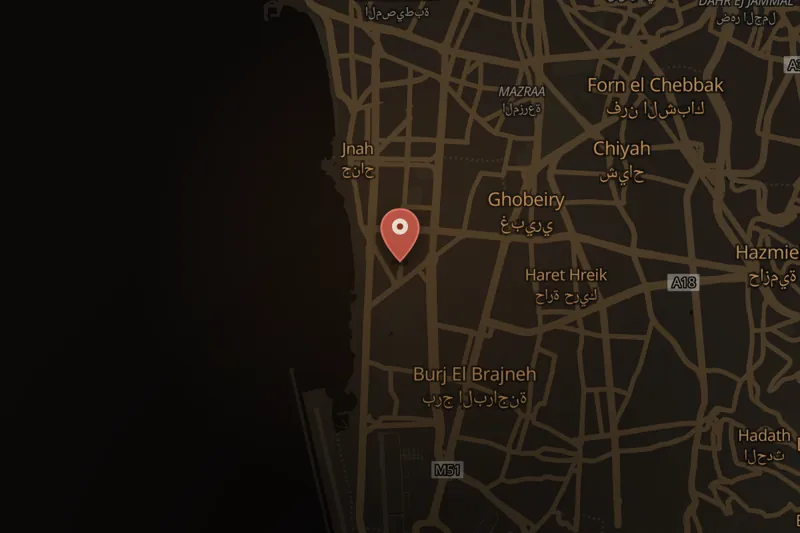
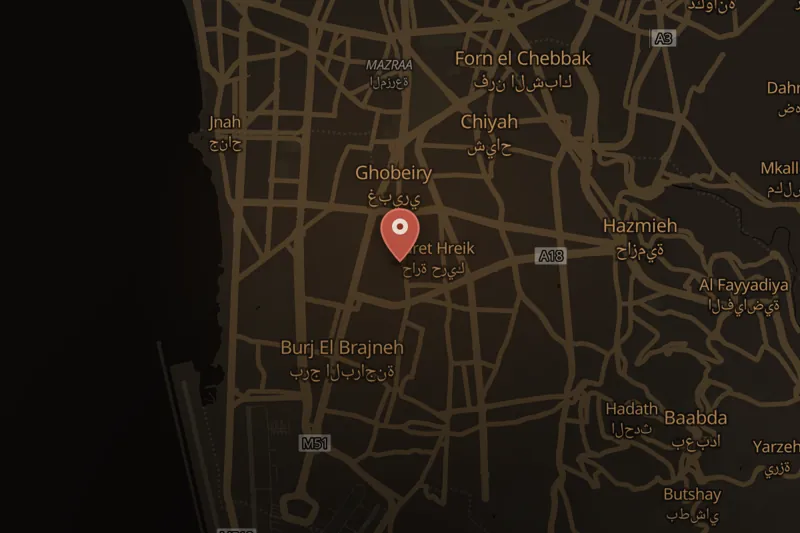
On 19 November 2013, two consecutive suicide bombings struck the area outside the Iranian embassy in Beirut, Lebanon. The attack was widely viewed as a spillover of the Syrian civil war, in which Hezbollah and Iran backed the Syrian government while the Abdullah Azzam Brigades fought against it. The bombing occurred the same day Syrian government forces, supported by Hezbollah, seized the town of Qarah from rebel fighters as part of the opening phase of the Battle of Qalamoun, a campaign expected by some analysts to increase sectarian tensions within Lebanon.
The first blast, outside the embassy gates, was reportedly carried out by a bomber either on a motorcycle or on foot. As people rushed to the scene, a second, deadlier explosion occurred roughly two minutes later when a 4x4 vehicle detonated two buildings away from the embassy. Six buildings were damaged; the blasts destroyed some building fronts and severely damaged the embassy gates, though the embassy building itself sustained only minor damage.
According to Lebanon's Health Ministry, at least 23 people were killed and 147 wounded (other reporting cited in the case describes at least 160 injured overall). Among the dead was Iranian cultural attaché Ebrahim Ansari, who, along with Iranian ambassador Ghazanfar Roknabadi, had been scheduled to leave the embassy for a meeting at Lebanon's Ministry of Culture around the time the bombs detonated. Five Iranian security personnel were wounded, and the embassy's Lebanese head of security was also killed.
The Abdullah Azzam Brigades, a Sunni Islamist militant group, claimed responsibility, stating its attacks against Iran would continue until Iran withdrew its forces from Syria; the group has a history of making false claims. On 31 December 2013, sources confirmed Lebanese authorities had captured Majid bin Mohammad al-Majid, the Saudi leader of the Abdullah Azzam Brigades. Hezbollah leader Hassan Nasrallah later said in a television interview that the attack was "linked to the Saudi intelligence services," attributing it to Saudi anger over setbacks in Syria.
Domestically, Hezbollah held a public funeral and rally in Beirut the day after the attack, with deputy leader Naim Qassem framing the killings as "inevitable pains on the road to victory." Iranian foreign ministry spokeswoman Marzieh Afkham blamed Israel for the attack, a claim Israel denied. Saudi Arabia called on its citizens to leave Lebanon. The attack was condemned by the United Nations Security Council, China, France, Syria, the United Kingdom, and the United States; British ambassador Tom Fletcher personally donated blood in solidarity with victims.