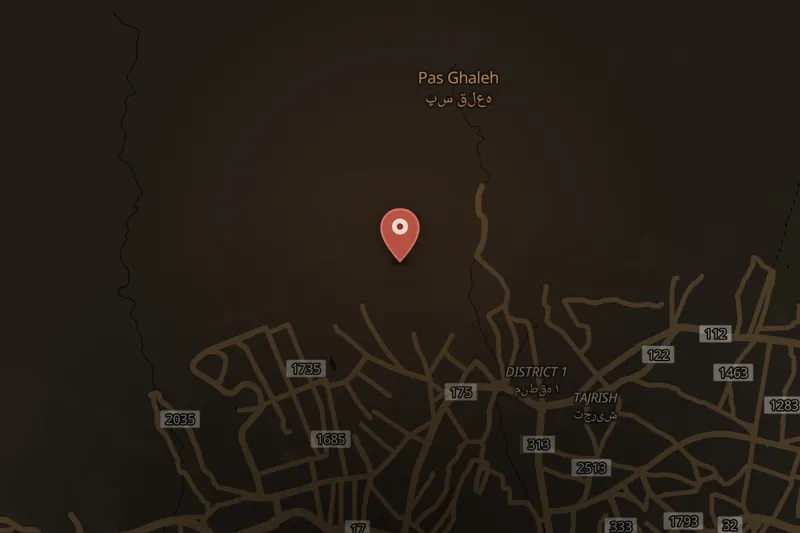
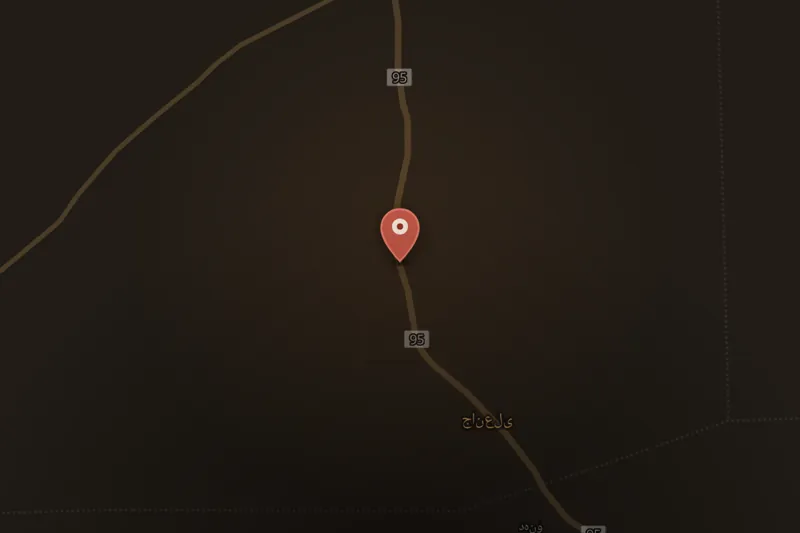
On February 13, 2019, a suicide bomber detonated a car packed with explosives near a bus carrying Islamic Revolutionary Guard Corps (IRGC) personnel on the Khash–Zahedan road (Road 95) in Sistan and Baluchestan Province, Iran, close to the border with Pakistan. The attack killed at least 27 Revolutionary Guards and wounded 13 others. The soldiers were returning to their home cities after completing a border mission. The region is known as a refuge for militant separatist groups and drug smugglers, and the bombing was described as one of the deadliest terrorist attacks in Iran in years.
The Salafi jihadist militant organization Jaish al-Adl ("Army of Justice"), a separatist group previously linked to attacks in southeast Iran, claimed responsibility for the bombing. The group had also been responsible for kidnapping eleven Iranian border guards in October 2018, of whom only five were later released.
A senior Revolutionary Guards commander stated that the suicide bomber was a Pakistani national, and that another member of the militant cell that planned the attack was also Pakistani. He further claimed three additional members of the cell were Iranian nationals from Sistan and Baluchestan, two of whom were subsequently arrested.
The bombing prompted strong reactions from Iranian officials. Supreme Leader Ali Khamenei stated that the perpetrators were connected to intelligence services both inside and outside the region. President Hassan Rouhani alleged that the United States was behind the attack and vowed revenge against Jaish al-Adl. Foreign Minister Mohammad Javad Zarif linked the bombing to a U.S.-sponsored Middle East conference taking place in Warsaw the same day. Iran's Deputy Foreign Minister Abbas Araghchi, in a meeting with India's External Affairs Minister Sushma Swaraj, drew a connection between this bombing and the 2019 Pulwama attack in India, calling for cooperation against terrorism. Major General Mohammad Ali Jafari alleged that the United States and Israel had ordered Saudi Arabia and the United Arab Emirates to carry out the attack, and called on Pakistan to crack down on Jaish al-Adl. Pakistan offered Iran cooperation in investigating the bombing and expressed sympathy for the victims, with a Pakistani delegation reportedly due to travel to Iran. Foreign Ministry spokesman Bahram Qassemi said Tehran would avenge the attack and criticized what it characterized as Pakistan's inability to stop cross-border attacks. Parliament Speaker Ali Larijani said the attack was planned and carried out from inside Pakistan, and military commander Muhammad Beghari urged Pakistan to confront the militant groups or allow Iranian forces to do so.
A mourning ceremony for the victims was held the following day in Isfahan, Iran, where the bodies of the victims were flown and received by press representatives and affected families. The ceremony was widely covered by Iranian media, and interviews with victims' families circulated widely on Iranian social media.

 Credit: Pax Ahimsa GethenCC BY-SA 4.0SourceSOLVEDListen