Skip to content
Casepin

Ongoing case · 1994

AMIA Bombing

Also known as Bombing of the Asociación Mutual Israelita Argentina · 1994 Buenos Aires Jewish community center bombing

ONGOINGCHARGEDACQUITTEDPERSON OF INTEREST · NOT CHARGED

Ongoing case: this file carries charge-sheet facts only. Anyone charged is presumed innocent unless convicted.

Updated
Updated Jul 7, 2026
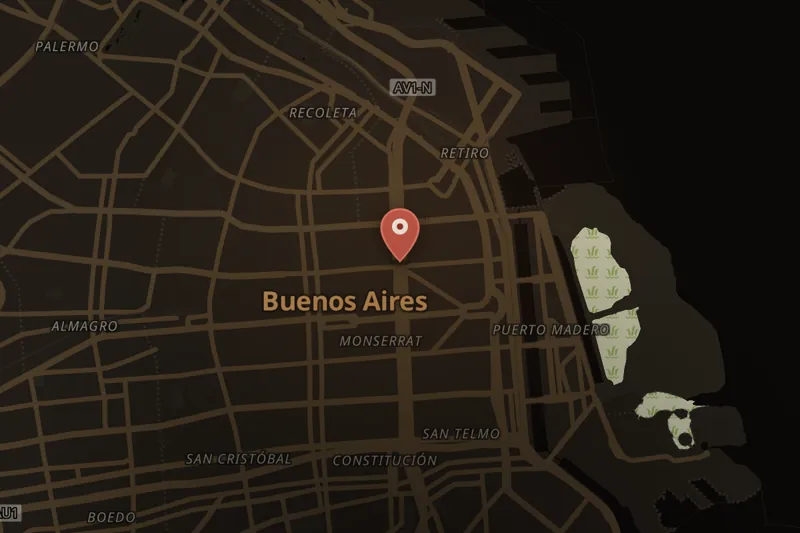
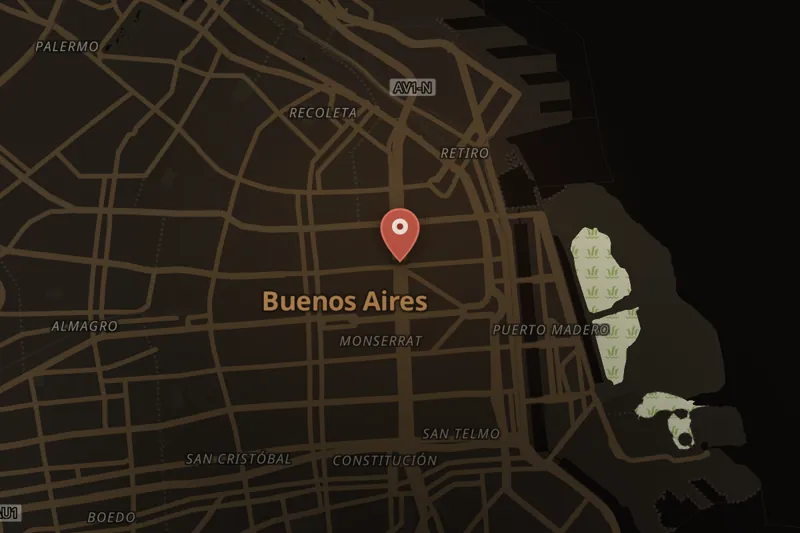
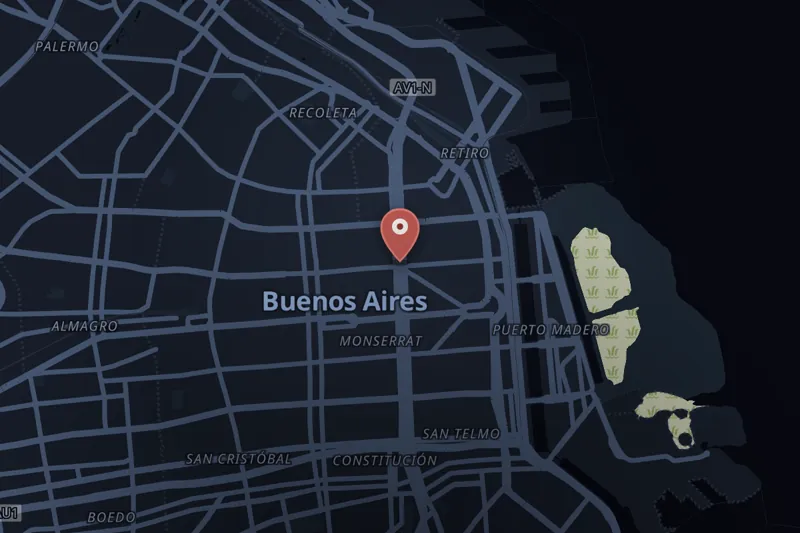
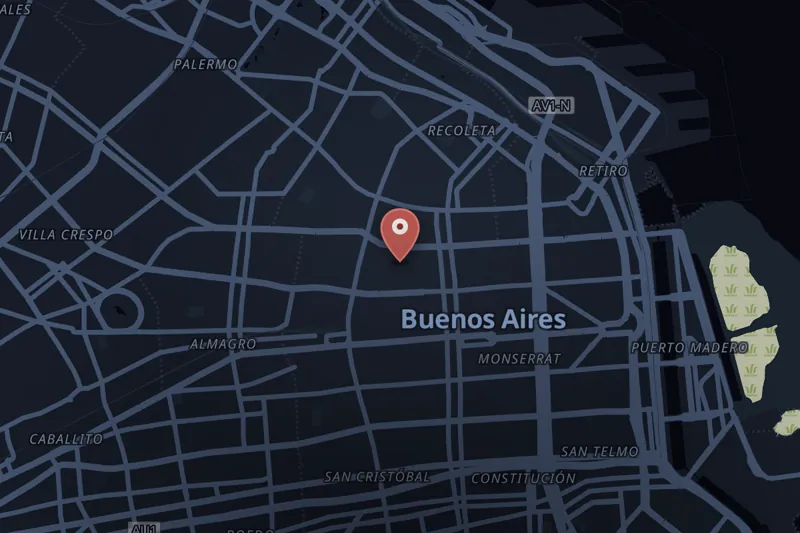
AMIA building, Pasteur 633, Buenos Aires, ArgentinaView on the map

The short answer

AMIA Bombing in brief

On 18 July 1994, a suicide bomber drove a van packed with explosives into the AMIA Jewish community center in Buenos Aires, killing 85 people and injuring over 300 in the deadliest terrorist attack in Argentine history.

Key facts

Year
1994
Place
AMIA building, Pasteur 633, Buenos Aires, Argentina
Status
ONGOINGOngoing
Outcome
Charged: Ahmad Vahidi, Imad Mughniyah, Ali Fallahian, Mohsen Rezaee, Hussein Mounir Mouzannar, Ali Akbar Velayati, Abdallah Salman, Hashemi Rafsanjani, Salman Raouf Salman, Ahmad Reza Asghari, Mohsen Rabbani and Cristina Fernández de Kirchner; Acquitted: Carlos Telleldín

The coverage index

Where to watch & listen

No one's coverage is attached to this file yet.

Know great coverage of this case?

A documentary, a podcast episode, a careful long-form video. Suggest it and an editor will review it before it appears here.

Suggest coverage for AMIA Bombing

The case file

What happened

On 18 July 1994, a suicide bomber drove a Renault Trafic van loaded with approximately 275 kilograms of ammonium nitrate and fuel oil explosive into the building housing the Asociación Mutual Israelita Argentina (AMIA), a Jewish community center in Buenos Aires. The blast destroyed the five-story brick masonry building, killing 85 people and injuring more than 300. It remains the deadliest terrorist attack in Argentine history. At the time, Argentina's Jewish community numbered around 200,000, the largest in Latin America.

The bombing came two years after a 17 March 1992 attack on the Israeli embassy in Buenos Aires, which killed 29 people. Investigators suspected a connection between the two attacks, though no one has been convicted for either.

The investigation was marked by prolonged allegations of mishandling and cover-up. Federal judge Juan José Galeano pursued a "local connection" theory, arresting Carlos Telleldín and around 20 Buenos Aires provincial police officers; however, a video later showed Galeano offering Telleldín money for evidence, leading to his removal from the case in 2003 and formal impeachment in August 2005 for "serious irregularities." On 2 September 2004, all suspects in the local-connection case, including four policemen, were acquitted for lack of evidence.

In 2006, prosecutors Alberto Nisman and Marcelo Martínez Burgos formally accused the Iranian government of directing the attack and the Lebanese militant group Hezbollah of carrying it out, alleging the motive stemmed from Argentina's suspension of a nuclear technology transfer contract with Iran — a claim later disputed. Arrest warrants and Interpol red notices were later issued for several Iranian officials and a Hezbollah operative, though none have been apprehended, and Iran and Hezbollah have denied involvement.

Subsequent Argentine governments faced accusations related to the case. In 2013, Argentina and Iran signed a memorandum of understanding to establish a "truth commission," which drew significant criticism from Jewish community organizations and was later declared unconstitutional by Argentine courts. Nisman, who opposed the memorandum, filed a complaint in January 2015 accusing President Cristina Fernández de Kirchner and others of attempting to cover up Iranian involvement. He was found dead in his home on 18 January 2015, hours before he was due to present his allegations to Congress; the case surrounding his death remains open. In 2018, judicial authorities announced Fernández de Kirchner would face trial on cover-up charges, which she has denied; a 2021 court ruling found no wrongdoing on her part, though a 2023 appellate ruling ordered her to be tried again.

In April 2024, the Argentine Court of Cassation ruled that Iran directed the attack and Hezbollah carried it out, characterizing Iran as a terrorist state and enabling victims' families to pursue compensation claims against Iran internationally. As of 2025, Argentina has announced plans to try ten Iranian and Lebanese nationals in absentia.

21 dated entries · 1992–2025

Timeline

  1. The Israeli embassy in Buenos Aires is bombed, killing 29 people; the attack is later suspected to be connected to the AMIA bombing.

  2. A suicide bomber drives a van loaded with explosives into the AMIA building in Buenos Aires, killing 85 people and injuring over 300.

  3. A suicide bombing on a Panamanian commuter plane kills all 21 passengers, including 12 Jews.

  4. An arrest warrant is issued against Hezbollah member Imad Mugniyah in connection with the attack.

  5. Former Iranian ambassador to Argentina Hade Soleimanpour is arrested in the UK at Argentina's request; he is later released for lack of evidence.

  6. All suspects in the 'local connection' case, including four policemen, are found not guilty for lack of evidence.

  7. Federal judge Juan José Galeano is formally impeached and removed from his post over 'serious irregularities' in his handling of the investigation.

  8. Cardinal Jorge Mario Bergoglio becomes the first public figure to sign a justice petition for AMIA victims as part of the bombing's 11th anniversary.

  9. Prosecutors Alberto Nisman and Marcelo Martínez Burgos formally accuse Iran of directing the bombing and Hezbollah of carrying it out.

  10. Interpol publishes names of six individuals officially accused in the attack on its red notice list.

  11. Argentina and Iran sign a memorandum of understanding to establish a truth commission on the bombing.

  12. The memorandum of understanding is declared unconstitutional by an Argentine court.

  13. Alberto Nisman files a complaint accusing President Cristina Fernández de Kirchner and others of covering up Iranian involvement in the bombing.

  14. Alberto Nisman is found dead in his home hours before he was due to present his allegations to Congress.

  15. The memorandum of understanding with Iran is declared voided by the Argentine Federal Chamber of Cassation.

  16. Judicial authorities announce Cristina Fernández de Kirchner will face trial on charges of covering up Iranian involvement in the bombing.

  17. Argentina officially declares Hezbollah a terrorist organization, freezing its assets and expelling members.

  18. A federal tribunal declares the cover-up case against Cristina Fernández de Kirchner null and void, finding no wrongdoing.

  19. The Federal Chamber of Cassation revokes the earlier dismissal and orders Cristina Fernández de Kirchner to be tried for alleged cover-up.

  20. The Argentine Court of Cassation rules that Iran directed the attack and Hezbollah carried it out, characterizing Iran as a terrorist state.

  21. It is reported that Argentina will try ten suspects of Iranian and Lebanese nationality in absentia.

16 named in this file

People

Victims first. Every legal label is set from public records and court outcomes, not from the prose.

  • Abdallah Salman

    CHARGED

    Charged over the 1994 AMIA bombing as a Hezbollah member; an Argentine appeals court confirmed in 2025 that he will be tried in absentia, with proceedings ongoing.[3]

  • Ahmad Reza Asghari

    CHARGED

    Charged over the 1994 AMIA bombing as a former Iranian diplomat; an Argentine appeals court confirmed in 2025 that he will be tried in absentia, with proceedings ongoing.[3]

  • Ahmad Vahidi

    CHARGED

    Iranian official accused and indicted in connection with the bombing; placed on Interpol's wanted list; remains a fugitive.[3]

  • Ali Akbar Velayati

    CHARGED

    Charged over the 1994 AMIA bombing as Iran's former foreign minister; an Argentine appeals court confirmed in 2025 that he will be tried in absentia, with proceedings ongoing.[3]

  • Ali Fallahian

    CHARGED

    Charged over the 1994 AMIA bombing as Iran's former Intelligence and Security minister; an Argentine appeals court confirmed in 2025 that he will be tried in absentia, with proceedings ongoing.[3]

  • Cristina Fernández de Kirchner

    CHARGED

    Former Argentine president charged over alleged cover-up of Iranian involvement in the bombing; case was declared null and void in 2021, but a 2023 appellate ruling ordered her to be tried; she has denied the charges.[3]

  • Hashemi Rafsanjani

    CHARGED

    Indicted by Argentine prosecutors in 2006 over the 1994 AMIA bombing as former president of Iran; died on 8 January 2017, before the case against him could be resolved and before the 2025 in-absentia trial (from which he is absent) was ordered.[3]

  • Hussein Mounir Mouzannar

    CHARGED

    Charged over the 1994 AMIA bombing as a Hezbollah member; an Argentine appeals court confirmed in 2025 that he will be tried in absentia, with proceedings ongoing.[3]

  • Imad Mughniyah

    CHARGED

    Indicted by Argentine prosecutors over the 1994 AMIA bombing, with an arrest warrant issued in 1999 and an Interpol red notice; killed in a car bombing in Damascus in February 2008, before the case against him could be resolved.[3]

  • Mohsen Rabbani

    CHARGED

    Charged over the 1994 AMIA bombing as former cultural attaché at the Iranian embassy in Argentina; an Argentine appeals court confirmed in 2025 that he will be tried in absentia, with proceedings ongoing.[3]

  • Mohsen Rezaee

    CHARGED

    Charged over the 1994 AMIA bombing as former commander of Iran's Revolutionary Guard Corps; an Argentine appeals court confirmed in 2025 that he will be tried in absentia, with proceedings ongoing.[3]

  • Salman Raouf Salman

    CHARGED

    Charged over the 1994 AMIA bombing as a Hezbollah member; an Argentine appeals court confirmed in 2025 that he will be tried in absentia, with proceedings ongoing.[3]

  • Hade Soleimanpour

    PERSON OF INTEREST · NOT CHARGED

    Officially named a person of interest by UK and Argentine authorities; not charged. Iran's ambassador to Argentina in 1994; arrested by UK police on 21 August 2003 at Argentina's extradition request over the AMIA bombing; a UK High Court judge released him on bail after finding no clear evidence at that time linking him to the blast, and the Home Office later found insufficient evidence to establish even a prima facie case for extradition.[3]

  • Carlos Telleldín

    ACQUITTED

    Alleged to have provided the van used in the bombing; acquitted in the 'local connection' case on 2 September 2004 for lack of evidence.[3]

  • Alberto Nisman

    LAW ENFORCEMENT

    Argentine prosecutor who formally accused Iran and Hezbollah in 2006 and later accused President Fernández de Kirchner of a cover-up; found dead in January 2015 before presenting his findings to Congress.[3]

  • Juan José Galeano

    LAW ENFORCEMENT

    Federal judge who led the initial investigation; removed from the case in 2003 and impeached in August 2005 for 'serious irregularities' in handling the probe; has denied the allegations.[3]

3 cited

Sources

Coverage is not a source: every fact in this file rests on the records below.

  • 2 Press
  • 1 Encyclopedic
  1. Contemporaneous coverage — BBC News

    PressBBC NewsAccessed Jul 7, 2026

  2. Contemporaneous coverage — The Guardian

    PressThe GuardianAccessed Jul 7, 2026

  3. AMIA bombing

    EncyclopedicWikipediaAccessed Jul 7, 2026

Trust

Record history

First published
Jul 10, 2026
Corrections
None

Are you family of someone named in this file? Corrections and removal requests from victims’ families are prioritized.