Overview
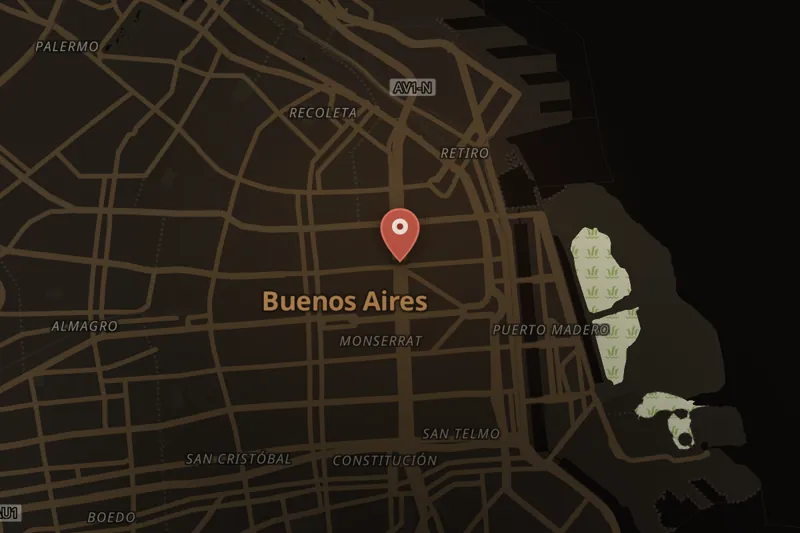
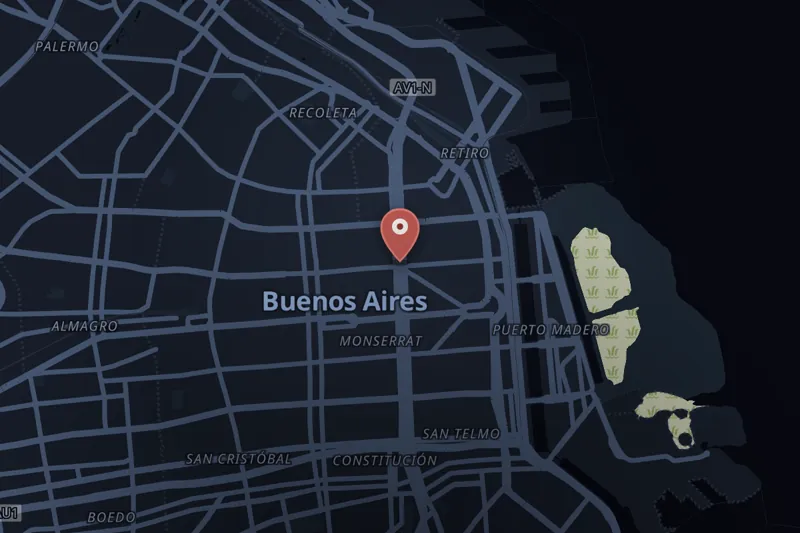
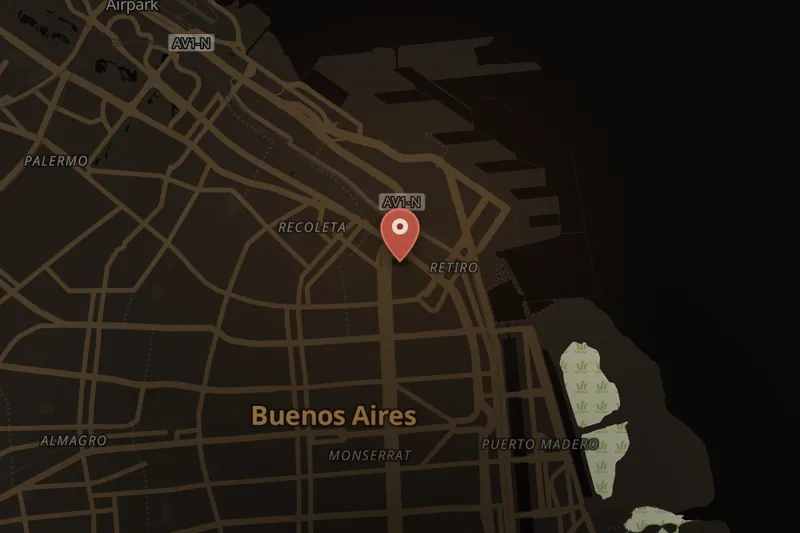
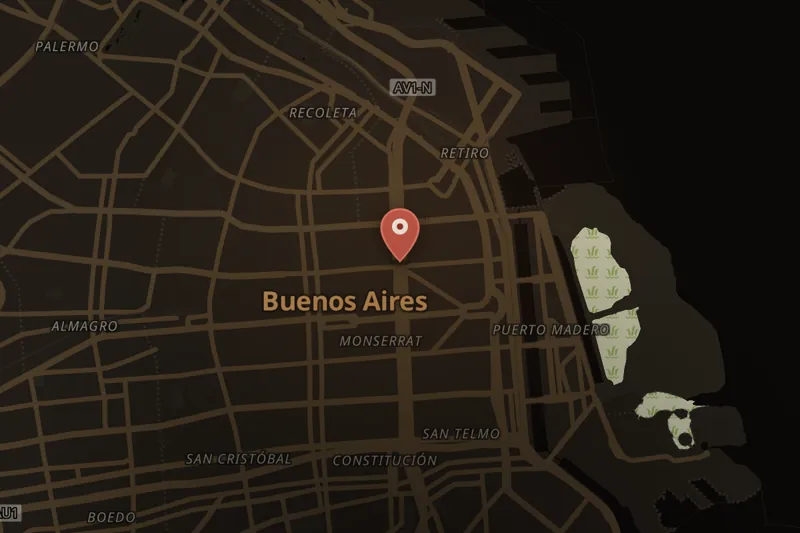
On 17 March 1992, at approximately 2:42 pm local time, a pick-up truck driven by a suicide bomber and loaded with explosives struck the front of the Israeli Embassy in Buenos Aires, located at the corner of Arroyo and Suipacha streets, and detonated. The blast destroyed the embassy building, a nearby Catholic church, and a school building. Twenty-nine people were killed and 242 others were wounded. Four of the dead were Israeli citizens, including two women who were the wives of the embassy's consul and first secretary; most of the remaining victims were Argentine civilians, many of them children. Among the dead was Priest Juan Carlos Brumana, killed in the Catholic church Mater Admirabilis located across from the embassy. The attack was, at the time, Argentina's deadliest terrorist act until the 1994 AMIA bombing, and it remains the deadliest attack ever carried out against an Israeli diplomatic mission.
Claim of Responsibility and Investigation
A group calling itself the Islamic Jihad Organization, which has been linked to Iran and possibly Hezbollah, claimed responsibility for the bombing. The group stated the attack was motivated by Israel's assassination of Hezbollah Secretary-General Sayed Abbas al-Musawi in February 1992. Islamic Jihad also released surveillance footage it had taken of the embassy prior to the attack.
Following the bombing, Israeli investigators traveled to Argentina and determined that the attack had been planned in the Tri-Border Area, where Argentina, Paraguay, and Brazil meet, a region with a large Muslim population. Messages intercepted by the United States National Security Agency reportedly revealed Iranian foreknowledge of the attack, as well as the involvement of Hezbollah operative Imad Mughniyah, who was later formally charged by Argentina in connection with the bombing. In May 1998, Moshen Rabbani, the former Cultural Attaché at the Iranian Embassy in Argentina, was detained in Germany, and Argentina expelled seven Iranian diplomats, citing "convincing proof" of Iranian involvement. No suspects were prosecuted at that time. In 1999, Argentina issued an arrest warrant for Mughniyah in connection with this bombing and the 1994 AMIA bombing, which killed 85 people; the two attacks are suspected to be linked.
In 2023, the United States sanctioned Hezbollah operative Amer Mohamed Akil Rada for his reported role in both this bombing and the AMIA bombing. In April 2024, Argentina's second-highest court ruled that the Iranian government was responsible for the 1992 bombing, characterizing it as retaliation for Argentina reneging on agreements to transfer nuclear material to Iran, and formally designated Iran a terrorist state.
Aftermath
President Néstor Kirchner later described the lack of resolution in this case and the AMIA bombing as a "national disgrace" and reopened related files. Federal prosecutor Alberto Nisman was assigned to investigate the bombing but was found dead in his home on 18 January 2015, one day before he was scheduled to report his findings. A memorial featuring twenty-one trees and seven benches now stands at the site of the former embassy.


 SOLVEDListen