Patrice Lumumba became the first Prime Minister of the Republic of the Congo, Léopoldville, following independence from Belgium on 30 June 1960. He quickly drew hostile attention from Belgium, which sought to maintain influence in the former colony, and from Western powers concerned about Cold War alignment. Katanga province, led by Moise Tshombe, declared secession in July 1960 with support from Belgian mining interests, particularly Union Minière du Haut-Katanga.
Following a September 1960 coup led by Mobutu Sese Seko, Lumumba and political associates Maurice Mpolo and Joseph Okito were detained. They were held at Camp Hardy near Léopoldville from December 1960 under poor conditions. In mid-January 1961, amid unrest among camp soldiers, Belgian Minister of the Colonies Harold d'Aspremont Lynden ordered that Lumumba be transferred to Katanga, an act that Belgian sociologist Ludo De Witte has described as effectively a death sentence.
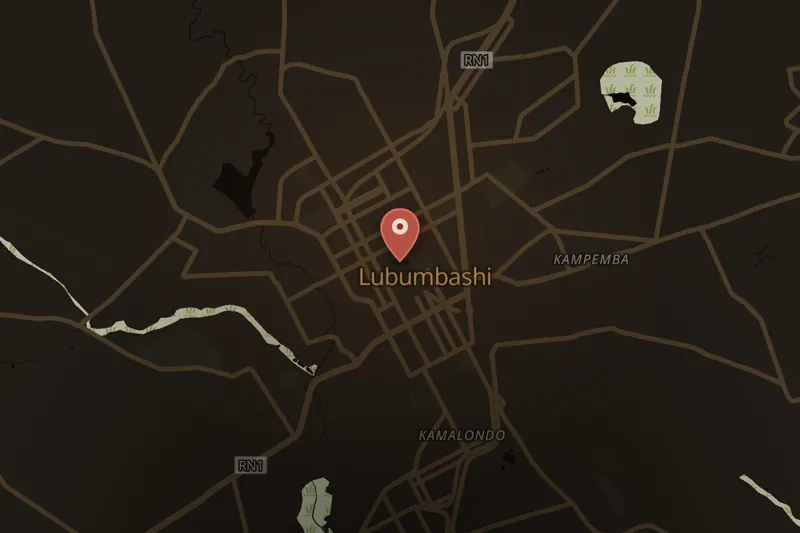
On 17 January 1961, Lumumba was forcibly restrained during the flight to Elisabethville. On arrival, he and his associates were taken to the Brouwez House, where they were beaten and tortured by Katangan officers. That night, the three men were driven to an isolated location and shot by firing squads commanded by Belgian contract officer Julien Gat, with overall command by Belgian Police Commissioner Frans Verscheure; Katangan leaders including Tshombe were present. A Belgian parliamentary inquiry later placed the time of execution between 21:40 and 21:43. The bodies were buried in a shallow grave, then exhumed the next day on the orders of Katangan Interior Minister Godefroid Munongo; Belgian officer Gerard Soete later dismembered and dissolved Lumumba's remains in acid.
News of Lumumba's death was suppressed for weeks; Katangan authorities falsely claimed on 13 February 1961 that he had been killed by villagers after escaping custody. His killing sparked protests in at least twenty countries, including demonstrations in Belgrade, London, and at the United Nations in New York.
Subsequent investigations, including a 2001 Belgian parliamentary inquiry and the 1975 US Church Committee, documented extensive Belgian and American involvement in efforts to remove or kill Lumumba, including a CIA poison plot authorized by President Eisenhower in August 1960 that was ultimately abandoned. The Church Committee found the CIA had conspired to kill Lumumba but was not directly involved in the killing itself. British documents later revealed the UK government also sought Lumumba's removal due to mining interests, though claims of direct MI6 involvement have been described by British officials as "speculative."
In 2002, Belgium formally apologized to the Congolese people, acknowledging moral responsibility. In 2022, Lumumba's remains, reduced to a single tooth retained by Soete, were returned to his family and interred in a mausoleum in Kinshasa. A Belgian prosecution of a former junior diplomat over the case for alleged war crimes tied to Lumumba's arrest was pending trial before the accused's death in 2026.


 Credit: Associated Press (1963 press photo)Public domainSourceOVERTURNEDListen