Active case
Extrajudicial Killings and Forced Disappearances in the Philippines

Extrajudicial killings and forced disappearances have been documented in the Philippines since the martial-law era of President Ferdinand Marcos. Human rights groups have placed the number of people killed extrajudicially under martial law at roughly 1,500, with more than 800 additional abductions; the group Karapatan lists 759 people who disappeared and were never found. In 1995, 10,000 Filipinos won a U.S. class-action lawsuit against the Marcos estate over claims of torture, execution, and disappearance. In Philippine English the killings are commonly called 'salvaging'; people who disappear are called desaparecidos, a term also applied to victims of state terrorism in 1970s and 1980s South America.
Killings and disappearances continued under later administrations, most often targeting left-wing activists, trade unionists, journalists, clergy, and land-rights and environmental defenders, frequently amid accusations that victims were 'red-tagged' as members or sympathizers of the Communist Party of the Philippines (CPP) and the New People's Army (NPA). Karapatan reported more than 900 killings by May 2008, while the group Desaparecidos recorded 194 enforced disappearances under the Arroyo administration as of May 2008. In February 2007, United Nations Special Rapporteur Philip Alston conducted an official fact-finding visit and later reported that Philippine prosecutors and the Ombudsman's office had failed to pursue accountability for the killings. A government-appointed inquiry, the Melo Commission, found no official policy of extrajudicial killing but reported evidence 'pointing the finger of suspicion' at some military figures, naming then-general Jovito Palparan among those it said had allowed, tolerated, or encouraged killings.
Chief Justice Reynato Puno convened a national summit on the killings in Manila in July 2007 and went on to create the writ of amparo, a court remedy letting judges order protective and investigative relief for victims of killings and disappearances, followed by a companion writ of habeas data. In December 2012, President Benigno Aquino III signed the Anti-Enforced or Involuntary Disappearance Act, described as the first law in Asia to make enforced disappearance a standalone crime. Convictions have remained rare: in 2018, Palparan was convicted of the kidnapping and disappearance of Sherlyn Cadapan and Karen Empeño. In the 2009 Maguindanao massacre, 57 people traveling to file an election candidacy were killed; 198 suspects, including Andal Ampatuan Sr. and Andal Ampatuan Jr., were charged with murder.
After winning the 2016 presidential election on a pledge to kill people involved in illegal drugs, Rodrigo Duterte oversaw an anti-drug campaign in which the Philippine National Police recorded roughly 2,000 deaths by August 2016 and the Philippine Drug Enforcement Agency recorded more than 6,200 by May 2022; human rights groups have put the total, including vigilante-style killings, at around 30,000. On March 11, 2025, Philippine police and Interpol arrested Duterte to face International Criminal Court charges of crimes against humanity connected to the drug-war killings. Disappearances of activists have continued in the years since: in April 2023, Indigenous rights activists Dexter Capuyan and Gene Roz Jamil 'Bazoo' de Jesus were abducted in Rizal province and have not been found, and Karapatan recorded at least 16 activist abductions between June 2022 and November 2023 under President Bongbong Marcos.

Key facts
- Victims
- Karen Empeño, Jonas Burgos, Alberto Ramento, Sherlyn Cadapan
- Date
- 2007
- Location
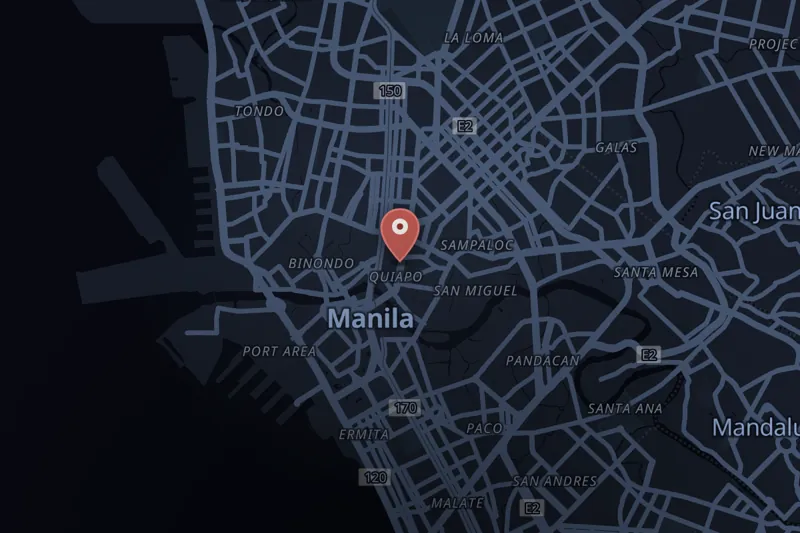
- Manila, Philippines (representative pin — killings and disappearances documented nationwide, not centered on Manila)
- Case status
- ongoing
Case timeline
1995
10,000 Filipinos win a U.S. class-action lawsuit against the estate of Ferdinand Marcos over claims of torture, execution, and disappearance during martial law.
1997-02
Bishop Benjamin de Jesus of the Oblates of Mary Immaculate is shot dead in front of the cathedral in Jolo.
2007-02-12
UN Special Rapporteur on extrajudicial executions Philip Alston begins an official fact-finding visit to the Philippines, running through February 21.
2007-04-28
Jonas Burgos is abducted; his mother later petitions the Court of Appeals for a writ of amparo over his disappearance.
2007-07-16
Chief Justice Reynato Puno convenes a National Consultative Summit on extrajudicial killings in Manila, where the Commission on Human Rights reports 403 victims since 2001.
2007-09-25
Chief Justice Reynato Puno signs the writ of amparo, a new court remedy for victims of killings and enforced disappearances.
2007-10-03
Bishop Alberto Ramento of the Philippine Independent Church, a critic of the Arroyo government, is stabbed and killed in Tarlac City.
2007-12-27
The Court of Appeals grants a writ of amparo to Reynaldo and Raymond Manalo, abducted activists.
2008-01-14
Judge Roberto Navidad is shot and killed in Calbayog, Samar, the 14th judge ambushed under the Arroyo administration.
2009-11-23
In the Maguindanao massacre, 57 people traveling to file an election candidacy are killed; 198 suspects, including Andal Ampatuan Sr. and Andal Ampatuan Jr., are later charged with murder.
2012-12
President Benigno Aquino III signs the Anti-Enforced or Involuntary Disappearance Act, described as the first law in Asia to make enforced disappearance a standalone crime.
2016-06-30
Rodrigo Duterte is sworn in as president after campaigning on a pledge to kill people involved in illegal drugs.
2016-08-26
The Philippine National Police's official anti-drug campaign death toll reaches 2,000.
2018
Major General Jovito Palparan is convicted of the kidnapping and disappearance of Sherlyn Cadapan and Karen Empeño.
2022-05
The Philippine Drug Enforcement Agency records more than 6,200 deaths in the anti-drug campaign since July 2016.
2023-04
Indigenous rights activists Dexter Capuyan and Gene Roz Jamil 'Bazoo' de Jesus are abducted by unidentified men in Rizal province and remain missing.
2023-09
Environmental activists Jonila Castro and Jhed Tamano are held for two weeks by the Philippine military in Bataan province and say they were coerced into posing as New People's Army members.
2025-03-11
Philippine police and Interpol arrest Rodrigo Duterte to face International Criminal Court charges of crimes against humanity tied to the drug-war killings.
Best coverage
No approved coverage links are attached yet.
People
Rodrigo Duterte
CHARGEDPhilippine president who won the 2016 election on a pledge to kill people involved in illegal drugs; arrested on March 11, 2025, to face International Criminal Court charges of crimes against humanity related to extrajudicial killings during the anti-drug campaign.
Andal Ampatuan Jr.
CHARGEDSon of Andal Ampatuan Sr. and a prospective gubernatorial candidate; one of at least 198 suspects charged with murder over the November 2009 Maguindanao massacre.
Andal Ampatuan Sr.
CHARGEDProvincial governor; one of at least 198 suspects charged with murder over the November 2009 Maguindanao massacre, in which 57 people were killed.
Karen Empeño
VICTIMKidnapped and forcibly disappeared; Major General Jovito Palparan was convicted in 2018 of her kidnapping and disappearance.
Jonas Burgos
VICTIMAbducted on April 28, 2007; his mother, Dr. Edita Burgos, petitioned the Court of Appeals for a writ of amparo over his disappearance in December 2007.
Alberto Ramento
VICTIMBishop of the Iglesia Filipina Independiente (Philippine Independent Church) and a critic of the Arroyo government; stabbed and killed in Tarlac City on October 3, 2007, at age 69.
Sherlyn Cadapan
VICTIMKidnapped and forcibly disappeared; Major General Jovito Palparan was convicted in 2018 of her kidnapping and disappearance.
Jovito Palparan
CONVICTEDPhilippine Army major general convicted in 2018 of the kidnapping and disappearance of Sherlyn Cadapan and Karen Empeño; a 2007 government-appointed commission report had separately named him among military figures it suspected of allowing, tolerating, or encouraging extrajudicial killings.
Roles reflect public records and court outcomes at the time of writing — supporting citations are on file under Sources.
Places
Common questions
- What happened to the victim?
- Since the martial-law era of Ferdinand Marcos, Philippine government officers have been linked to thousands of extrajudicial killings and enforced disappearances of activists, journalists, clergy, and — since 2016 — suspected drug offenders, with UN investigators citing near-total impunity and, in 2025, an International Criminal Court arrest of Rodrigo Duterte.
- Where did the killings happen?
- Manila, Philippines (representative pin — killings and disappearances documented nationwide, not centered on Manila).
- Who was convicted?
- Jovito Palparan (Philippine Army major general convicted in 2018 of the kidnapping and disappearance of Sherlyn Cadapan and Karen Empeño; a 2007 government-appointed commission report had separately named him among military figures it suspected of allowing, tolerating, or encouraging extrajudicial killings.).
- What is the current status of the case?
- Status: ongoing.
Sources
- ENCYCLOPEDICExtrajudicial killings and forced disappearances in the PhilippinesWikipedia · 2026-07-12
- OFFICIAL / AGENCYContemporaneous coverage — 2001-2009.state.gov2001-2009.state.gov · 2026-07-12
- PRESSContemporaneous coverage — The GuardianThe Guardian · 2026-07-12
Record history
- First published
- JUL 13, 2026