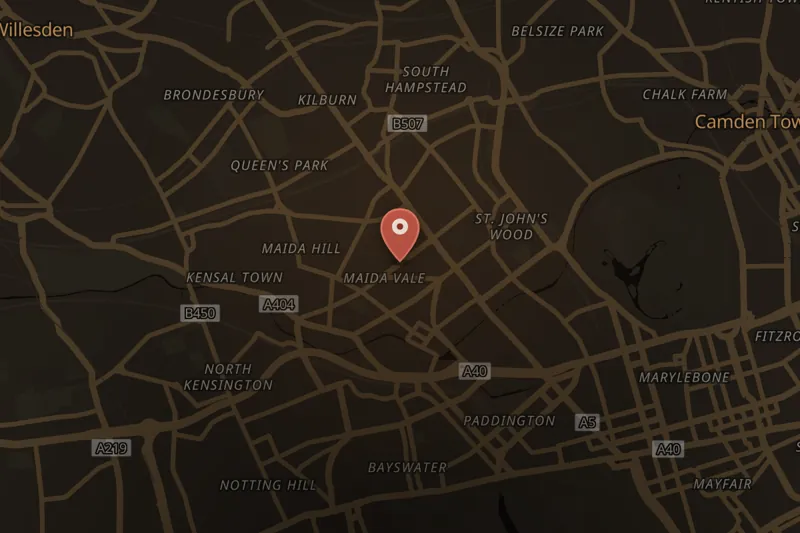
Kelso Cochrane was born in Antigua on 26 September 1927. After a failed marriage and period living in the United States, from which he was deported for overstaying, he moved to England in 1954, arriving in Plymouth before settling in the Notting Hill area of London. He worked as a carpenter and hoped to save enough money to attend law school.
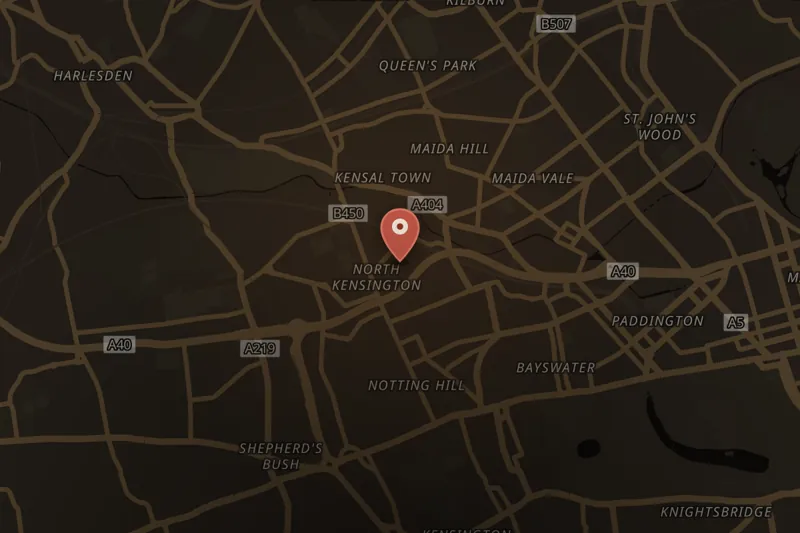
On 17 May 1959, shortly after midnight, Cochrane was walking home from Paddington General Hospital, where he had been treated for a fractured thumb sustained in a work accident, when he was attacked at the junction of Golborne Road and Southam Street. A gang of white youths set upon him and stabbed him with a stiletto knife before fleeing when three other men arrived on the scene. Those three men took Cochrane to hospital, where he died about an hour later. His funeral procession on 6 June 1959, travelling from St Michael and All Angels Church along Ladbroke Grove to Kensal Green Cemetery, was attended by more than 1,200 people from across the local community.
At the time, Notting Hill was a base for Oswald Mosley's Union Movement and Colin Jordan's White Defence League, and race riots had occurred in the area the previous year. The investigating detective initially believed robbery was the motive, but Cochrane's fiancée explained he had emptied his own wallet that morning. Police were later accused of complacency and of downplaying a racial motive, with Searchlight magazine suggesting in 2006 this may have been an attempt to preserve calm in the area. A local Union Movement member, Peter Dawson, later told the Sunday People that a group member had been responsible for the murder. Witnesses were believed to have seen the attack but were reluctant to come forward for fear of reprisals, and no one was ever charged.
Subsequent research has named suspects. In 2011, researcher Mark Olden identified Patrick Digby, then 20, as the killer; Digby had been arrested shortly after the murder but not charged, and had reportedly confessed to friends and family. In July 2024, papers obtained by the Cochrane family via a Freedom of Information request revealed that the police's prime suspect had been John William Breagan, 24, who admitted being at the scene and had recently been released from prison after serving time for separate knife attacks on three Black men. Breagan died in 2019.
The killing galvanised the local community and is credited with contributing to a decline in support for Oswald Mosley, and to the emergence of Caribbean cultural events organised by activist Claudia Jones from 1959, seen as forerunners of the Notting Hill Carnival. The British government commissioned an investigation into race relations following the killing. In 2021, following a petition from Cochrane's family, the Metropolitan Police confirmed it was reviewing historical material related to the case. Memorials include a blue plaque unveiled in 2009 near the murder site and a building named Kelso Cochrane House in 2023.


 Credit: User:Whohe!CC BY-SA 3.0SourceSOLVEDListen