
Unsolved case
Lynching of Ballie Crutchfield
On March 15, 1901, Ballie Crutchfield, a Black woman, was lynched by a white mob near Rome, Tennessee, after the mob failed to lynch her brother William Crutchfield over a false theft accusation.
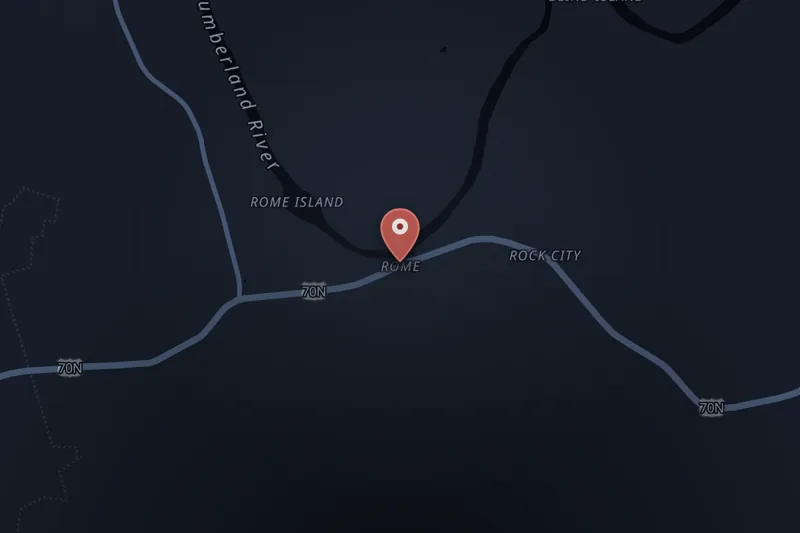
In March 1901, a white man in Rome, Tennessee reportedly lost a wallet containing $120. According to accounts of the incident, the wallet was found by a Black child and given to a Black man named William Crutchfield. Crutchfield was accused of theft and quickly arrested and jailed. A white mob removed him from jail intending to lynch him, but he escaped during the attempt.
Unable to locate William Crutchfield, the mob turned its violence against his sister, Ballie Crutchfield. She was taken out of town, bound with her hands behind her back, shot, and thrown into a creek. Her body was recovered from the creek the following morning.
No one was prosecuted for her killing. The New-York Tribune reported on March 16, 1901, that the coroner's jury returned a finding that she "came to her death at the hands of parties unknown," a standard verdict in lynching cases of the era that effectively closed off prosecution.
The lynching received contemporaneous notice in the Sacred Heart Review, which on March 23, 1901, commented on the frequency of lynchings of Black Americans nationally and specifically described the killing of Ballie Crutchfield, identifying the man who reported the lost pocketbook as Walter Sampson and noting that the pocketbook had actually been found by her brother, who was arrested but escaped the mob before it killed his sister instead.
Ballie Crutchfield's death is among the lynchings documented and memorialized at the National Memorial for Peace and Justice in Montgomery, Alabama, which commemorates victims of racial terror lynching in the United States.
No individuals were identified, charged, or convicted in connection with her killing, and the case remains formally unsolved, consistent with the vast majority of lynchings of Black Americans during this period, which were rarely investigated or prosecuted to conviction.
Key facts
- Victims
- William Crutchfield, Ballie Crutchfield
- Date
- 1901
- Location
- Rome, Tennessee
- Case status
- unsolved
Case timeline
1901-03-15
Ballie Crutchfield is taken from her home area near Rome, Tennessee by a white mob, bound, shot, and thrown into a creek after the mob failed to lynch her brother William Crutchfield.
1901-03-16
The New-York Tribune reports the coroner's jury verdict that she died 'at the hands of parties unknown.'
1901-03-23
The Sacred Heart Review publishes an account and commentary on the lynching.
Best coverage
No coverage has been attached to this file yet.
People
William Crutchfield
VICTIMBallie Crutchfield's brother, accused of theft, jailed, and nearly lynched by the mob before escaping; the mob then killed his sister in his place.
Ballie Crutchfield
VICTIMAfrican American woman lynched by a white mob near Rome, Tennessee on March 15, 1901, after being wrongly targeted in place of her brother.
Roles reflect public records and court outcomes at the time of writing — supporting citations are on file under Sources.
Places
Common questions
- What happened to the victim?
- On March 15, 1901, Ballie Crutchfield, a Black woman, was lynched by a white mob near Rome, Tennessee, after the mob failed to lynch her brother William Crutchfield over a false theft accusation.
- Where did the crime happen?
- Rome, Tennessee.
- What is the current status of the case?
- Status: unsolved.
Related cases
View all cases
Disappearance of Sebastian Rogers
Hendersonville, Tennessee, United States
Nashville Waffle House shooting
Waffle House, Antioch, Nashville, Tennessee
Lynching of Samuel Smith
Frank Hill Road, near Nolensville Pike, Nolensville, Tennessee

Lynching of Ed Johnson
Walnut Street Bridge, Chattanooga, Tennessee

Lynching of Preston Porter Jr.
Near Limon, Colorado, United States

Lynching of George Ward
North Fairbanks Park area, near the Wabash River drawbridge, Terre Haute, Indiana
Sources
- ENCYCLOPEDICLynching of Ballie CrutchfieldWikipedia · 2026-07-07
- PRESSContemporaneous coverage — calendar.eji.orgcalendar.eji.org · 2026-07-07
- PRESSContemporaneous coverage — newspapers.bc.edunewspapers.bc.edu · 2026-07-07
Record history
- First published
- JUL 07, 2026
When a file you follow changes — a new development, a correction, fresh coverage — the Dispatch is how you hear about it.
The Casepin Dispatch
A calm weekly briefing from the archive — one case worth understanding, meaningful updates to files you follow, and the best new coverage. You’ll also get the one-time note when the apps land. No gore, no rumor, no drip.